
About Utah
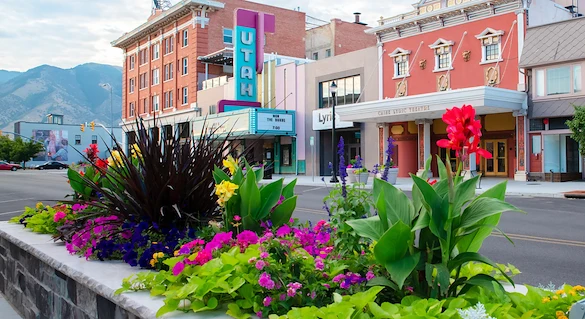
Utah is a state that beautifully balances vibrant city life with breathtaking natural landscapes, making it an ideal place for seniors and families seeking a high quality of life. With its four distinct seasons and generally moderate climate, Utah offers a comfortable environment that encourages seniors to stay active and engaged year-round. From the red rock formations in southern Utah to the ski resorts of the Wasatch Mountains, outdoor enthusiasts have endless opportunities to enjoy hiking, biking, fishing, skiing, and more.
Fast Facts
Senior Living & Care in Utah
| #30 | most populated state in the U.S. |
| $5,000 | average monthly assisted living cost in Utah |
| 170+ | assisted living communities and care providers across Utah |
| 387K+ | adults age 65+ in Utah |
One of the biggest advantages of living in Utah is its affordable cost of living, which is lower than the national average. This affordability means seniors can access a variety of housing options—from independent living and assisted living communities to skilled nursing facilities—without overextending their budgets. Cities such as Salt Lake City, Provo, Ogden, and St. George are known for their senior-friendly communities that combine convenience, comfort, and a strong sense of neighborhood.
Healthcare in Utah is robust and continuously improving, with top-rated hospitals and medical centers concentrated in urban areas. Seniors benefit from access to specialized geriatric care, preventative health programs, and wellness initiatives that focus on managing chronic conditions and promoting healthy aging. Many senior communities collaborate with healthcare providers to offer on-site clinics and therapy services, ensuring residents receive timely, personalized care.
Cultural richness and community spirit add to Utah’s appeal. Seniors can take part in diverse cultural activities such as theater performances, art exhibits, music festivals, and historical tours. Utah is also known for its safe, family-friendly neighborhoods and accessible parks, which encourage social interaction and intergenerational activities, fostering a supportive environment for seniors and their loved ones.
For families navigating senior care options, Utah offers a wide spectrum of choices tailored to individual needs and lifestyles. Whether looking for vibrant independent living with active social calendars or specialized assisted living with memory care services, Utah’s senior care providers focus on compassion, quality, and respect.
With its blend of natural beauty, affordable living, excellent healthcare, and welcoming communities, Utah stands out as a wonderful state for seniors to enjoy independence, connection, and a fulfilling retirement lifestyle.
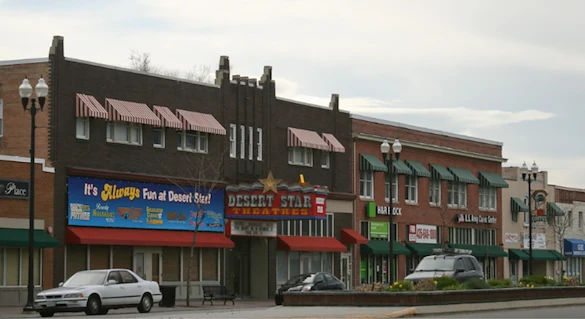
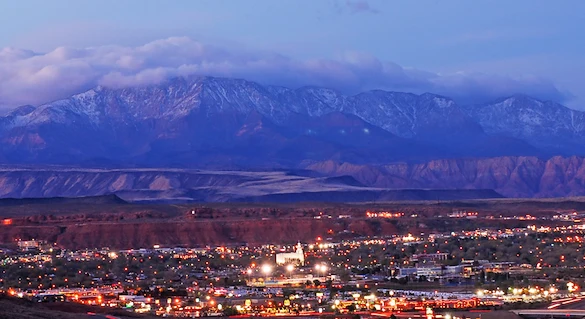
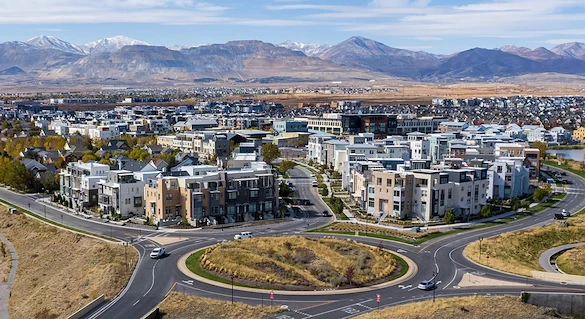
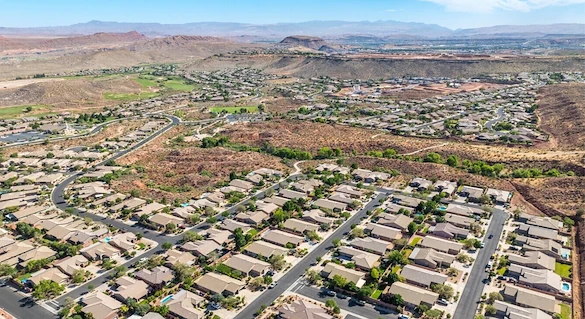
Top Cities for Senior Living and Care in Utah
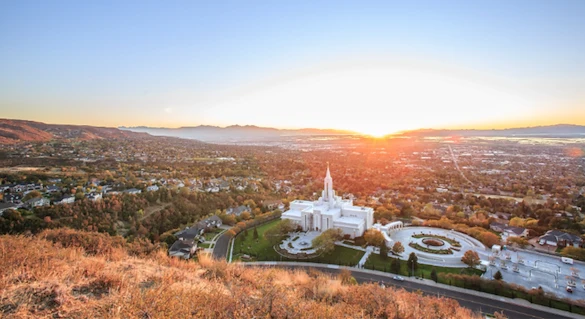
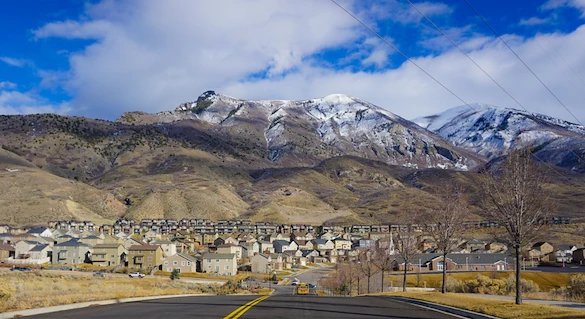
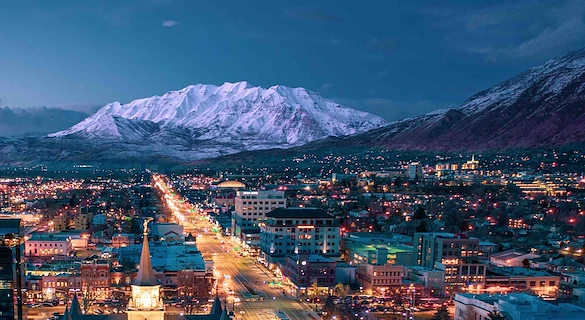

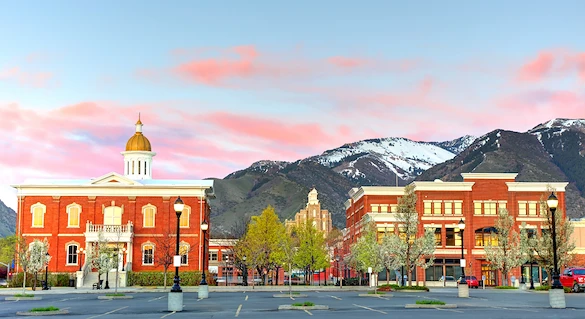


Assisted Living in Utah
Assisted living communities in Utah provide seniors with a supportive and caring environment designed to promote independence while offering help with everyday tasks. These communities are ideal for older adults who need assistance with activities such as bathing, dressing, meal preparation, medication management, and mobility, yet do not require the intensive medical care provided in nursing homes. Assisted living strikes a balance between personalized care and active social engagement, helping residents maintain their dignity, comfort, and overall quality of life.
Utah’s assisted living facilities are licensed and regulated by the Utah Department of Health, which ensures that communities meet strict standards for resident safety, staff training, and quality of care. These regulations require facilities to maintain high levels of cleanliness, emergency preparedness, and customized care plans tailored to each resident’s unique needs. Regular state inspections help families assess the reliability and reputation of assisted living providers. Through public records, families can review licensing status and complaint histories to make well-informed decisions.
Assisted living options in Utah vary widely to accommodate different preferences and budgets. Luxury communities often offer spacious private apartments, resort-style amenities, fine dining options, and robust wellness programs that focus on physical and social well-being. More affordable assisted living facilities provide essential personal care services in welcoming, comfortable settings without compromising quality. Additionally, many Utah communities include dedicated memory care neighborhoods designed specifically for residents with Alzheimer’s disease or other forms of dementia. These specialized units feature secure environments, tailored therapeutic activities, and staff trained in dementia care.
When choosing assisted living in Utah, families should carefully consider factors such as the scope of care services, staff qualifications and ratios, community atmosphere, location convenience, and available amenities. Visiting multiple communities, talking to staff and current residents, and reviewing state inspection reports are critical steps to finding the best match.
Overall, assisted living in Utah offers compassionate, personalized care combined with vibrant social opportunities, making it an excellent choice for seniors seeking support while preserving independence. With a wide range of community types and strong state oversight, families in Utah can confidently find the right assisted living solution to meet their loved one’s individual needs.
Top Assisted Living Communities in Utah
View All Providers-
4.7Premium
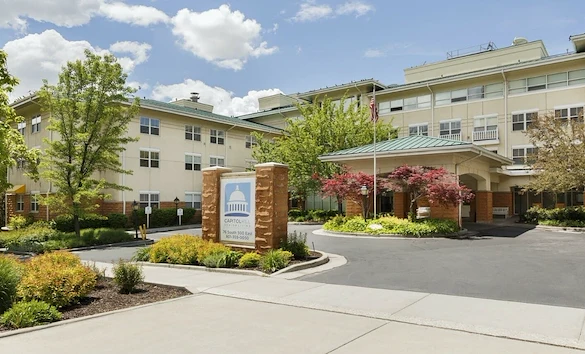
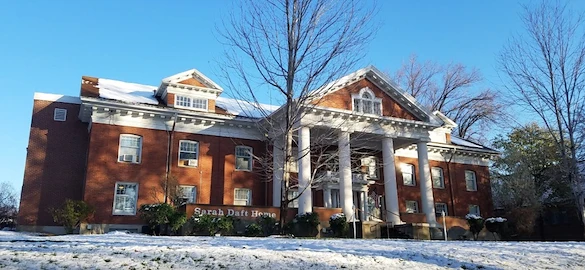
Capitol Hill Senior Living
76 S. 500 E. Salt Lake City, UT 84102
Independent LivingAssisted LivingMemory CareRespite Care -
-
4.6Verified
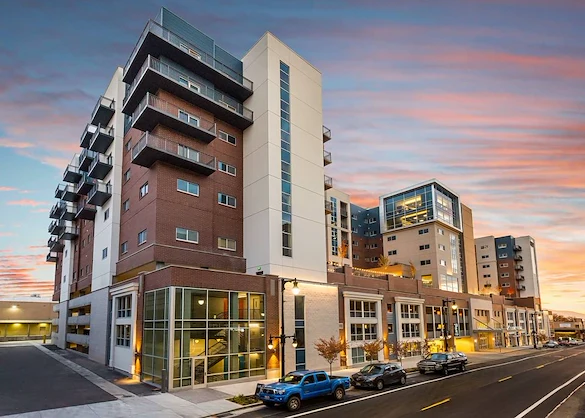
Legacy Village of Sugar House
1212 E Wilmington Ave Salt Lake City, UT 84106
Assisted LivingMemory Care
Cost of Assisted Living in Utah
As of 2024, the average monthly cost of assisted living in Utah is approximately $4,150, which is considerably lower than the national average of around $5,900. This more affordable pricing makes Utah an appealing option for families looking for quality senior living options without compromising care or lifestyle. However, costs vary widely depending on the community’s location, level of care, and amenities offered.
Geographically, the cost of assisted living in Utah varies across cities and regions. For example, seniors in Logan typically pay about $3,863 per month, while costs in the Salt Lake City metropolitan area can average up to $5,300. Other cities like Provo and Ogden tend to fall somewhere in between. These regional differences are influenced by factors such as population density, local housing costs, and the availability of specialized services.
Several important factors influence the overall price of assisted living in Utah. Location is one of the biggest drivers—urban and suburban communities usually have higher costs due to greater demand, higher operating expenses, and more comprehensive amenities. The level of personal care or medical support needed also impacts pricing, with residents requiring more assistance paying higher fees. Additionally, many communities offer enhanced amenities such as gourmet dining options, scheduled transportation, fitness and wellness programs, and 24-hour staff availability, all of which can increase monthly costs.
Fortunately, Utah offers a range of financial assistance programs to help seniors and their families manage these expenses. The state’s Medicaid New Choices Waiver program allows eligible individuals to receive long-term care in assisted living facilities rather than nursing homes, helping reduce out-of-pocket costs. Veterans and their spouses may qualify for the Aid and Attendance benefit, which provides financial support specifically for assisted living expenses. Additionally, Utah’s Aging Waiver program offers homemaker services, caregiver support, and other assistance to eligible seniors.
By understanding these cost factors and exploring available financial aid options, families can make more informed decisions about assisted living in Utah. With competitive prices and multiple support programs, Utah provides seniors with diverse, high-quality assisted living options that balance care, comfort, and affordability.
What to Know About Assisted Living in Utah
The average cost of assisted living in Utah is approximately $4,000 to $5,200 per month, depending on the location, amenities, and level of care provided.
Seniors typically qualify for assisted living if they require help with activities of daily living (ADLs) such as bathing, dressing, medication management, or mobility but do not need full-time skilled nursing care.
No. Medicare does not cover assisted living costs, including housing and custodial care services.
Assisted living is usually less expensive than nursing home care, because nursing homes provide 24-hour medical supervision and skilled nursing services.
Independent Living in Utah
Independent living communities in Utah offer seniors a vibrant, maintenance-free lifestyle designed to support freedom, social engagement, and convenience. These communities are ideal for older adults who want to enjoy their retirement years without the responsibilities of home upkeep like lawn care, repairs, or cooking. Typical housing options include apartments, condos, or cottages designed with comfort and accessibility in mind. Residents enjoy worry-free living with access to amenities and support services if needed, making independent living a popular and practical choice for many Utah seniors.
One of the key benefits of independent living in Utah is the variety of amenities tailored to promote an active and fulfilling lifestyle. Many communities provide on-site dining featuring nutritious, chef-prepared meals, fitness centers to encourage physical health, transportation services for errands and appointments, hobby rooms, and wellness programs. These offerings foster socialization and emotional well-being through organized activities, clubs, and group outings. The supportive environment helps seniors stay connected, reducing isolation and encouraging a strong sense of community.
Utah’s climate and natural beauty add to the appeal of independent living. The state experiences four distinct seasons with generally mild winters, especially in southern cities like St. George and the surrounding areas, making it a sought-after retirement destination. Seniors enjoy easy access to outdoor activities such as hiking, biking, skiing, and exploring nearby national parks like Zion and Bryce Canyon. Larger urban centers such as Salt Lake City and Provo offer top-notch healthcare facilities, cultural events, and a wide range of senior services, enhancing residents’ quality of life.
Affordability is another major advantage. Utah’s cost of living is often lower than the national average, allowing seniors to stretch their retirement savings further. Independent living communities vary widely in price, from budget-conscious options to luxury residences, enabling families to find a community that fits both their financial situation and lifestyle preferences.
Overall, independent living in Utah provides seniors with a balanced combination of independence, social connection, and peace of mind. With its diverse community options, scenic environment, and welcoming atmosphere, Utah is an excellent choice for seniors seeking an active and supportive retirement lifestyle.
Top Independent Living Communities in Utah
View All Providers-
4.7Premium
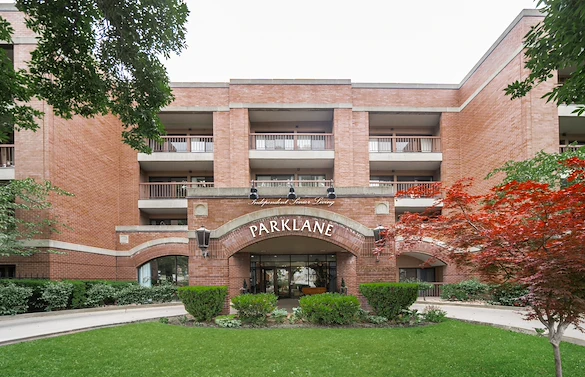
Capitol Hill Senior Living
76 S. 500 E. Salt Lake City, UT 84102
Independent LivingAssisted LivingMemory CareRespite Care -
-
4.5Verified
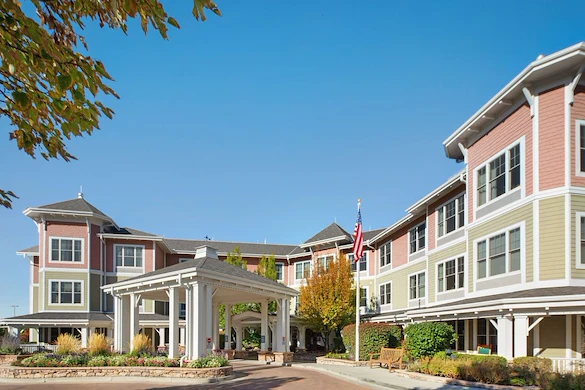
Sunrise of Holladay
4650 S Highland Dr Salt Lake City, UT 84117
Independent LivingAssisted LivingMemory Care
Cost of Independent Living in Utah
The cost of independent living in Utah varies by location, community amenities, and housing type. On average, independent living in Utah ranges from $2,000 to $3,500 per month, depending on the region. This is generally lower than the national average, which hovers around $3,800 per month, making Utah an attractive option for retirees seeking both affordability and quality of life.
In cities like Salt Lake City and Provo, independent living costs tend to fall on the higher end of the range due to demand, access to healthcare, and urban conveniences. In more rural or southern parts of the state—such as St. George or Logan—you may find more affordable rates, often under $2,500 per month. These areas also offer warmer climates and scenic views, making them popular among retirees.
Monthly fees typically cover maintenance-free housing, utilities, scheduled transportation, and access to on-site amenities like fitness centers, activity rooms, and communal dining. Many independent living communities in Utah offer flexible meal plans, housekeeping, and security features, all bundled into the monthly cost. Some even include recreational outings and wellness programs tailored to older adults.
Several factors influence independent living costs in Utah. Location is a primary driver—urban communities with high-end features tend to cost more. Additional pricing factors include apartment size, view, included services, and access to luxury amenities such as spas, pools, or golf courses. Communities offering continuing care or optional assisted living services may also have higher base rates.
While independent living is typically paid out-of-pocket, Utah seniors may find affordability options through veteran benefits, retirement savings plans, or senior housing subsidies if they qualify for low-income programs. The Utah Housing Corporation also supports affordable housing initiatives that may help certain seniors access lower-cost options.
Overall, independent living in Utah offers strong value—especially for active older adults looking for lifestyle and comfort without the responsibilities of homeownership. With flexible price points and a variety of community styles across the state, Utah provides appealing independent living options to fit many budgets and preferences.
What to Know About Independent Living in Utah
Independent living communities in Utah generally cost $2,500 to $3,800 per month, depending on location and amenities.
Residents must usually be 55+ or 62+ and capable of living independently without daily personal care assistance.
Monthly costs typically range between $2,500 and $3,800, depending on services and housing options.
Some disadvantages may include age restrictions, HOA fees, limited medical support services, and fewer housing options for visiting family members.
Home Care in Utah
Non-medical home care in Utah provides essential support for older adults who wish to remain in the comfort of their own homes while receiving help with daily activities. Unlike medical home health care, which involves skilled nursing or therapy, non-medical home care focuses on personal care, companionship, and household assistance—all designed to help seniors maintain their independence and quality of life.
Common services include help with bathing, grooming, dressing, mobility support, and medication reminders. Caregivers can also assist with light housekeeping, meal preparation, transportation to appointments, and companionship, offering social interaction and emotional support. These services are especially valuable for seniors living alone or recovering from illness or surgery, as they reduce isolation and promote safety.
In Utah, non-medical home care agencies must be licensed by the Utah Department of Health and Human Services (DHHS) if they operate under the designation of a "Personal Care Agency." While not all private-duty caregivers are required to be licensed, families are encouraged to work with licensed agencies to ensure background checks, staff training, and quality standards are met. Licensing requirements help protect seniors by promoting accountability and oversight within the industry.
Utah’s unique geographic diversity plays a role in home care availability. In urban areas like Salt Lake City, Ogden, and Provo, seniors can choose from a wide range of providers and services. In rural areas, however, access may be more limited, and availability often depends on staffing levels and transportation logistics. Some communities may face longer wait times for caregiver placement or may need to rely on regional or traveling care teams.
The state’s aging population is growing, driving increased demand for flexible and affordable in-home support. For families exploring non-medical home care in Utah, it’s important to evaluate agency licensing, caregiver experience, scheduling flexibility, and client reviews.
Non-medical home care is a practical and compassionate solution for many Utah seniors—helping them stay safe, connected, and independent in the homes they love.
Top Home Care in Utah
View All Providers-
4.8Verified
Home Helpers Home Care of Salt Lake
349 E 900 S Salt Lake City, UT 84010
Home Care (Non-Medical) -
4.1Verified
SYNERGY HomeCare of Salt Lake City
420 E. South Temple Suite 345 Salt Lake City, UT 84111
Home Care (Non-Medical) -
5.0Verified
Visiting Angels - West Salt Lake
1885 W 2100 S Salt Lake City, UT 84119
Home Care (Non-Medical)


Cost of Home Care Non-Medical in Utah
The average cost of non-medical home care in Utah is approximately $27 to $32 per hour, which closely aligns with the national average of $32 per hour, according to the latest Genworth Cost of Care Survey. For seniors who require moderate assistance—such as 20 to 40 hours per week—that translates to a monthly cost of around $2,160 to $5,120.
Costs can vary depending on where in Utah the care is provided. In Salt Lake City and other urban areas like Provo and Ogden, hourly rates tend to be on the higher end—$30 to $32 per hour—due to increased demand and higher living costs. In rural communities or smaller towns, rates may drop to $25 to $27 per hour, though care availability may be more limited.
Key factors that influence home care pricing include the number of hours needed, the type of assistance required (e.g., personal care vs. companionship), and whether services are provided through a licensed home care agency or an independent caregiver. Agencies typically charge more but provide added reliability, caregiver screening, insurance, and backup support in case of staff absences. Independent caregivers may be less expensive but require families to manage payroll, coverage, and compliance.
While non-medical home care is often paid privately, there are financial assistance options in Utah. The Medicaid Aging Waiver Program offers in-home support services for eligible seniors who meet both medical and financial criteria. Additionally, the Utah Department of Human Services’ Division of Aging and Adult Services partners with local Area Agencies on Aging to provide limited in-home support, respite care, and caregiver assistance based on availability and need.
Veterans and their spouses may also qualify for the Aid and Attendance benefit, a VA program that provides supplemental income for those needing in-home personal care. Long-term care insurance is another helpful resource for families who have planned ahead.
For Utah seniors who wish to age in place with dignity and support, non-medical home care offers personalized, flexible assistance.
What to Know About Non Medical Home Care in Utah
In-home senior care in Utah typically costs $24 to $32 per hour, depending on services and provider.
Non-medical home care provides help with daily activities such as meal preparation and companionship, while medical home care includes services like skilled nursing, therapy, and wound care ordered by a physician.
Yes. Utah offers home and community-based services through Medicaid and local aging programs that help seniors remain safely in their homes.
Caregivers typically must complete training, background checks, and certification requirements depending on the level of care provided and employer policies.
Long-Term Care/Skilled Nursing in Utah
Skilled nursing facilities in Utah provide 24-hour long-term care for seniors and individuals with complex medical needs who require ongoing supervision, clinical support, and rehabilitation. These licensed facilities—commonly referred to as nursing homes—offer a comprehensive range of services, including medication management, wound care, intravenous therapy, and assistance with daily living activities such as bathing, mobility, and eating.
A key feature of skilled nursing care is access to licensed nurses and therapists around the clock. In addition to long-term custodial care, many Utah nursing homes also provide short-term rehabilitation services after a hospital stay, surgery, or injury. Physical, occupational, and speech therapies are offered on-site to help residents regain strength and function. Many skilled nursing facilities in Utah also offer specialized memory care for residents living with Alzheimer’s disease or other forms of dementia, featuring secure environments and tailored cognitive support.
Skilled nursing facilities in Utah are regulated by the Utah Department of Health and Human Services and certified by the Centers for Medicare & Medicaid Services (CMS). These regulations ensure that facilities meet state and federal standards related to staff qualifications, resident safety, emergency preparedness, and infection control. Facilities undergo regular inspections and are assigned CMS star ratings that evaluate performance across health inspections, staffing levels, and quality measures. Families can access these ratings through Medicare.gov's Care Compare tool.
When searching for skilled nursing care in Utah, families should consider factors such as staffing ratios, availability of specialty services, proximity to hospitals, and resident reviews. Touring facilities, speaking with care teams, and reviewing recent state inspection reports can offer valuable insights into care quality and facility culture.
With its strong regulatory oversight and a wide range of care options—from post-acute rehab to long-term chronic care—Utah’s skilled nursing facilities offer peace of mind for families seeking the highest level of care for their loved ones. Whether in Salt Lake City, Provo, or more rural parts of the state, families can find skilled nursing homes designed to meet a variety of medical and personal needs with compassion and professionalism.
Top Long-Term Care/Skilled Nursing in Utah
View All Providers-
2.0Verified
Maple Ridge Rehabilitation And Nursing
455 South 900 East Salt Lake City, UT 84102
Long-Term Care / Skilled Nursing -
2.0Verified
Pine Creek Rehabilitation And Nursing
876 West 700 South Salt Lake City, UT 84104
Long-Term Care / Skilled NursingRespite Care -
3.0Verified
Midtown Manor
125 South 900 West Salt Lake City, UT 84104
Long-Term Care / Skilled NursingSkilled Rehabilitation
Cost of Nursing Homes in Utah
The cost of long-term skilled nursing care in Utah averages $8,000 to $9,500 per month, depending on the type of room and location. According to the latest Genworth Cost of Care Survey, the median cost for a semi-private room in Utah is approximately $8,365 per month, while a private room averages around $9,034. These rates are slightly below the national averages, which are $8,669 for semi-private and $9,733 for private accommodations.
Regional differences do exist across the state. Facilities in Salt Lake City and the Wasatch Front tend to fall on the higher end of the pricing scale due to demand and proximity to major healthcare centers. In southern Utah cities like St. George or Cedar City, monthly costs may be moderately lower, especially in more rural areas where land and labor costs are less intensive.
Several factors influence the cost of skilled nursing care. Facilities offering high staff-to-resident ratios, specialty care programs such as memory care or post-acute rehabilitation, and advanced medical equipment may charge more. The facility’s reputation, staff credentials, accreditation status, and available amenities (like private dining, therapy gyms, or religious services) also affect pricing. Private rooms naturally cost more than shared spaces but offer increased privacy and comfort.
Fortunately, Utah offers several financial assistance programs for families navigating the high cost of care. Medicare may cover a limited short-term skilled nursing stay (up to 100 days) after a qualifying hospital admission, but it does not cover long-term custodial care. For longer stays, Utah Medicaid’s Long-Term Care program can help eligible seniors pay for skilled nursing facility services, including room, board, and medical support. Applicants must meet both income and asset limits.
Veterans and their spouses may also qualify for Aid and Attendance benefits, and some facilities offer contracts with the VA Salt Lake City Health Care System. Those with long-term care insurance may be reimbursed for all or part of their skilled nursing costs, depending on their policy.
To make an informed decision, families should compare facility ratings, inspection reports, staffing levels, and cost transparency. Senior Care Finder simplifies this process, connecting you with licensed, high-quality nursing homes across Utah—all in one place.
What to Know About Nursing Homes in Utah
Nursing home care in Utah typically costs $7,500 to $9,000 per month, depending on the facility and room type.
Medicare may cover short-term skilled nursing care after a qualifying hospital stay, but it does not pay for long-term nursing home care.
Senior living communities such as assisted living provide housing and personal care support, while nursing homes provide 24-hour medical supervision and skilled nursing services.
Medicaid typically covers nursing home care for eligible individuals with limited income and assets.
Finding the Right Senior Care in Utah
Utah offers seniors a wide range of long-term care options including independent living communities, assisted living facilities, home care services, memory care programs, and skilled nursing homes. With strong healthcare systems, growing retirement communities, and financial assistance programs through Utah Medicaid and local aging services, many families can find senior care solutions that meet both their care needs and budget. Cities such as St. George, Provo, and Logan provide access to healthcare providers and established senior living communities across the state.
By understanding the cost of senior care, eligibility for financial assistance programs, and the differences between independent living, assisted living, and nursing home care, families can make informed decisions about long-term care planning. Whether aging in place with home care services or transitioning into a supportive senior living community, Utah offers safe and welcoming environments designed to help older adults maintain independence, dignity, and quality of life.
Frequently Asked Questions About Senior Living in Utah
Senior living costs in Utah typically range from $2,500 to $5,500 per month, depending on the level of care and type of community.
Aging in place with part-time home care or qualifying for income-based senior housing is often the most affordable option.
Popular retirement cities in Utah include St. George, Provo, Logan, and Ogden, which offer access to healthcare, outdoor recreation, and senior services.
Potential downsides include monthly fees, restrictions on residents under a certain age, and fewer healthcare services compared with assisted living communities.
Frequently Asked Questions About Senior Care in Utah
Senior living costs generally range from $2,500 to $5,500 per month, depending on housing, amenities, and care services.
Utah seniors may receive benefits such as Medicaid long-term care services, transportation assistance, nutrition programs, caregiver support, and property tax relief programs.
Yes. Through certain Medicaid consumer-directed programs, eligible seniors may select family members as paid caregivers.
In-home senior care in Utah typically costs $24 to $32 per hour, depending on the level of care required.