
About Texas
Texas is a state that warmly welcomes seniors and their families with its diverse landscapes, vibrant culture, and exceptional quality of life. Known for its wide-open spaces, mild winters, and abundant sunshine, Texas offers a climate that many older adults find comfortable and conducive to an active lifestyle. From bustling cities to peaceful small towns, the Lone Star State provides a variety of living environments to suit every senior’s preferences and needs.
Fast Facts
Senior Living & Care in Texas
One of Texas’s greatest appeals is its affordability. Compared to the national average, the cost of living in Texas is generally lower, making it easier for seniors on fixed incomes to enjoy a comfortable retirement. Housing options range from independent living communities and assisted living facilities to skilled nursing homes and in-home care services, all designed to support seniors’ independence and well-being. Many senior living communities in Texas emphasize maintenance-free living, social engagement, and access to health and wellness programs.
Healthcare access is another strong point for seniors in Texas. The state is home to numerous nationally recognized hospitals, specialized clinics, and rehabilitation centers, ensuring seniors receive high-quality medical care close to home. Cities like Houston, Dallas, San Antonio, and Austin boast advanced medical facilities and a broad network of senior care providers, including memory care and long-term care options.
Texas also offers abundant opportunities for outdoor activities and cultural enrichment. Seniors can explore scenic state parks, golf courses, and walking trails or enjoy local festivals, museums, and performing arts venues. The state’s rich history and diverse communities provide a welcoming environment where older adults can remain socially active and connected.
Families searching for senior care in Texas will find a wide selection of resources, including non-medical home care providers, assisted living facilities, and skilled nursing homes. Whether seeking affordable senior care in Houston or luxury memory care in Dallas, Texas, offers something for everyone.
With its favorable climate, reasonable cost of living, excellent healthcare, and vibrant communities, Texas stands out as a premier destination for seniors looking to enjoy a fulfilling, healthy, and engaged retirement.
Top Cities for Senior Living and Care in Texas








Assisted Living in Texas
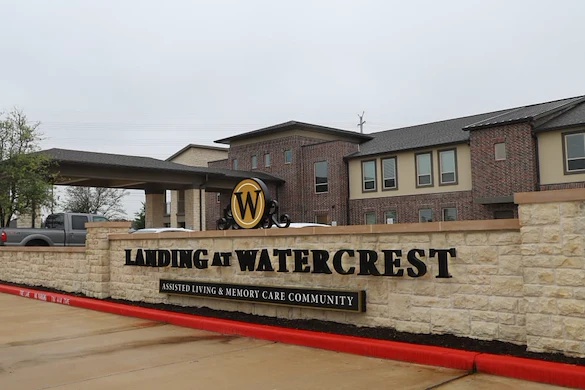
Assisted living in Texas provides supportive care for older adults who need help with daily activities but don’t require 24-hour medical attention. These communities offer a balance between independence and support, creating a safe, social environment tailored to each resident’s needs.
Residents in Texas assisted living facilities typically receive help with personal care tasks like bathing, dressing, grooming, mobility, and medication management. Meals, housekeeping, and laundry services are often included, along with transportation to appointments and events. Many communities also offer life enrichment programs—from group exercise and art classes to spiritual services and family events—promoting both mental and emotional well-being.
In Texas, assisted living facilities are licensed and regulated by the Texas Health and Human Services Commission (HHSC). There are two license types: Type A for residents who can evacuate independently in an emergency, and Type B for those needing extra support or supervision. The state enforces regular inspections and safety standards, and facilities must create individualized service plans based on each resident’s physical and cognitive needs.
What sets Texas apart is its diversity—not just culturally, but in the range of assisted living options available. Families can choose from high-end luxury communities with gourmet dining, spas, and concierge services; budget-friendly residences focused on essential care and comfort; or smaller, home-like settings that feel more personal and familiar. Many assisted living communities in Texas also offer specialized memory care wings for residents with Alzheimer’s or dementia.
Evaluating the best fit involves more than just touring a facility. Families should ask about staff-to-resident ratios, staff training, emergency protocols, and how care plans are updated. Reading state inspection reports, reviews from other families, and understanding the community’s culture can provide deeper insights. Cost transparency and the ability to personalize services are also key factors.
Ultimately, assisted living in Texas is designed to enhance quality of life—providing peace of mind to families and helping older adults thrive in a setting that supports dignity, safety, and connection.
Top Assisted Living Communities in Texas
View All Providers-
4.6Premium
Landing at Shadow Creek Ranch
2907 Broadway Bend Dr Pearland, TX 77584
Assisted LivingMemory CareRespite Care -
4.7Premium
The Auberge at Sugar Land
1221 7th Street Sugar Land, TX 77478
Assisted LivingMemory CareRespite Care -
4.6Verified
The Village of River Oaks
1015 S Shepherd Dr Houston, TX 77019
Independent LivingAssisted LivingMemory Care

Cost of Assisted Living in Texas
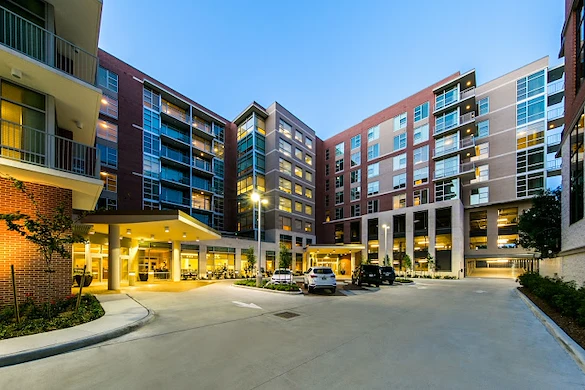
Several factors influence pricing. Facilities that offer luxury accommodations—such as spacious apartments, chef-prepared meals, spas, and concierge services—typically come at a premium. Communities with specialized memory care, 24-hour nursing, or a higher staff-to-resident ratio also tend to charge more due to the increased level of care. In contrast, smaller, family-style residences often offer more budget-friendly options with a personal touch.
Financial assistance is available for eligible residents. While traditional Medicaid does not cover assisted living in Texas, the STAR+PLUS Medicaid waiver can help pay for personal care services in certain licensed facilities. This waiver is needs-based and may have waiting lists, so early application is encouraged.
Veterans and their spouses may qualify for Aid and Attendance, a VA benefit that provides additional monthly income to help cover assisted living expenses. Texas also supports aging residents through programs like Community Attendant Services (CAS) and Texas Health and Human Services’ Area Agencies on Aging, which can provide guidance and resources for those navigating the cost of care.
Because every family’s situation is unique, it’s important to ask each community for a detailed pricing breakdown, including any à la carte services that may not be included in base rates. At Senior Care Finder, you can compare options transparently and get connected to trusted local communities—making it easier to find quality care within your budget.
What to Know About Assisted Living in Texas
Assisted living in Texas typically costs several thousand dollars per month, but prices vary based on the city, community type, and the level of care needed. Larger metro areas like Dallas–Fort Worth, Austin, and Houston may have higher monthly rates, while smaller towns and rural areas often offer more affordable options.
Costs can also increase depending on services such as medication management, mobility support, help with bathing or dressing, and memory care add-ons. Comparing communities in your preferred area is the best way to get an accurate estimate.
Seniors in Texas may qualify for assisted living if they need help with daily activities but do not require 24/7 skilled nursing care. Assisted living is often a good fit for older adults who need support with:
-
Bathing, dressing, or grooming
-
Medication reminders or medication management
-
Mobility support and fall prevention
-
Meals, housekeeping, and laundry
-
Transportation and daily routines
Most assisted living communities complete an assessment to ensure the resident’s care needs can be safely supported.
Medicare typically does not cover assisted living in Texas because assisted living is considered a residential and personal care service—not medical care. However, Medicare may still help cover healthcare services a resident receives outside of the community, such as doctor visits, hospital care, prescriptions, and outpatient therapy (depending on the plan).
Families often explore other ways to pay for assisted living, such as private pay, long-term care insurance, veteran benefits (if eligible), or Medicaid-related programs.
In most cases, assisted living is cheaper than a nursing home because nursing homes provide 24/7 medical care and skilled nursing support. Assisted living focuses more on daily living assistance, meals, and a supportive community environment.
A nursing home may be necessary if a senior needs ongoing medical supervision or complex care, but if their needs are primarily help with daily activities, assisted living is often the more affordable (and appropriate) option.
Independent Living in Texas
Independent living in Texas is a popular choice for older adults who are largely self-sufficient but want to enjoy a simplified, socially connected lifestyle. These communities offer private residences—often apartments, cottages, or villas—designed for ease, comfort, and accessibility, without the responsibilities of homeownership.
Unlike assisted living, independent living doesn’t include medical or personal care services. Instead, it focuses on convenience, community, and quality of life. Most communities provide maintenance-free living, housekeeping, transportation, and chef-prepared meals. Seniors can enjoy a wide array of amenities like swimming pools, fitness centers, walking trails, on-site salons, and activity calendars packed with classes, games, outings, and clubs. It’s a lifestyle that combines freedom with peace of mind.
Texas is especially well-suited for independent living thanks to its retiree-friendly environment. There’s no state income tax, which helps stretch retirement savings, and the overall cost of living is lower than many coastal or northeastern states. The climate—generally warm with mild winters—is ideal for year-round outdoor activities. Many seniors find the sunny weather improves mobility and reduces the risk of isolation during colder seasons.
Texas also boasts several cities consistently ranked among the best places to retire. Georgetown, just north of Austin, offers a charming historic downtown and strong sense of community. San Antonio features rich culture, affordability, and walkable neighborhoods. In The Woodlands or Frisco, seniors enjoy upscale amenities and access to healthcare hubs. For those drawn to coastal living, Corpus Christi and Galveston offer scenic views and a laid-back lifestyle.
Independent living is ideal for active adults who no longer want to manage a home but still value independence, privacy, and connection. Whether downsizing after retirement or seeking a fresh start in a vibrant, like-minded community, Texas offers a wide range of options—from budget-friendly to resort-style living.
Top Independent Living Communities in Texas
View All Providers-
4.1Premium
Hickory Manor
1626 Old Hickory Trail DeSoto, TX 75115
Active Adult LivingIndependent LivingLow Income / Affordable -
4.4Premium
StoryPoint Carrollton at Josey Ranch
2105 N Josey Ln Carrollton, TX 75006
Active Adult LivingIndependent Living -
3.4Premium
The Cesera
202 North Belt Line Road Garland, TX 75040
Active Adult LivingIndependent LivingLow Income / Affordable -
4.5Premium
Westchester Commons
440 East Polo Road Grand Prairie, TX 75052
Active Adult LivingIndependent LivingLow Income / Affordable -
4.9Premium
Watermere at Firewheel
6868 N President George Bush Hwy Garland, TX 75044
Independent Living -
4.6Premium
Atlas Point at Prestonwood
3033 E Hebron Pkwy Carrollton, TX 75010
Active Adult LivingIndependent Living -
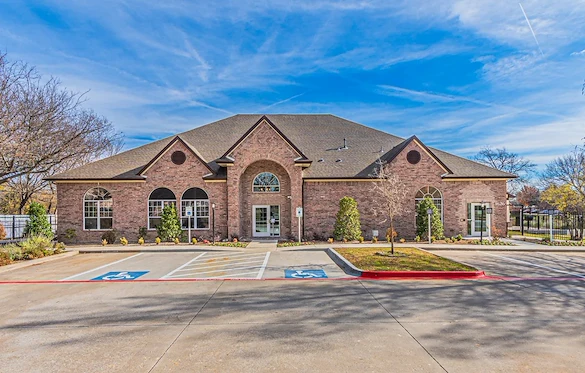
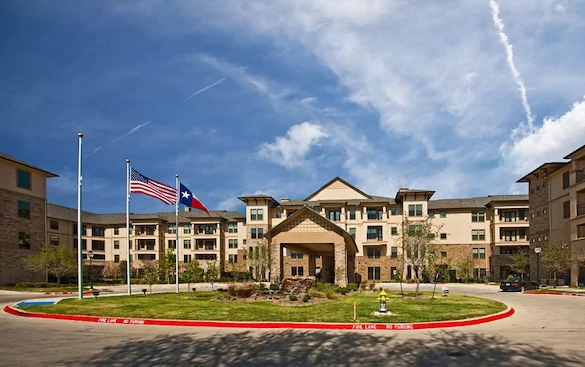
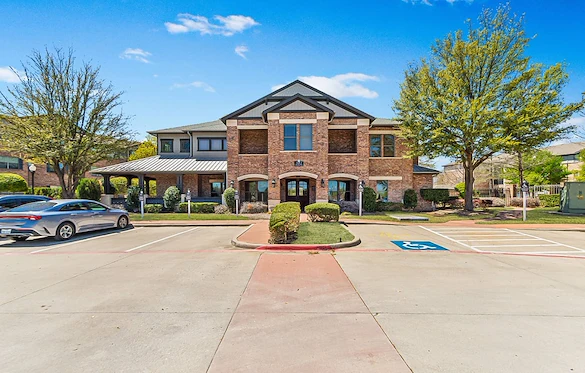
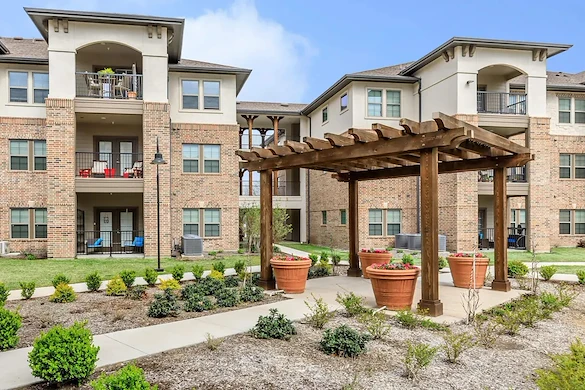
Cost of Independent Living in Texas
Independent living communities in Texas typically include housing, utilities, maintenance, housekeeping, social activities, and access to shared amenities like fitness centers, clubhouses, and transportation. Some also include meal plans or dining options, though these may be à la carte or offered in tiered pricing packages. Luxury communities often provide concierge services, pools, wellness programs, and travel clubs, which can raise the monthly cost.
Several factors influence pricing: location, level of luxury, square footage, and whether services like dining or housekeeping are included. Proximity to hospitals, cultural centers, and shopping districts can also increase value—and cost.
While independent living is usually privately paid, there are a few ways seniors may reduce or manage costs. Those who qualify for Social Security retirement benefits or veterans' pensions may be able to allocate funds toward housing. Some seniors choose independent living as part of a Continuing Care Retirement Community (CCRC) model, which allows for long-term planning and predictable costs. Additionally, local Area Agencies on Aging and nonprofit organizations in Texas may offer guidance or resources for housing support.
With so many options across Texas, independent living can be both a lifestyle upgrade and a smart financial move.
What to Know About Independent Living in Texas
The average cost of independent living in Texas varies depending on the city, apartment size, and amenities included. Independent living is often more affordable than assisted living because it typically does not include hands-on personal care services.
Monthly rates may be higher in larger metro areas like Dallas–Fort Worth, Austin, and Houston, while smaller communities and suburban areas may offer more budget-friendly options. Comparing what’s included—like meals, utilities, transportation, and activities—can help you find the best value.
Independent living is generally best for seniors who can live safely on their own without daily assistance for personal care. Most residents choose independent living because they want:
-
A maintenance-free lifestyle
-
A senior-friendly environment with fewer responsibilities
-
Built-in social connection and community activities
-
Optional conveniences like dining, transportation, and wellness programs
Qualifications can vary by community, but independent living is usually a good fit for seniors who do not need regular help with bathing, dressing, or medication management.
Independent living in Texas typically costs a few thousand dollars per month, though prices can vary widely depending on location, unit size, and what’s included. Some communities offer all-inclusive pricing, while others charge separately for services like meals, transportation, or additional support.
To get a more accurate cost estimate, it’s helpful to compare communities in your preferred city and confirm what the monthly price includes.
One common disadvantage of independent living is that it usually does not include personal care services, so it may not be the right fit for seniors who need daily help with bathing, dressing, or mobility support. Another potential downside is cost—while independent living can be more affordable than assisted living, it may still be more expensive than staying at home, depending on someone’s situation.
For many seniors, the benefits—like fewer responsibilities, added safety, and built-in community—outweigh the downsides, but it’s important to plan for future care needs.
Home Care in Texas
Non-medical home care in Texas provides essential support to older adults who want to remain in their own homes but need help with daily activities. Unlike home health care, which involves medical treatment or skilled nursing, non-medical home care focuses on personal care, safety, and companionship—helping seniors maintain independence while easing the burden on family caregivers.
Services typically include assistance with bathing, dressing, grooming, toileting, mobility, and medication reminders. Caregivers may also help with meal preparation, light housekeeping, laundry, errands, and transportation to appointments or social outings. Just as important, they offer companionship—engaging seniors in conversation, hobbies, or games to reduce loneliness and isolation.
In Texas, home care agencies must be licensed by the Texas Health and Human Services Commission (HHSC) under the category of Licensed Home and Community Support Services Agencies (HCSSAs). To receive and maintain this license, agencies must meet state requirements for background checks, staff training, client rights, and ongoing compliance. While caregivers are not required to be medically certified, agencies must ensure they are properly trained and supervised for the tasks they perform.
Texas is unique in that its size and rural-urban spread can impact home care availability. In metropolitan areas like Houston, Dallas, or Austin, seniors have access to a wide range of home care providers, often with flexible schedules and specialty services. In rural parts of the state, options may be more limited, and travel time for caregivers can affect pricing or availability. Still, Texas has made efforts to expand access through Medicaid waiver programs, such as STAR+PLUS, which can help eligible seniors cover the cost of non-medical home care.
Home care in Texas is often paid privately, but families may also explore resources like veterans’ benefits, long-term care insurance, or support from local Area Agencies on Aging. For many, non-medical home care offers the best of both worlds: personalized assistance in a familiar setting, with flexibility and dignity at the forefront.
Top Home Care in Texas
View All Providers-
-
4.6Verified
Team Select Home Care - Dallas
3102 Maple Avenue Dallas, TX 75201
Home Care (Non-Medical) -
4.8Verified
Park Cities Home Care Assistance
4305 Maple Ave Sutie C Dallas, TX 75219
Home Care (Non-Medical)



Cost of Home Care Non-Medical in Texas
Several factors influence the total cost of home care. The number of hours needed per week plays the biggest role. For example, seniors needing only part-time companionship or help with meals may spend far less than those requiring full-day personal care. Agency caregivers—who are typically bonded, insured, and supervised—tend to cost more than hiring an independent or private caregiver, but the added oversight and reliability can offer peace of mind.
While non-medical home care is usually privately paid, Texas offers several financial assistance options. The STAR+PLUS Medicaid waiver may cover personal care services for seniors who meet income and medical eligibility criteria. Veterans may qualify for VA Aid and Attendance benefits to offset the cost of in-home support. Some families also use long-term care insurance, which often covers non-medical home care if a policy was purchased in advance.
Local Area Agencies on Aging across Texas can help connect families to free or low-cost services, respite care, and caregiver support programs. For seniors who want to stay at home but need extra help, non-medical home care offers flexible, personalized care that promotes independence.
What to Know About Non Medical Home Care in Texas
The cost of an in-home caregiver in Texas depends on the type of care needed, the number of hours per week, and your location. Many families pay an hourly rate, and prices can increase for overnight care, weekends, or more specialized support.
Non-medical caregiving (help with daily tasks) is usually less expensive than skilled medical home health services. Comparing providers in your city is the best way to get a realistic estimate based on your schedule and care needs.
The main difference between medical and non-medical home care is the type of services provided.
Non-medical home care typically helps with daily living support, such as:
-
Companionship
-
Meal prep and light housekeeping
-
Transportation and errands
-
Help with bathing, dressing, and mobility (depending on needs)
Medical home care (home health) involves clinical services provided by licensed professionals, such as:
-
Skilled nursing care
-
Physical or occupational therapy
-
Wound care or injections
-
Medical monitoring during recovery
If a senior needs hands-on medical treatment, medical home care may be necessary. If they need help with day-to-day routines, non-medical home care is often the best fit.
A non-medical home care business can be profitable in Texas, but profitability depends on factors like staffing, client volume, service area, pricing, and operating costs. Many home care agencies succeed by building consistent referrals, maintaining strong caregiver retention, and offering reliable scheduling and service quality.
Since the home care industry is competitive, having clear processes for hiring, training, and marketing is key to long-term growth.
In Texas, some family caregivers may be able to get paid for providing care through certain assistance programs, depending on eligibility. Qualification often depends on the care recipient’s needs, income requirements, and program availability.
If you’re caring for a loved one at home, it may be worth exploring local resources and support options to see whether financial assistance is available for in-home caregiving services.
Long-Term Care/Skilled Nursing in Texas
Long-term care in skilled nursing facilities in Texas provides seniors and adults with chronic illnesses, disabilities, or post-acute recovery needs with 24-hour medical and personal support. These facilities offer around-the-clock nursing care, rehabilitation services, and specialized programs designed to promote residents’ health, safety, and quality of life when ongoing medical attention is essential.
Texas skilled nursing homes deliver a broad range of medical services including medication management, wound care, intravenous (IV) therapy, catheter care, respiratory therapy, and management of chronic conditions such as diabetes and heart disease. Many also offer physical, occupational, and speech therapy to help residents regain or maintain their strength and functional abilities, especially after surgery, stroke, or injury. Specialized care units, including secure memory care neighborhoods, provide tailored support for residents with Alzheimer’s disease and other forms of dementia, focusing on safety, cognitive stimulation, and emotional well-being.
The Texas Health and Human Services Commission (HHSC) regulates skilled nursing facilities, ensuring they meet state licensing requirements, maintain proper staffing levels, and comply with safety and infection control protocols. Facilities must also follow federal regulations under Medicare and Medicaid, undergo regular state inspections, and publicly report quality measures like health deficiencies, staffing ratios, and resident outcomes. These oversight measures help families gauge the reliability and quality of nursing homes.
When evaluating skilled nursing options in Texas, families should look at staff credentials, resident-to-staff ratios, available medical and therapy services, facility cleanliness, safety features, and resident satisfaction. Visiting multiple facilities, meeting staff, observing daily routines, and reviewing state inspection reports and online ratings can provide critical insight.
Many skilled nursing facilities in Texas are conveniently located near major metropolitan areas such as Houston, Dallas, Austin, and San Antonio, allowing easy access to advanced healthcare and family involvement. Making an informed choice about long-term skilled nursing care can ensure your loved one receives compassionate, professional support tailored to their medical and personal needs.
Top Long-Term Care/Skilled Nursing in Texas
View All Providers-
3.0Verified
Simpson Place
3922 Simpson Street Dallas, TX 75246
Long-Term Care / Skilled NursingSkilled Rehabilitation -
2.0Verified
Avir At Dallas
4200 Live Oak St Dallas, TX 75204
Long-Term Care / Skilled NursingSkilled Rehabilitation -
3.0Verified
Fair Park Health & Rehabilitation
2815 Martin Luther King Jr Blvd Dallas, TX 75215
Long-Term Care / Skilled NursingSkilled Rehabilitation

Cost of Nursing Homes in Texas
Several factors influence the price of skilled nursing care. Facilities that offer specialized services such as memory care or post-surgical rehabilitation often charge more. Likewise, nursing homes with strong reputations, modern amenities, and higher staff-to-resident ratios typically have higher fees. Location also plays a role—urban areas with higher living costs generally have more expensive care options.
Fortunately, financial assistance options exist to help families manage these expenses. Medicare covers up to 100 days of skilled nursing care following a qualifying hospital stay, with full coverage for the first 20 days and a daily co-pay afterward. Medicaid offers long-term care coverage for eligible low-income individuals, including nursing home care in Texas. Additionally, state programs like the Money Follows the Person initiative support individuals transitioning from institutional care back to community-based settings.
Understanding the costs and available assistance is crucial when planning skilled nursing care in Texas. Families are encouraged to consult with financial planners or elder law experts to explore all resources and make informed decisions that ensure their loved ones receive quality care without undue financial strain.
What to Know About Nursing Homes in Texas
The average monthly cost of a nursing home in Texas can vary widely depending on location, room type (semi-private vs. private), and medical needs. In most cases, nursing home care costs several thousand dollars per month and is typically more expensive than assisted living because it includes 24/7 skilled nursing support and medical supervision.
Costs may be higher in major metro areas and for residents who need more complex care.
Medicare may pay for a nursing home stay in Texas in limited situations, usually when someone needs short-term skilled nursing care after a qualifying hospital stay. This can include rehabilitation services such as physical therapy, occupational therapy, or skilled nursing during recovery.
Medicare typically does not cover long-term nursing home care for ongoing custodial needs (like help with bathing, dressing, or long-term supervision).
If someone has limited income and assets, they may be able to get financial help paying for nursing home care through Texas Medicaid, as long as they meet eligibility requirements. Medicaid is one of the most common ways long-term nursing home care is funded when private pay is not an option.
Because Medicaid rules and qualification requirements can be complex, many families benefit from support understanding the process and planning next steps.
A person may qualify for a nursing home in Texas when they need a higher level of care than can be safely provided at home or in assisted living. Nursing homes are typically recommended for seniors who require 24/7 medical monitoring, skilled nursing care, or ongoing rehabilitation.
A nursing home may be appropriate for individuals who need:
-
Significant help with daily activities and mobility
-
Frequent medical oversight or complex care needs
-
Recovery support after illness, injury, or hospitalization
-
Ongoing supervision for safety and health stability
Most facilities complete an assessment to determine the right level of care based on medical and functional needs.
Finding the Right Senior Care in Texas
Navigating senior living and care options in Texas can feel overwhelming, but having the right information makes all the difference. Whether you're researching assisted living, exploring independent living communities, comparing home care services, or planning for long-term skilled nursing, Texas offers a wide range of choices designed to support comfort, safety, and quality of life.
From affordable care options to luxury communities, rural towns to major metro hubs, families can find solutions that meet both personal needs and financial goals. With strong healthcare systems, state oversight, and numerous financial assistance programs, Texas continues to be a trusted place for seniors seeking support and connection.
As you begin the search, remember that every senior’s needs are unique—use this guide as a starting point, and explore local providers, community reviews, and available resources to make the most informed decision possible.
Below are answers to the most common questions families ask when researching senior living and senior care in Texas.
Frequently Asked Questions About Senior Living in Texas
The average cost of senior living in Texas depends on the type of care and support a senior needs. Independent living is often the most affordable senior living option, while assisted living, memory care, and nursing homes typically cost more due to added services and staffing.
Pricing also varies by city—larger metro areas may be more expensive, while smaller towns and rural regions may offer lower monthly rates.
The best place in Texas to live for seniors depends on priorities like affordability, access to healthcare, weather, lifestyle, and proximity to family. Some seniors prefer large cities for major medical systems and amenities, while others choose suburbs or smaller towns for a slower pace and lower cost of living.
The best location is often the one that balances comfort, safety, and support options based on current needs and long-term planning.
To qualify for senior housing in Texas, most communities require residents to meet an age requirement—commonly 55+ or 62+, depending on the community. Some senior housing options may also include income-based qualifications, especially for affordable or subsidized housing programs.
Because “senior housing” can refer to multiple types of living arrangements, it’s helpful to confirm whether the option is independent living, assisted living, or income-qualified senior apartments.
The “80/20 rule” for 55+ communities typically refers to age-qualified housing guidelines where a community can remain designated as a senior community if at least 80% of occupied homes have at least one resident age 55 or older.
Some communities allow a limited portion of residents under 55, but the exact rules can vary, so it’s always best to confirm the age policies directly with the community you’re considering.
Frequently Asked Questions About Senior Care in Texas
Texas offers a variety of services and support options for seniors and caregivers, including both public programs and private care. Depending on needs and eligibility, assistance may include:
-
In-home care services (companionship, meal prep, personal care help)
-
Assisted living and memory care communities
-
Skilled nursing facilities for higher medical needs
-
Adult day programs for daytime supervision and support
-
Transportation services and meal support programs
-
Caregiver support and community-based resources
The best assistance options depend on a senior’s health needs, budget, and preferred living situation.
Medicare may cover limited in-home health services in Texas when medically necessary, such as skilled nursing care or therapy services ordered by a healthcare provider. However, Medicare typically does not cover long-term non-medical caregiving services—such as help with bathing, dressing, cooking, or housekeeping.
If a senior needs ongoing caregiver support, families often explore private pay, long-term care insurance, Medicaid-related programs, or local assistance resources.
If an elderly person has no one to care for them, there are still options for support. Many seniors can receive help through a combination of community resources, care providers, and senior living options depending on their needs. Some may start with home care support, while others may need assisted living or a nursing home for safety and ongoing care.
For families navigating this situation, it’s helpful to explore care options early—especially if the senior is living alone, at risk of falls, or struggling with daily tasks.
Senior living costs in Texas vary based on the level of care, location, and services included. Independent living generally costs less than assisted living, while nursing homes are typically the most expensive option due to 24/7 medical care.
To find the most accurate pricing, it helps to compare communities in your preferred region and confirm what’s included in the monthly cost, like meals, transportation, and care support.