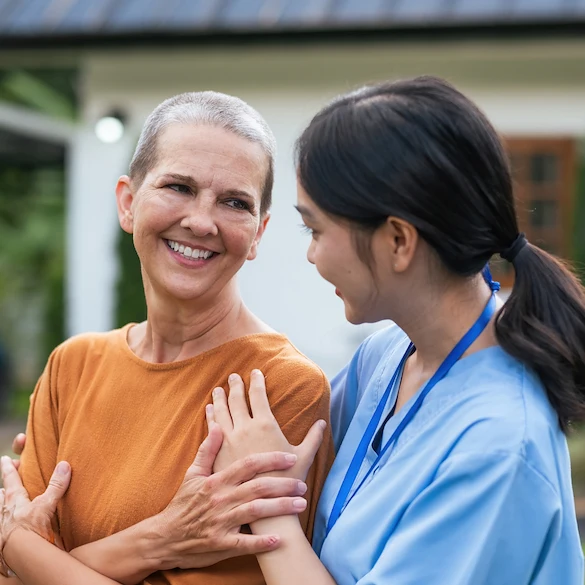
Non-medical Home Care Assistance: Support for Seniors Who Don't Need Medical Care Yet
Non-medical home care assistance helps seniors stay independent. Learn how non-medical home care services support daily life without medical care.
If you're noticing changes but unsure whether help makes sense yet, find out what non-medical home care does here.
How Non-Medical Home Care Services Support Daily Living
Non-medical home care services focus on daily living support, companionship, and practical assistance rather than medical treatment.
Meal preparation ensures your parent eats regularly and well. Caregivers plan meals, shop for groceries, cook nutritious food, and sit with your parent during meals. Regular meals prevent malnutrition and provide structure to the day.
Light housekeeping maintains a clean, safe living environment. Caregivers handle laundry, dishes, vacuuming, bathroom cleaning, and tidying. A clean home affects mood, safety, and willingness to have visitors.
Personal care assistance helps with bathing, dressing, grooming, and hygiene tasks that become difficult. Caregivers handle these tasks with dignity, ensuring your parent stays clean and comfortable without awkwardness.
Companionship addresses isolation. Caregivers provide conversation, engage in activities your parent enjoys, play games, go for walks, or simply sit together. This consistent social interaction prevents loneliness and depression.
Transportation and errands get your parent out of the house safely. Caregivers drive to appointments, stores, social activities, or religious services. Maintaining these connections keeps your parent engaged with the community.
Medication reminders provide structure without medical administration. Non-medical caregivers can remind your parent to take medications on schedule, preventing errors without requiring skilled nursing.
What non-medical home care provides is support that makes daily life manageable rather than exhausting.
Signs a Parent May Need Non-Medical Home Care
Certain patterns indicate that non-medical home care assistance makes sense even when your parent is relatively healthy.
Nutrition suffers quietly when cooking alone loses appeal. Your parent might eat less, choose easier but less nutritious options, or skip meals. Getting meal support early prevents gradual decline.
Social isolation changes mental health. When your parent stops leaving the house regularly, stops seeing friends, and spends days alone, depression and cognitive decline accelerate. Companionship prevents this trajectory.
Home maintenance issues create safety risks. When cleaning becomes difficult, clutter accumulates and fall hazards develop. Addressing housekeeping before problems develop prevents accidents.
Personal hygiene affects dignity and health. When bathing becomes difficult or risky, many seniors simply do it less often. Consistent personal care support maintains dignity and prevents hygiene-related health issues.
Starting non-medical home care early feels less like a crisis response and more like a practical adjustment. Your parent doesn't feel like something terrible has happened. Life just got easier with some reasonable help.
Early support also prevents caregiver burnout for family members. If you've been filling these gaps yourself, you're likely doing more than is sustainable. Adding professional support before you're exhausted protects everyone's wellbeing.
Why Starting Non-medical Senior Home Care Early Makes Life Easier
Many seniors resist the idea of help initially. They associate caregivers with illness or loss of independence. These concerns are normal and worth addressing thoughtfully.
Frame help around what it enables rather than what it replaces. Non-medical home care lets your parent maintain their home, eat well, stay socially connected, and continue routines they value.
It's about making things easier so independence continues longer.
Start small and build gradually. Beginning with a few hours a week for specific tasks feels less overwhelming than full-time care. Your parent can adjust to having help without feeling like their entire life has changed.
Involve your parent in decisions about scheduling and activities. When they have input about when caregivers come, what tasks they help with, and how time is spent, it feels collaborative rather than imposed.
Focus on quality of life improvements your parent values. If they miss having people over because the house isn't clean, emphasize how help with housekeeping enables social connection.
Connect care to what matters to them personally.
Allow time for adjustment. Most resistance softens once caregivers become familiar and your parent experiences the benefits firsthand.
Many families find that non-medical home care services become something their parent looks forward to. The caregiver becomes a welcome presence. Meals are enjoyable again. The house feels comfortable. Days have structure and social connection.
If you're at the point where you're noticing patterns that suggest life is getting harder but you're not sure whether getting help is appropriate yet, here's where to learn what non-medical home care provides and when it makes sense to start.
Getting support for daily living protects independence rather than diminishing it. Independence means having what you need to continue living well at home on your own terms, not managing everything alone regardless of difficulty.
Starting early with non-medical senior home care addresses challenges while they're still manageable rather than waiting until crisis forces drastic changes. Thoughtful planning now keeps quality of life strong and prevents bigger problems later.
If you're ready to explore options for maintaining quality of life, click the button below.