
About Michigan
Michigan offers a unique blend of natural beauty, vibrant communities, and quality healthcare, making it an appealing state for seniors and their families. Known for its four distinct seasons, Michigan’s climate allows residents to enjoy snowy winters and warm summers, perfect for a variety of outdoor activities. Many older adults appreciate the state’s abundance of lakes, parks, and trails, providing ample opportunities for walking, fishing, boating, and nature exploration. This connection to nature supports both physical health and emotional well-being.
Fast Facts
Senior Living & Care in Michigan
| #10 | most populated state in the U.S. |
| $4,300 | average monthly assisted living cost in Michigan |
| 4,000+ | assisted living communities and care providers across Michigan |
| 1.8M+ | Michiganders age 65+ |
The cost of living in Michigan tends to be more affordable than the national average, especially when compared to coastal states, which can ease financial concerns for retirees and families planning for long-term care. Housing options are diverse, ranging from urban apartments in cities like Detroit and Grand Rapids to quiet, retirement-friendly towns throughout the state. This variety allows seniors to find communities that suit their lifestyle preferences and budgets.
Healthcare in Michigan is well-regarded, with numerous hospitals, specialized clinics, and senior care facilities spread across the state. Leading medical centers such as the University of Michigan Health System and Henry Ford Health System provide advanced care and services tailored to older adults, including geriatric medicine and rehabilitation. Many communities also offer senior-friendly amenities and programs designed to support aging in place and foster social connections.
Cultural activities are another highlight of Michigan living. From theater and music festivals in Ann Arbor to art galleries and historic sites in Lansing, seniors can enjoy an active social life with opportunities for lifelong learning and entertainment. Many communities host events specifically geared toward seniors, creating welcoming environments where older adults can thrive.
With a blend of affordable living, strong healthcare networks, and rich recreational and cultural offerings, Michigan stands out as a great place for seniors and their families. Whether searching for independent living, assisted living, or specialized care, those considering senior care in Michigan will find a supportive environment that values dignity, wellness, and quality of life.
Top Cities for Senior Living and Care in Michigan




Assisted Living in Michigan
Assisted living in Michigan offers seniors a supportive living environment designed to help with daily activities while promoting independence and quality of life. Assisted living communities provide services such as assistance with bathing, dressing, mobility, and medication management. In addition to personal care, these communities offer meal services, housekeeping, transportation, and opportunities for social engagement, helping residents maintain an active and connected lifestyle.
In Michigan, assisted living facilities are regulated by the Department of Licensing and Regulatory Affairs (LARA) under the Michigan Adult Foster Care (AFC) licensing program. This means many assisted living homes operate as Adult Foster Care homes, which are licensed to provide care for small groups of residents in a homelike setting. Larger assisted living communities are licensed as Assisted Living Facilities (ALFs) and must meet specific quality standards, including staff training requirements, safety protocols, and care planning. The state enforces regular inspections to ensure compliance with health and safety regulations.
Michigan’s assisted living options are diverse, catering to a wide range of needs and budgets. Families can find everything from luxury communities with upscale amenities, such as fitness centers and fine dining, to more affordable residences focused on essential care services. Memory care units within assisted living communities provide specialized support for individuals with Alzheimer’s disease or other dementias, featuring tailored programs to enhance safety and cognitive function.
When evaluating assisted living options in Michigan, families should consider factors such as location, cost, staff qualifications, and the level of personalized care offered. Visiting communities, reviewing state inspection reports, and talking with current residents and staff can provide valuable insights. It’s also important to assess social and recreational activities that encourage community involvement and well-being.
Overall, assisted living in Michigan offers seniors a flexible, compassionate care environment that balances assistance with independence. With various licensing options and community types, families can find the right fit to support their loved one’s physical, emotional, and social needs.
Top Assisted Living Communities in Michigan
View All Providers-
4.8Premium
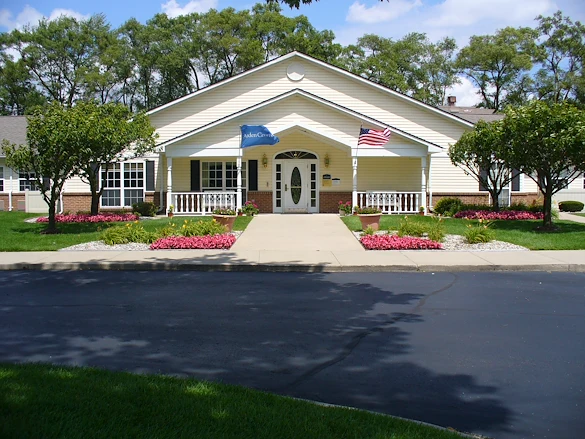
Arden Courts at Sterling Heights
11095 Fourteen Mile Rd Sterling Heights, MI 48312
Assisted LivingMemory CareRespite Care -
4.2Premium
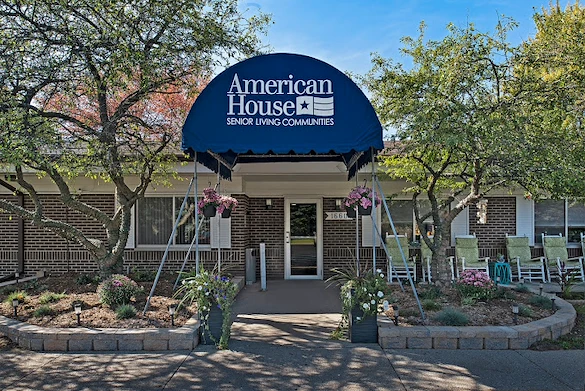
American House Westland Venoy
1660 S Venoy Rd Westland, MI 48186
Independent LivingAssisted LivingRespite Care -
4.8Premium
Arden Courts at Bingham Farms
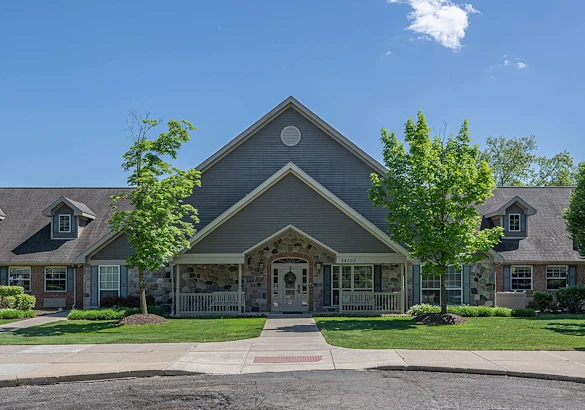
24005 West 13 Mile Road Bingham Farms, MI 48025
Assisted LivingMemory CareRespite Care -
4.4Premium
Arden Courts at Livonia
32500 Seven Mile Rd Livonia, MI 48152
Assisted LivingMemory Care -
4.3Premium
American House Farmington Hills
24400 Middlebelt Rd Farmington Hills, MI 48336
Independent LivingAssisted LivingMemory CareRespite Care
Cost of Assisted Living in Michigan
Several factors influence the cost of assisted living in Michigan. The level of care required, such as assistance with daily activities, medication management, or specialized care for conditions like dementia, can impact pricing. Additionally, the amenities offered by the facility, including private vs. semi-private rooms, dining options, and recreational activities, contribute to the overall cost. Location also plays a significant role; facilities in metropolitan areas generally have higher costs compared to those in rural regions.
Financial assistance options are available for eligible individuals seeking help with the cost of assisted living. The MI Choice Waiver Program allows qualifying seniors to receive Medicaid-covered services in assisted living settings, provided they meet specific income and asset criteria. Additionally, veterans may be eligible for benefits through the U.S. Department of Veterans Affairs, and some long-term care insurance policies may cover assisted living expenses. It's advisable to consult with a financial planner or eldercare attorney to explore all available options and determine eligibility for assistance programs.
In summary, while the cost of assisted living in Michigan can be higher than the national average, various factors influence pricing, and financial assistance programs are available to help offset expenses. Families should consider location, care needs, and available resources when evaluating assisted living options to ensure they find a solution that meets both their loved one's needs and their financial situation.
What to Know About Assisted Living in Michigan
The average cost of assisted living in Michigan typically falls in the range of several thousand dollars per month, depending on the city, apartment type, and level of care needed. Costs may be higher in metro areas and lower in smaller towns or rural communities.
Assisted living pricing can also increase if a resident needs additional services such as medication management, mobility assistance, or help with bathing and dressing.
Seniors in Michigan may qualify for assisted living if they need help with daily activities but do not require full-time skilled nursing care. Assisted living is often a good fit for older adults who need support with:
-
Bathing, dressing, grooming, or toileting
-
Medication reminders or medication management
-
Mobility support and fall prevention
-
Meals, housekeeping, and laundry
-
Transportation and daily routines
Most communities complete a care assessment to confirm that a resident can be safely supported.
Medicare typically does not cover assisted living in Michigan because assisted living is considered housing and personal care—not medical care. However, Medicare may still cover eligible healthcare services a resident receives separately, such as doctor visits, outpatient treatment, prescriptions, or hospital care (depending on the plan).
Families often explore private pay, long-term care insurance, veteran benefits (if eligible), or Medicaid-related assistance programs.
Michigan may offer financial assistance for certain care services through Medicaid-related programs for qualifying seniors. While the state may help cover some care-related services, it typically does not cover all assisted living costs the same way private pay does.
Eligibility depends on factors like income, care needs, and program availability, so it’s helpful to explore options early.
Independent Living in Michigan
Independent living in Michigan offers seniors a vibrant and supportive environment that balances independence with community engagement. These communities are designed for individuals who can live independently but desire the convenience of maintenance-free living, social opportunities, and access to amenities. Residents typically enjoy private apartments or cottages, with services such as housekeeping, transportation, and recreational activities included. This lifestyle allows seniors to focus on enjoying their retirement years without the burdens of home maintenance.
Michigan is home to several retirement-friendly cities that cater to active seniors. Ann Arbor, for instance, offers a rich cultural scene with events like the Ann Arbor Art Fair and a variety of outdoor activities along the Huron River. The city's proximity to the University of Michigan provides access to educational and cultural resources, enhancing the retirement experience. Traverse City is another appealing option, known for its scenic beauty, wineries, and recreational opportunities along Lake Michigan. Both cities offer a blend of cultural amenities and natural beauty, making them attractive choices for independent living.
The state's climate also contributes to its appeal. Michigan experiences four distinct seasons, allowing residents to enjoy a variety of outdoor activities year-round. The state's natural landscapes, including lakes, forests, and parks, provide ample opportunities for hiking, boating, and other recreational pursuits, promoting an active and healthy lifestyle for seniors.
Independent living communities in Michigan are designed to foster a sense of community and well-being. They offer a range of amenities such as fitness centers, libraries, and social clubs, encouraging residents to stay active and engaged. These communities often organize events and outings, providing opportunities for socialization and personal growth. For seniors seeking a fulfilling and independent lifestyle, Michigan's independent living communities offer a supportive and enriching environment.
Top Independent Living Communities in Michigan
View All Providers-
-
4.3Premium
American House Dearborn Heights
26600 Ann Arbor Trl Dearborn Heights, MI 48127
Active Adult LivingIndependent LivingRespite Care -
4.1Premium
American House Sterling Heights
11255 15 Mile Rd Sterling Heights, MI 48312
Active Adult LivingIndependent LivingRespite Care -
4.2Premium
American House Westland Venoy
1660 S Venoy Rd Westland, MI 48186
Independent LivingAssisted LivingRespite Care -
4.3Premium
American House Farmington Hills
24400 Middlebelt Rd Farmington Hills, MI 48336
Independent LivingAssisted LivingMemory CareRespite Care
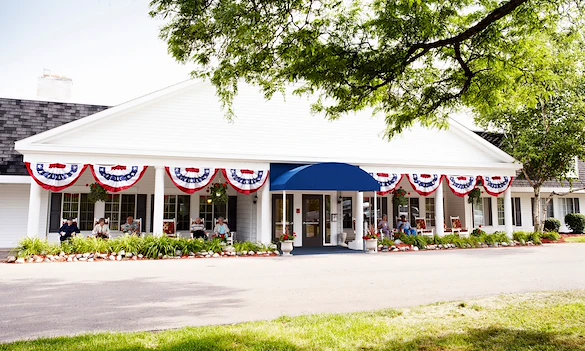
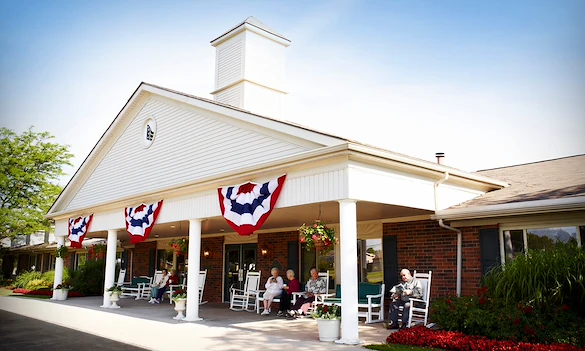
Cost of Independent Living in Michigan
Independent living communities typically offer a range of housing options, from studio apartments to one- and two-bedroom units. The size and layout of a residence play a key role in pricing, with larger or more private units costing more. Monthly fees often include utilities, maintenance, housekeeping, social and recreational activities, and sometimes basic meal plans. Additional services—such as transportation, specialized meal options, or wellness programs—may incur extra costs.
Michigan’s independent living communities also vary in amenities, from fitness centers, pools, and libraries to pet-friendly policies and organized outings. These features can influence the overall cost, with luxury communities charging more for premium services and accommodations. While prices have steadily increased over recent years, the state remains more affordable than many coastal regions, making it an attractive choice for seniors seeking a vibrant yet budget-conscious lifestyle.
Financial assistance options in Michigan can help eligible seniors manage costs. While Medicaid typically does not cover independent living, programs like the Michigan Veterans Affairs Agency provide benefits to veterans and their spouses. Some nonprofits and local programs may offer utility assistance or housing subsidies for seniors. Additionally, long-term care insurance policies may offset some expenses, depending on coverage details.
To manage costs effectively, families should compare multiple communities, visit in person when possible, and carefully review contract terms. Understanding what’s included in monthly fees and exploring available financial resources can help ensure a good fit between budget and lifestyle preferences.
What to Know About Independent Living in Michigan
The average cost of independent living in Michigan varies depending on location, apartment size, and amenities included. Independent living is often more affordable than assisted living because it typically does not include hands-on personal care services.
Many independent living communities include conveniences like maintenance, social activities, dining options, and transportation, so it’s important to compare what’s included in the monthly price.
Independent living is best for seniors who can live safely on their own without daily personal care assistance. Many residents choose independent living because they want:
-
A maintenance-free lifestyle
-
A senior-friendly community environment
-
Built-in social connection and activities
-
Optional services like meals and transportation
Qualifications vary by community, but independent living generally fits seniors who do not need routine help with bathing, dressing, or medication management.
Medicare typically does not pay for independent living because independent living is considered housing and lifestyle support, not medical treatment. However, Medicare may still help cover eligible healthcare costs such as doctor visits, prescriptions, hospital care, and outpatient services (depending on the plan).
If a senior needs personal care support, additional funding sources may be needed.
A common disadvantage of independent living is that it usually does not include daily personal care assistance, which means it may not be the right fit for seniors who need help with bathing, dressing, mobility, or medication management. Another consideration is cost—independent living can still be more expensive than living at home in some situations.
For many seniors, the benefits of convenience, safety, and community outweigh the drawbacks.
Home Care in Michigan
Non-medical home care in Michigan plays a crucial role in supporting seniors who wish to maintain their independence while receiving assistance with daily living activities. This type of care encompasses a range of services designed to help individuals remain in the comfort of their own homes, promoting autonomy and enhancing quality of life.
Non-medical home care services typically include assistance with activities of daily living (ADLs) such as bathing, dressing, grooming, and toileting. Additionally, caregivers may offer companionship, light housekeeping, meal preparation, and transportation to appointments or social events. These services are particularly beneficial for seniors dealing with chronic conditions, mobility issues, or cognitive impairments, enabling them to live safely and comfortably at home.
In Michigan, home care agencies are not required to obtain a state license to operate. However, they must adhere to specific regulations set forth by the Michigan Department of Health and Human Services (MDHHS). Agencies are mandated to conduct background checks on all caregivers and ensure they are enrolled in the Community Health Automated Medicaid Processing System (CHAMPS) to receive Medicaid reimbursement. While formal caregiver training is not required, agencies are encouraged to provide appropriate training to their staff to ensure quality care. It's important to note that caregivers employed through the MDHHS Home Help program must be at least 18 years old and cannot be the client's spouse or parent of a minor child.
The availability of non-medical home care services in Michigan can vary based on geographic location, with urban areas typically having a higher concentration of providers compared to rural regions. The MDHHS Home Help program is a significant resource, offering financial assistance to eligible individuals who require help with ADLs. This program allows clients to hire caregivers, including family members (excluding spouses and parents of minor children), to provide necessary services. Eligibility for the program is based on income and asset criteria, and services are tailored to individual needs.
Non-medical home care in Michigan is an essential service that enables seniors to live independently and comfortably in their own homes. By understanding the services offered, licensing requirements, and available programs, families can make informed decisions to ensure their loved ones receive the appropriate care and support.
Top Home Care in Michigan
View All Providers-
4.9Verified
Visiting Angels - Dearborn
3200 Greenfield Rd #348 Dearborn, MI 48120
Home Care (Non-Medical) -
Not yet ratedVerified
Right at Home - Grosse Pointe
18000 Mack Ave Gross Pointe, MI 48230
Home Care (Non-Medical) -
5.0Verified
Home Instead - Grosse Pointe Woods
18514 Mack Ave Ste 101 Grosse Pointe Woods, MI 48236
Home Care (Non-Medical)


Cost of Home Care Non-Medical in Michigan
Regional variations in pricing exist, with urban areas like Detroit and Grand Rapids typically having higher rates due to increased demand and cost of living. Conversely, rural areas may offer more affordable options, though availability of services can be limited.
Several factors influence the cost of non-medical home care. The number of care hours needed is a primary determinant; more hours of care result in higher monthly expenses. Additionally, agencies often charge higher rates than private caregivers, as they include administrative costs and may offer more comprehensive services.
Financial assistance options are available to help offset the cost of non-medical home care in Michigan. The Medicaid-funded Home Help Program provides personal care services to eligible individuals who require assistance with activities of daily living. This program allows clients to hire caregivers, including family members, to provide necessary services .
Long-term care insurance policies may also cover non-medical home care expenses, depending on the policy's terms. It's important for families to review their insurance coverage to understand what services are included.
In summary, non-medical home care in Michigan offers a flexible and cost-effective option for seniors wishing to remain in their homes. By understanding the factors that influence cost and exploring available financial assistance programs, families can make informed decisions to ensure their loved ones receive the care they need.
What to Know About Non Medical Home Care in Michigan
A non-medical caregiver provides help with daily living tasks and supportive care, but does not provide medical treatment. Non-medical caregivers may assist with:
-
Companionship and supervision
-
Meal preparation and light housekeeping
-
Transportation and errands
-
Mobility support and fall prevention
-
Help with bathing and dressing (depending on care needs)
Non-medical home care is a great option for seniors who want to remain at home while receiving consistent support.
In some cases, a family member may be able to get paid for providing caregiving support in Michigan through qualifying assistance programs. Eligibility typically depends on the care recipient’s needs, income requirements, and program availability.
If you’re caring for a loved one at home, it may be worth exploring whether financial support options are available in your area.
Medicare may cover certain home health care services in Michigan when medically necessary, such as skilled nursing care or therapy services ordered by a healthcare provider.
However, Medicare typically does not cover long-term non-medical caregiving services like housekeeping, meal prep, or full-time personal care support.
Caregiver pay in Michigan can vary depending on the program, approved care hours, and service type. Some caregiver support programs may offer compensation for qualifying caregivers, but payment amounts differ based on eligibility rules and individual care needs.
If you’re exploring paid caregiving options, it helps to confirm program requirements and what services qualify.
Long-Term Care/Skilled Nursing in Michigan
Long-term care in skilled nursing facilities (SNFs) in Michigan provides comprehensive medical, rehabilitative, and specialized support for seniors who require around-the-clock care. These facilities cater to individuals managing chronic illnesses, recovering from surgery, or living with cognitive impairments. The goal is to help residents maintain their quality of life through personalized and attentive care.
Skilled nursing facilities in Michigan offer a wide range of medical services, including skilled nursing care, physical, occupational, and speech therapies, wound care, and medication management. Care plans are customized for each resident based on their unique needs, promoting recovery and overall well-being. In addition to general nursing care, many SNFs have specialized memory care units designed for residents with Alzheimer’s disease, dementia, or other memory-related conditions. These units feature trained staff and secure environments that support daily living activities and cognitive health. Facilities also provide post-surgical recovery care, helping residents regain strength and independence after medical procedures.
In Michigan, skilled nursing facilities are regulated by the Department of Licensing and Regulatory Affairs (LARA) and must comply with both state and federal requirements. These regulations cover staffing levels, resident assessments, and the development of individualized care plans. Facilities undergo annual inspections to ensure they meet quality standards. The Michigan Department of Health and Human Services (MDHHS) oversees Medicaid services, guaranteeing that eligible residents receive care that adheres to established guidelines.
When evaluating nursing home options in Michigan, families should consider factors such as staffing ratios, which directly affect the quality of care. State regulations require specific nurse-to-resident ratios tailored to resident needs. Reviewing inspection results and quality ratings through tools like Nursing Home Compare can provide valuable insights. Families should also familiarize themselves with resident rights and connect with resources such as Michigan’s Long-Term Care Ombudsman Program for advocacy and support. Finally, it’s essential to confirm that a facility offers the specialized services required, whether memory care or rehabilitation.
By carefully researching, visiting facilities, and considering these factors, families can choose skilled nursing homes in Michigan that deliver compassionate, high-quality care tailored to their loved one’s needs.
Top Long-Term Care/Skilled Nursing in Michigan
View All Providers-
3.0Verified
Regency At Chene
2295 E Vernor Highway Detroit, MI 48207
Long-Term Care / Skilled NursingSkilled RehabilitationRespite Care -
5.0Verified
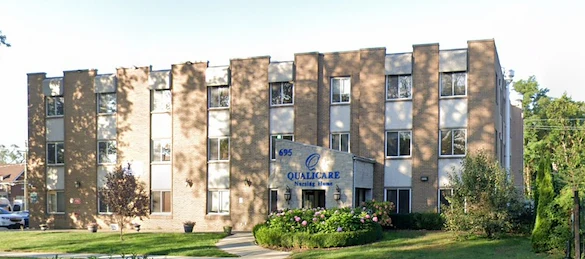
Qualicare Nursing Home
695 E Grand Blvd Detroit, MI 48207
Long-Term Care / Skilled NursingSkilled Rehabilitation -
4.0Verified
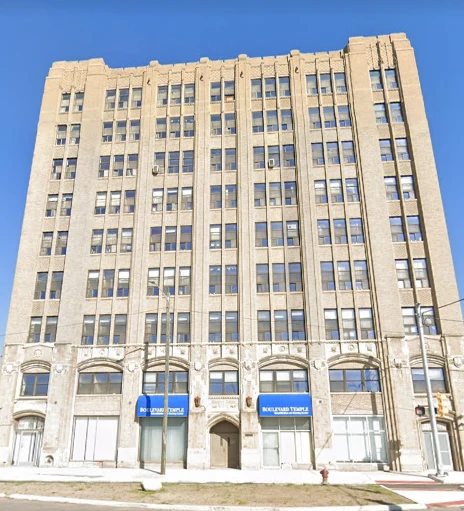
Boulevard Temple Care Center
2567 West Grand Boulevard Detroit, MI 48208
Long-Term Care / Skilled NursingSkilled Rehabilitation
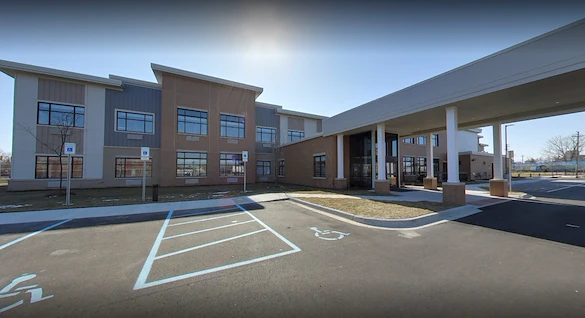
Cost of Nursing Homes in Michigan
Several key factors influence pricing in skilled nursing facilities. The level of medical care required—such as post-surgical recovery, 24/7 monitoring, complex medication management, or physical therapy—can significantly increase monthly costs. Facilities with stronger reputations, high staff-to-resident ratios, and added amenities such as private rooms, memory care units, or wellness programs often charge higher fees. However, these added costs may also reflect enhanced comfort and quality of life for residents.
Families have several options for financial assistance. Medicare Part A may cover short-term skilled nursing care following a qualifying hospital stay, typically up to 100 days. For long-term care, Medicaid provides essential support through Michigan’s Medicaid Nursing Facility program, which covers costs for income-eligible individuals who meet medical criteria. Additionally, the MI Choice Waiver Program allows qualifying seniors to receive nursing-level care in alternative settings, such as their homes or assisted living facilities. Veterans’ benefits and long-term care insurance policies may also help offset out-of-pocket expenses.
Understanding the full scope of skilled nursing costs in Michigan—and what financial assistance is available—can help families plan more confidently and ensure their loved ones receive the care they need in a safe, comfortable environment.
What to Know About Nursing Homes in Michigan
The average cost of a nursing home in Michigan varies based on location, room type, and medical needs. Nursing homes are typically one of the most expensive senior care options because they provide 24/7 skilled nursing care and medical supervision.
Costs may be higher for private rooms and for seniors who need more complex medical support.
What happens to savings when someone enters a nursing home depends on how care is being paid for. With private pay, families may use savings, retirement income, and assets to cover nursing home expenses. Over time, long-term care costs can significantly impact finances.
If someone applies for Medicaid, there may be financial eligibility requirements and asset limits, so planning and guidance can be helpful.
Medicaid may help pay for nursing home care in Michigan for individuals who meet financial and medical eligibility requirements. Medicaid is one of the most common ways long-term nursing home care is funded when private pay is not sustainable.
Since eligibility rules can be complex, families often explore options early.
Monthly nursing home costs in Michigan vary widely based on the facility, location, and level of care needed. Many nursing home stays cost several thousand dollars per month, with private rooms typically costing more than shared rooms.
Comparing facilities in your preferred area is the best way to understand pricing.
Finding the Right Senior Care in Michigan
Navigating senior living and care options in Michigan can feel overwhelming, but having trustworthy, easy-to-understand information can make the process much smoother. Whether you're researching assisted living, comparing independent living communities, exploring home care services, or planning for long-term skilled nursing, Michigan offers a wide range of solutions designed to support safety, comfort, and quality of life.
From lakefront towns to major metro areas like Detroit and Grand Rapids, families can choose from communities that fit different lifestyles, preferences, and budgets. Michigan’s strong healthcare network—including nationally recognized medical centers and specialized senior care providers—offers peace of mind for older adults who may need ongoing support or access to advanced medical services.
As you begin your search, keep in mind that every senior’s needs are unique. Use this guide as a starting point, then take time to explore local providers, visit communities, review state inspection reports, and ask questions that help you understand the level of care offered. The right match should provide comfort, dignity, connection, and confidence for both seniors and the families supporting them.
Below are answers to the most common questions families ask when researching senior living and senior care in Michigan.
Frequently Asked Questions About Senior Living in Michigan
The best place for seniors to live in Michigan depends on lifestyle preferences, budget, and healthcare access. Some seniors prefer larger metro areas for medical systems and amenities, while others choose smaller towns for affordability and quieter living.
The best fit is usually the area that provides the right balance of comfort, support options, and cost.
The cheapest way for a senior to live depends on health needs and support systems. Lower-cost options often include:
-
Staying at home with limited paid support
-
Living with family or shared housing
-
Income-based senior housing (when available)
-
Using community services like transportation and meal support
Affordability matters, but safety and future care needs should also be considered.
Low income for seniors in Michigan can vary based on household size, county, and the specific assistance program being used. Many senior support programs have income limits that determine eligibility for benefits or reduced-cost services.
Because requirements can change, it’s helpful to confirm income guidelines based on your location and the program you’re applying for.
Medicare typically does not pay for senior housing, including independent living or senior apartments, because these are considered housing costs rather than medical services. Medicare may help cover medical care services a senior receives separately, such as doctor visits, hospital care, or prescriptions.
If a senior needs financial help with housing or care, other programs may be available depending on eligibility.
Frequently Asked Questions About Senior Care in Michigan
Michigan may offer support programs that help eligible seniors receive care at home, and in some cases, family caregivers may be compensated through qualifying services. Eligibility depends on the senior’s care needs, financial requirements, and program availability.
If you’re caring for a parent at home, it may be helpful to explore paid caregiver options available in your area.
Senior care is often priced hourly, especially for non-medical home care. Rates vary based on location, scheduling (weekends or overnight), and the level of support needed.
Comparing local providers can help families understand pricing and find the best fit for both care needs and budget.
The term “Michigan Senior Caregiver Program” can refer to different local or statewide resources designed to support seniors and caregivers. Michigan offers a variety of services that may help with in-home care, caregiver support, and aging-related resources depending on eligibility.
If you’re searching this phrase, it’s helpful to confirm the specific program name and what benefits or services are included.
Low income guidelines in Michigan can vary depending on the program and household size. Many services use income thresholds to determine eligibility for financial support, reduced-cost services, or caregiver assistance programs.
To confirm eligibility, it’s best to review current program requirements based on the senior’s county and circumstances.