
About Maine
Maine, known as the Pine Tree State, offers an exceptional quality of life that makes it an ideal destination for seniors seeking comfort, connection, and natural beauty in retirement. From charming coastal towns to serene forested communities, Maine provides a peaceful yet vibrant environment where older adults can enjoy their golden years. With its four distinct seasons, Maine’s climate is perfect for those who appreciate crisp fall foliage, snowy winter landscapes, refreshing spring blooms, and mild summer breezes.
Fast Facts
Senior Living & Care in Maine
| #41 | most affordable state for senior living and care |
| $6,500 | average cost of care in Maine |
| 300 | senior living and care providers in Maine |
| 330K+ | population of individuals age 65+ in Maine |
One of Maine’s greatest appeals is its affordability compared to other New England states. The cost of living in Maine is relatively moderate, and seniors benefit from property tax relief programs, retirement income exemptions, and affordable senior housing options. This financial accessibility, combined with Maine’s strong commitment to elder care, makes the state particularly attractive for those exploring long-term senior living options.
Healthcare in Maine is another major advantage. The state is home to highly regarded medical centers such as Maine Medical Center in Portland and Northern Light Eastern Maine Medical Center in Bangor. With access to both large hospital systems and trusted local clinics, seniors receive high-quality, personalized care across the state. Maine also invests in senior wellness programs and community-based services that support aging in place.
For active retirees, Maine offers a wide range of lifestyle benefits. Outdoor enthusiasts can explore Acadia National Park, stroll along scenic coastal trails, or enjoy fishing, kayaking, and birdwatching. Culturally rich communities like Portland, Camden, and Bar Harbor host year-round festivals, art shows, and local theater performances. Many cities and towns in Maine are recognized as age-friendly, offering walkable downtowns, senior centers, and public transportation to support independence and engagement.
Maine’s senior living communities—ranging from independent living and assisted living to memory care and skilled nursing—are designed to meet diverse needs while fostering a sense of community and purpose. Whether you're seeking quiet country living or a coastal retirement near the water, Maine offers the perfect setting for a fulfilling next chapter.
With its beautiful surroundings, senior-focused support services, and welcoming spirit, Maine continues to be a top choice for older adults and their families seeking trusted senior care solutions in New England.
Top Cities for Senior Living and Care in Maine






Assisted Living in Maine
Assisted living in Maine offers a supportive and enriching environment for older adults who need help with daily activities but wish to maintain as much independence as possible. These communities are designed to provide personal care services such as assistance with bathing, dressing, mobility, and medication management, while also promoting social connection and overall well-being. Residents can enjoy private apartments or shared suites, with access to on-site amenities like dining, housekeeping, transportation, and recreational programming.
What sets assisted living in Maine apart is its emphasis on small, community-oriented living with access to nature, cultural opportunities, and personalized care. Many communities are located in scenic towns such as Portland, Bangor, and Brunswick, offering a blend of coastal charm, walkability, and proximity to medical facilities. Maine's four-season climate also appeals to seniors who enjoy seasonal activities, from summer strolls to cozy indoor programming during the winter months.
In Maine, assisted living facilities are licensed and regulated by the Department of Health and Human Services (DHHS). Facilities are required to meet specific standards related to resident care, safety, staff qualifications, and emergency preparedness. This regulatory framework ensures that seniors receive high-quality, person-centered care in a secure setting. Maine’s licensing categories include Residential Care Facilities and Assisted Housing Programs with services, which can range in levels of support based on the resident’s needs.
Families can choose from a variety of assisted living options in Maine, including luxury communities with upscale amenities, budget-friendly residences, and specialized communities focused on memory care for individuals with Alzheimer’s or other forms of dementia. Many facilities offer tailored care plans, ensuring that each resident receives the right level of support.
When evaluating assisted living in Maine, families are encouraged to tour multiple communities, review state inspection reports, and speak with residents and staff to get a true feel for the environment. Factors to consider include the community’s approach to wellness, staffing ratios, activity offerings, and dining services. With its combination of compassionate care, natural beauty, and strong oversight, assisted living in Maine provides older adults with a secure and fulfilling lifestyle.
Top Assisted Living Communities in Maine
View All Providers-
Not yet ratedVerified
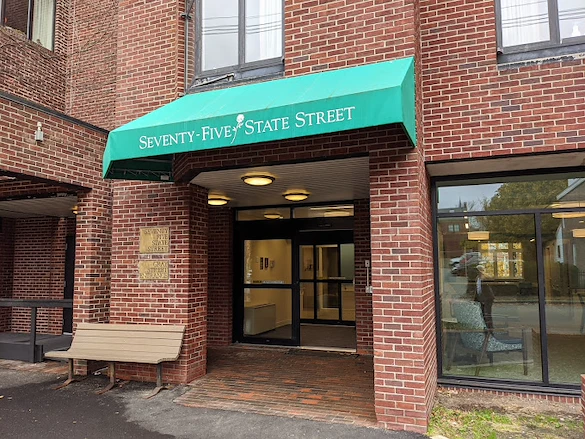
75 State Street
75 State St. Portland, ME 04101
Independent LivingAssisted Living -
3.8Verified
The Cedars
630 Ocean Avenue Portland, ME 04112
Independent LivingAssisted LivingMemory Care -
Cost of Assisted Living in Maine
Several factors influence pricing. The level of care is key—residents needing regular assistance with activities of daily living (ADLs) such as bathing or medication management typically pay more. Community amenities like private apartments, dining options, wellness programs, and fitness offerings can also raise monthly rates. Location plays a role, too, with coastal or urban areas commanding higher prices than rural settings. A Place for Mom notes that floor plans, services, and amenities significantly shape total cost.
To help families manage costs, Maine offers financial assistance options. MaineCare, the state’s Medicaid program, provides Home and Community-Based Services (HCBS) waivers, which can help cover assisted living-related services for eligible seniors. Additionally, Veterans Aid & Attendance benefits and personal long-term care insurance may contribute to monthly expenses, depending on eligibility and plan terms.
In summary, while assisted living in Maine is more expensive than the national average, it remains fairly competitive within the Northeast. Families can expect monthly costs ranging from $3,700 to $8,300, depending on location and service level. Comparing care features, touring communities, and exploring state-specific aid programs like MaineCare can help families find the best balance between quality and affordability.
What to Know About Assisted Living in Maine
The average cost of assisted living in Maine is approximately $5,300–$5,600 per month, with higher costs in southern and coastal areas.
No, Medicare does not pay for assisted living in Maine. Medicare only covers short-term medical services such as hospital care, rehabilitation, and skilled nursing following a qualifying hospital stay.
To qualify for assisted living in Maine, a person must need help with activities of daily living such as bathing, dressing, or medication management but not require continuous skilled nursing care.
Medicare does not pay any portion of assisted living costs, including room, board, or personal care services.
Independent Living in Maine
Independent living in Maine is a popular option for older adults who want to enjoy an active, maintenance-free lifestyle without the responsibilities of homeownership. Designed for seniors who are mostly self-sufficient but appreciate access to services, independent living communities typically offer private apartments or cottages, housekeeping, dining options, transportation, and a variety of social and wellness activities. These communities support seniors in maintaining their independence while offering the freedom to enjoy retirement with fewer daily burdens.
For seniors in Maine, independent living comes with the added benefit of the state’s scenic beauty, coastal charm, and relaxed pace of life. Whether enjoying fresh lobster in a seaside village, walking along forested trails, or taking in a summer concert in the park, retirees in Maine have endless opportunities for recreation and connection. Many communities also offer on-site amenities such as fitness centers, walking paths, gardens, and libraries to keep residents engaged physically, mentally, and socially.
Maine is home to several retirement-friendly cities that offer an excellent quality of life for older adults. Portland, for example, is known for its vibrant arts scene, award-winning restaurants, and walkable downtown. Bangor and Lewiston-Auburn provide more affordable housing options while still offering access to hospitals, shopping, and cultural events. Seniors who prefer quieter, more rural settings may find independent living options appealing in coastal towns or inland communities like Augusta or Waterville.
In terms of climate, Maine’s four distinct seasons offer a beautiful backdrop for outdoor living, from crisp autumn foliage to warm summer days along the coast. Many seniors appreciate the slower pace and strong sense of community that Maine offers. Additionally, the state’s relatively low crime rates and growing network of healthcare facilities—including access to top providers like MaineHealth and Northern Light Health—make it a safe and supportive place to retire.
Overall, independent living in Maine is ideal for seniors who want to simplify daily life, stay active, and build community in a scenic and culturally rich environment. With a variety of settings and price points available, older adults can find the right community to match their lifestyle preferences and enjoy retirement to the fullest.
Top Independent Living Communities in Maine
View All Providers-
3.9
North School Apartments
248 Congress St. Portland, ME 04101
Active Adult LivingIndependent Living -
-
Not yet ratedVerified
75 State Street
75 State St. Portland, ME 04101
Independent LivingAssisted Living

Cost of Independent Living in Maine
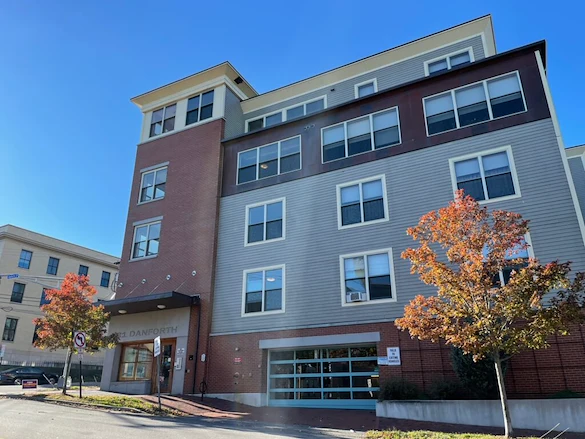
In contrast, Bangor, a smaller city in central Maine, offers more affordable options. The average monthly cost for independent living in Bangor is approximately $4,284, with a range between $1,760 and $4,422 per month. This price difference is attributed to the lower cost of living in the area and the availability of various community types, from budget-friendly to more upscale options.
Several factors influence the cost of independent living in Maine, including the location's proximity to urban centers, the size and type of accommodations, and the range of services and amenities offered. Communities that provide additional services such as wellness programs, transportation, and recreational activities may have higher fees.
For seniors seeking more affordable options, Maine offers low-income or subsidized senior housing complexes, senior apartments, and congregate care housing. These alternatives can range from $2,750 to $5,500 per month, depending on the location and services provided. It's important to research and visit various communities to find the best fit for individual needs and budgets.
In summary, independent living in Maine provides seniors with a range of options to suit different lifestyles and budgets. By considering factors such as location, amenities, and cost, seniors and their families can make informed decisions to ensure a fulfilling and comfortable retirement.
What to Know About Independent Living in Maine
Medicare does not pay for independent living, as it is considered a housing and lifestyle option rather than medical care.
The cost of living in Maine for a single person averages $2,500–$3,000 per month, excluding rent, with housing and healthcare being the largest expenses.
Independent living is designed for seniors age 55 or 62 and older who can live independently without daily personal or medical care.
Independent living in Maine typically costs $2,600–$3,500 per month, depending on location and amenities.
Home Care in Maine
Non-medical home care in Maine plays a vital role in helping seniors remain safe, comfortable, and independent in their own homes. Unlike medical home health services, non-medical home care focuses on daily living support rather than clinical or rehabilitative care. For older adults who may not require skilled nursing but still need assistance, this type of care offers a flexible and compassionate solution.
Common services provided through non-medical home care in Maine include help with personal hygiene tasks such as bathing, grooming, and dressing; companionship to reduce feelings of loneliness and social isolation; and assistance with light housekeeping, laundry, grocery shopping, and meal preparation. Many providers also offer transportation to doctor’s appointments, errands, or community events, supporting seniors' continued engagement with their local community.
Maine requires that non-medical home care agencies—referred to as personal care agencies—be licensed through the Maine Department of Health and Human Services. These agencies must meet regulatory standards for staff training, background checks, care plans, and ongoing quality assurance. As of 2024, agencies must also be in compliance with new licensing rules that promote higher care standards and transparency. This ensures that families hiring a licensed home care provider in Maine can expect a baseline of professionalism, safety, and accountability.
Maine’s geography and aging population both influence home care availability. In more rural or remote areas, access to caregivers can be limited, making scheduling more challenging and possibly increasing hourly rates. However, in urban areas like Portland, Bangor, and Augusta, families can typically find a wider range of agency-based services, including both basic assistance and more specialized dementia care support.
Ultimately, non-medical home care in Maine allows older adults to age in place with dignity and independence. It’s a personalized option that can adapt to changing needs over time, whether a few hours per week of companionship or daily help with personal care. For families considering in-home care, understanding local licensing requirements and the scope of available services can help them make informed, confident decisions about the best path forward for their loved ones.
Top Home Care in Maine
View All Providers-
5.0Verified
Cornerstone Caregiving - Portland
498 Woodford St Suite C Portland, ME 04103
Home Care (Non-Medical) -
4.3Verified
Right at Home - Central Maine
51 US Route 1, Ste R-1 Scarborough, ME 04074
Home Care (Non-Medical) -


Cost of Home Care Non-Medical in Maine
gency-provided care vs. private caregivers is another important distinction. Agency services typically include additional value—vetted staff, liability insurance, scheduling and backup support—but come at a higher per-hour rate (sometimes 20–30% more). Private caregivers often cost less but offer fewer safeguards and little oversight.
Geography and care intensity also affect costs. Urban areas such as Portland are at the higher end; rural areas in Maine may provide lower rates but potentially fewer available caregivers. Personal care tasks (like bathing and transferring) raise the rate compared to companionship‑only services.
To ease financial burden, eligible Maine residents may access MaineCare Medicaid waivers, such as the Consumer Directed Attendant Services (CDAS) program, which allows hiring approved caregivers—including family members in some cases—with costs covered through. Additional coverage may come from long‑term care insurance or Veterans’ Aid & Attendance benefits, depending on the individual’s situation.
When planning for in‑home care, families should analyze hourly rates locally, total hours needed, and whether agency oversight or private caregiving fits their comfort level. Exploring available financial support also helps ensure access to safe, personalized care without overwhelming costs.
What to Know About Non Medical Home Care in Maine
A non-medical caregiver provides personal assistance and companionship, helping with tasks such as bathing, dressing, meal preparation, transportation, and light housekeeping, without providing medical treatment.
The three primary types of home care services are non-medical home care, medical home health care, and hospice care.
Non-skilled home health services include personal care and daily living assistance that do not require licensed medical professionals.
Medical home care provides skilled services such as nursing and therapy ordered by a doctor, while non-medical home care focuses on daily living support and companionship.
Long-Term Care/Skilled Nursing in Maine
Long-term care in Maine’s skilled nursing facilities is designed to support older adults and individuals with complex medical needs who require 24-hour clinical oversight. These licensed facilities offer a full spectrum of services, including round-the-clock nursing care, medication management, rehabilitative therapies, and specialized care for conditions such as Alzheimer’s disease, dementia, and post-surgical recovery. Whether someone is recovering from a stroke or managing a chronic illness, skilled nursing care provides a safe, structured environment that prioritizes both medical attention and quality of life.
In Maine, skilled nursing facilities are regulated by the Department of Health and Human Services (DHHS) Division of Licensing and Certification. These facilities must meet rigorous standards outlined in both state and federal regulations, including routine inspections and mandatory staffing ratios to ensure residents receive appropriate care. Families can review a facility’s performance through the Centers for Medicare & Medicaid Services (CMS) Nursing Home Compare tool, which includes star ratings based on health inspections, staffing, and quality measures. Maine’s nursing homes are also subject to additional reporting and transparency initiatives through the Maine Health Data Organization.
Maine offers a variety of skilled nursing options, from small, community-based facilities to larger campuses that integrate long-term care with memory care and short-term rehabilitation. Many facilities focus on creating a homelike atmosphere, offering private or semi-private rooms, on-site therapy services, nutritious meals, and life enrichment programs designed to promote mental, physical, and emotional well-being.
When evaluating nursing home options in Maine, families should consider location, staff qualifications, medical services available, and the overall reputation of the facility. Visiting in person, reading recent inspection reports, and talking with current residents and their families can provide valuable insights. It’s also important to understand payment options, including Medicare, MaineCare (Medicaid), and long-term care insurance, which can help offset the high costs of skilled care.
For families navigating long-term care decisions, Maine’s skilled nursing facilities offer a compassionate and medically sound solution that balances advanced care with a person-centered approach—helping residents live safely, comfortably, and with dignity.
Top Long-Term Care/Skilled Nursing in Maine
View All Providers-
3.0Verified
Pinnacle Health & Rehab At South Portland
42 Anthoine St So Portland, ME 04106
Long-Term Care / Skilled NursingSkilled Rehabilitation -
4.0Verified
Cedars Nursing Care Center
630 Ocean Avenue Portland, ME 04112
Memory CareLong-Term Care / Skilled NursingSkilled Rehabilitation -
4.0Verified
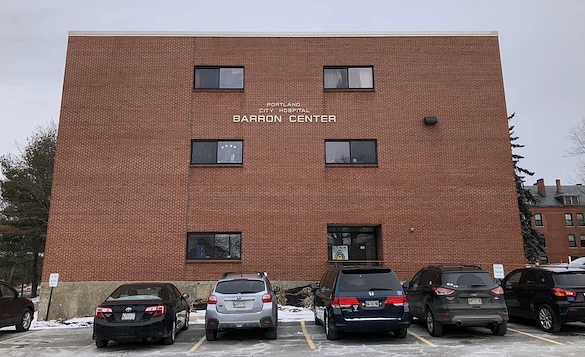
Barron Center
1145 Brighton Ave Portland, ME 04102
Long-Term Care / Skilled NursingSkilled RehabilitationAdult Day Services

Cost of Nursing Homes in Maine
Several key factors affect skilled nursing pricing. Care intensity—such as specialized medical or memory care services—and staffing levels directly influence cost. Facilities with more licensed nursing staff, therapy programs, or enhanced clinical support charge more. Amenities, like private rooms, upgraded dining, recreational programs, or proximity to urban centers, also raise rates. Location is another critical component: facilities in greater Portland or other densely populated regions often carry higher overhead than community-based providers.
For families planning financially, there are several financial assistance avenues. MaineCare (Medicaid) may cover skilled nursing costs for individuals who meet income and medical eligibility criteria. Medicare may cover short-term skilled nursing care following hospitalization, but not ongoing long-term residency. Long-term care insurance policies, when in place, may also offset costs. Veterans and their families might qualify for VA benefits depending on discharge status and disability ratings.
When evaluating skilled nursing facilities, families should weigh cost alongside quality indicators: check state and federal inspection reports, staffing levels, therapy availability, and amenities offered. This approach helps ensure that choices support both financial considerations and a senior’s health, comfort, and dignity.
What to Know About Nursing Homes in Maine
Nursing home care in Maine averages $9,800–$11,500 per month, depending on room type and location.
Medicare may cover short-term skilled nursing care after a qualifying hospital stay but does not cover long-term nursing home care.
No, Medicare does not cover assisted living costs in Maine.
Many families protect assets through Medicaid planning strategies, such as trusts, spousal protections, and early financial planning with an elder law attorney.
Finding the Right Senior Care in Maine
Navigating senior living and care options in Maine can feel overwhelming, but having the right information makes all the difference. Whether you're researching assisted living, exploring independent living communities, comparing home care services, or planning for long-term skilled nursing, Maine offers a wide range of choices designed to support comfort, safety, and quality of life.
From affordable care options to luxury communities, rural towns to major metro hubs, families can find solutions that meet both personal needs and financial goals. With strong healthcare systems, state oversight, and numerous financial assistance programs, Maine continues to be a trusted place for seniors seeking support and connection.
As you begin the search, remember that every senior’s needs are unique—use this guide as a starting point, and explore local providers, community reviews, and available resources to make the most informed decision possible.
Below are answers to the most common questions families ask when researching senior living and senior care in Maine.
Frequently Asked Questions About Senior Living in Maine
The average cost of senior living in Maine ranges from $2,600 per month for independent living to over $11,000 per month for nursing home care, depending on care level.
Popular places for seniors include Portland, Brunswick, Bangor, Augusta, and Camden, offering access to healthcare, amenities, and senior-focused services.
Senior housing eligibility typically depends on age (55+ or 62+), income limits for subsidized housing, and the ability to live independently or with minimal assistance.
The 80/20 rule allows 80% of units in a 55+ community to be occupied by residents age 55 or older, while up to 20% may include younger residents, under federal housing guidelines.
Frequently Asked Questions About Senior Care in Maine
The best place for seniors to live in Maine depends on lifestyle, budget, and access to healthcare. Many seniors prefer areas that offer proximity to medical services, walkable downtowns, and a strong sense of community, balancing affordability with access to essential care and amenities.
Senior housing in Maine generally ranges from $1,500–$3,500 per month for independent and subsidized options, increasing with added care services.
The most affordable option for many seniors is aging in place with non-medical home care, subsidized senior housing, or living with family while using community-based support services.
Maine is considered a good state for seniors due to its strong community services, healthcare access, and scenic lifestyle, though higher housing and winter heating costs should be considered.