
About Delaware
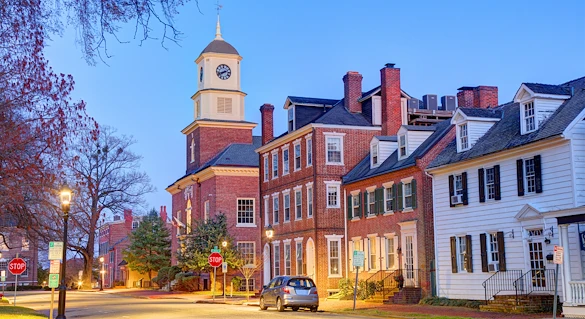
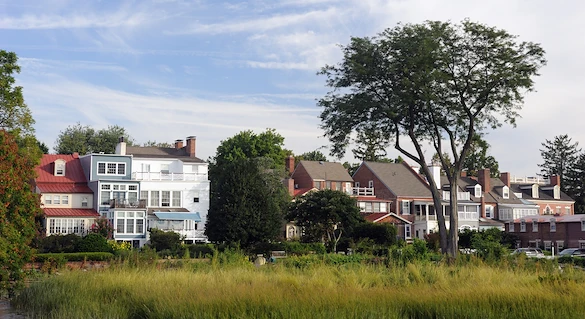
Delaware, known as “The First State,” offers a unique blend of coastal charm, tax-friendly living, and high-quality healthcare that makes it an appealing choice for seniors and their families. Though small in size, Delaware delivers a big lifestyle—whether you're drawn to the peaceful beaches of Rehoboth and Lewes, the historic ambiance of New Castle, or the vibrant cultural scene of Wilmington. With a moderate climate that includes all four seasons and a lower-than-average cost of living compared to neighboring states like Maryland and New Jersey, Delaware stands out as a retirement-friendly state with both affordability and accessibility.
Fast Facts
Senior Living & Care in Delaware
| #45 | most populated state in the U.S. |
| $6,000 | average monthly assisted living cost in Delaware |
| 400+ | assisted living communities and care providers across Delaware |
| 230K+ | individuals age 65+ in Delaware |
For older adults seeking senior care in Delaware, the state offers a welcoming and manageable pace of life. Many of its towns are pedestrian-friendly, with well-maintained parks, community centers, and recreational opportunities tailored to active adults. Seniors enjoy access to serene coastal boardwalks, farmers markets, and community events that create opportunities for social engagement and wellness. Whether you’re looking for assisted living in Dover, independent senior apartments in Newark, or skilled nursing facilities in Sussex County, Delaware has a range of senior living options that cater to different needs and budgets.
Healthcare is another reason Delaware is an excellent place to age. The state is home to several top-ranked hospitals and healthcare systems, including ChristianaCare, which is consistently recognized for its excellence in geriatric services and chronic disease management. With a relatively small population, residents often experience shorter wait times for medical appointments and more personalized care. Additionally, the state actively supports older adults through the Delaware Division of Services for Aging and Adults with Physical Disabilities (DSAAPD), offering resources like home- and community-based services, caregiver support, and financial assistance programs.
Delaware’s senior-friendly tax structure is also worth noting. There is no state sales tax, and Social Security benefits are not taxed. Seniors over 60 may also qualify for additional deductions on pensions and retirement income, making Delaware an especially attractive option for those on fixed incomes.
Whether you’re exploring memory care in coastal Delaware or looking for independent senior living near Wilmington, the state’s blend of natural beauty, accessible healthcare, financial perks, and supportive communities makes it an ideal place to enjoy retirement and find the right level of senior care.
Top Cities for Senior Living and Care in Delaware




Assisted Living in Delaware
Assisted living in Delaware offers seniors a supportive living environment that balances independence with personalized care. Designed for older adults who need some help with daily activities but do not require the intensive medical care of a nursing home, assisted living communities provide services such as help with bathing, dressing, grooming, medication management, housekeeping, transportation, and meal preparation. In addition to these core services, many communities foster social connection through recreational programming, wellness activities, and shared dining experiences.
Delaware’s assisted living facilities are regulated by the Delaware Division of Health Care Quality, which oversees licensing, inspections, and compliance to ensure residents receive safe and appropriate care. To be licensed, facilities must meet specific requirements related to staffing, resident assessments, emergency preparedness, and care planning. Delaware also requires assisted living facilities to offer individualized service plans and maintain resident rights to privacy, dignity, and autonomy. Facilities may be classified as providing either Level I or Level II services, with Level II offering more extensive support for residents who need additional help with mobility or medical oversight.
What sets assisted living in Delaware apart is the variety of care options available to suit different budgets and health needs. Seniors and their families can choose from a range of community types, including luxury residences with private suites and upscale amenities, budget-friendly options focused on essential care, and memory care units specifically designed to support individuals living with Alzheimer’s or other forms of dementia. Some communities are standalone assisted living residences, while others are part of larger continuing care retirement communities (CCRCs), offering a full spectrum of care as residents' needs change over time.
When evaluating assisted living options in Delaware, families should consider factors such as staff qualifications, staff-to-resident ratios, cleanliness, resident engagement, and overall atmosphere. Visiting a community, speaking with current residents and staff, and reviewing state inspection reports can help families make confident, informed decisions. Whether located in urban hubs like Wilmington or in more peaceful coastal or suburban areas, Delaware’s assisted living communities are designed to help older adults age with dignity, safety, and a sense of belonging.
Top Assisted Living Communities in Delaware
View All Providers
Cost of Assisted Living in Delaware
Several factors shape these price differences. Communities in urban areas often cost more due to demand and include amenities such as wellness programs, gourmet meals, and specialized memory care services. Memory care alone can add up to $1,000 extra per month. Facilities with strong reputations—excellent staff-to-resident ratios, modern safety features, and enriched programming—typically charge premium rates. Newer or luxury communities often cost more than budget-friendly options.
Funding options in Delaware include Medicaid's Diamond State Health Plan Plus (DSHP‑Plus), which covers personal care and supportive services in assisted living, though residents still must pay room and board. Veteran Aid & Attendance benefits may also offset eligible expenses. Additionally, state programs such as Medicaid waivers, prescription assistance, and Aging & Disability Resource Center services can help reduce care costs.
Overall, assisted living in Delaware is 33–50% more expensive than the national average, largely due to the higher cost of living and extensive senior services. However, families can find more affordable options in less urban areas or through shared accommodations. When evaluating options, it’s essential for families to compare not only sticker price but also level of care, included services, and financial assistance eligibility to find the best value.
What to Know About Assisted Living in Delaware
The average cost of assisted living in Delaware is approximately $6,000–$6,500 per month, making it one of the more expensive states for assisted living.
Delaware Medicaid generally does not cover room and board in assisted living, but it may help pay for personal care services for eligible seniors in approved settings.
No, Medicare does not pay for assisted living in Delaware or any other state.
To qualify for assisted living in Delaware, a person must need help with activities of daily living such as bathing, dressing, mobility, or medication management, but not require 24/7 skilled nursing care.
Independent Living in Delaware
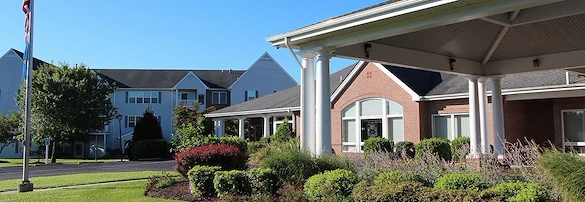
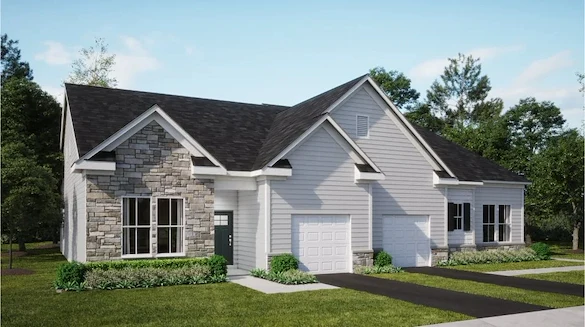
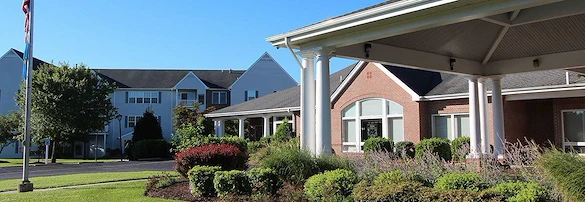
Independent living in Delaware offers older adults an attractive blend of freedom, community, and convenience, making it a popular choice for seniors who are active, independent, and seeking a maintenance-free lifestyle. Independent living communities are designed for individuals who do not require daily medical or personal care assistance but who benefit from the social environment, safety features, and amenities that senior-specific housing provides. Residents typically live in private apartments or cottages and enjoy services such as housekeeping, meal plans, transportation, and organized activities—all without the responsibilities of home maintenance or yard work.
Delaware is an especially appealing state for independent seniors due to its mild climate, scenic coastal towns, and senior-friendly tax policies. The state does not tax Social Security benefits and has relatively low property taxes, which can contribute to a more affordable retirement. Cities like Wilmington, Newark, and Dover offer a mix of urban convenience and suburban comfort, while coastal communities such as Rehoboth Beach and Lewes appeal to those who enjoy ocean views, nature trails, and a slower pace of life. Many of these areas have been recognized as retirement-friendly, offering a mix of walkability, access to cultural amenities, and proximity to top-rated healthcare facilities.
Independent living communities in Delaware often feature amenities such as fitness centers, arts and crafts rooms, libraries, and communal dining, fostering a sense of community and connection among residents. Scheduled outings, wellness programs, and on-site events further enhance the lifestyle. For seniors who want a safe, enriching environment without giving up their independence, these communities provide the best of both worlds. Additionally, many independent living communities are part of larger campuses that offer continuing care options, such as assisted living or skilled nursing, allowing for a smooth transition if care needs change over time.
Whether seniors prefer coastal charm, small-town friendliness, or the cultural offerings of larger cities, Delaware’s independent living options cater to a wide range of interests and lifestyles. With its affordability, quality of life, and active retirement culture, Delaware continues to be a top destination for seniors seeking independence with the peace of mind that comes from a supportive environment.
Top Independent Living Communities in Delaware
View All Providers-
3.5Verified
Harmony at Kent
1435 E Lebanon Road Dover, DE 19901
Independent LivingAssisted LivingMemory Care -
Not yet ratedVerified
Westminster Village Assisted Living
1167 McKee Rd Dover, DE 19904
Independent LivingAssisted Living -
4.1
Noble's Pond | Active Adult 55+
233 Cosmos Lane Dover, DE 19904
Active Adult LivingIndependent Living
Cost of Independent Living in Delaware
These costs typically cover private residence, utilities, housekeeping, dining plans, maintenance, and access to fitness, wellness, and social programs. Some communities also offer transportation, security, and emergency response services, providing peace of mind and a worry-free lifestyle.
Several factors influence pricing, including location, community features, and the level of amenities offered. For instance, communities in urban areas like Wilmington and Newark may have higher costs due to demand and include amenities such as wellness programs, gourmet meals, and specialized memory care services. Memory care alone can add up to $1,000 extra per month.
Financial assistance options for seniors in Delaware include Medicaid's Diamond State Health Plan Plus (DSHP‑Plus), which covers personal care and supportive services in assisted living, though residents still must pay room and board. Veteran Aid & Attendance benefits may also offset eligible expenses. Additionally, state programs such as Medicaid waivers, prescription assistance, and Aging & Disability Resource Center services can help reduce care costs.
Overall, independent living in Delaware provides seniors with a fulfilling lifestyle, offering a range of options to suit different budgets and preferences. By considering location, amenities, and financial assistance options, families can find the best fit for their loved ones.
What to Know About Independent Living in Delaware
Independent living in Delaware typically costs $2,700–$3,800 per month, depending on location, housing type, and amenities.
Independent living is designed for seniors age 55 or 62 and older who can live safely on their own without daily personal or medical assistance.
Pros include no state sales tax, favorable retirement tax benefits, and access to healthcare. Cons may include higher housing costs, humidity, and limited public transportation in some areas.
Independent living does not provide hands-on personal care or medical services, so seniors may need to move if their health needs increase.
Home Care in Delaware
Non-medical home care in Delaware plays a vital role in helping seniors maintain their independence while living in the comfort of their own homes. This type of care focuses on providing essential support with daily activities that do not require medical expertise, allowing seniors to continue living safely and comfortably. Common services include assistance with personal care tasks such as bathing, dressing, grooming, and toileting, as well as companionship to reduce loneliness and promote social engagement. Additionally, non-medical home care providers often help with household tasks like meal preparation, light housekeeping, laundry, and grocery shopping. Transportation support is another important service, helping seniors attend medical appointments, run errands, and participate in community activities.
In Delaware, non-medical home care agencies are regulated by the Delaware Health and Social Services (DHSS) to ensure safety and quality of care. Licensed agencies must follow strict state guidelines, including developing individualized care plans tailored to each client’s unique needs. Staff are required to undergo background checks and receive proper training to provide dependable and compassionate assistance. Moreover, agencies must maintain appropriate supervision to uphold high standards of service and protect the well-being of seniors receiving care. These regulations are designed to safeguard clients and ensure they receive respectful, professional support.
The demand for non-medical home care in Delaware has grown alongside the state’s aging population. To address this need, Delaware offers programs such as the Diamond State Health Plan Plus, which provides Medicaid recipients access to home care services, including personal care and household assistance. The Delaware Aging and Disability Resource Center (ADRC) also serves as a valuable resource for seniors and families, helping them find and navigate available care options. Overall, Delaware’s framework for non-medical home care combines personalized services with regulatory oversight to create a supportive environment that helps older adults thrive independently in their own homes.
Top Home Care in Delaware
View All Providers


Cost of Home Care Non-Medical in Delaware
Several factors contribute to the cost variations in non-medical home care. The number of care hours needed is a significant determinant; for instance, full-time care (24/7) will naturally incur higher costs compared to part-time assistance. Additionally, the choice between hiring an agency or a private caregiver can impact expenses. Agencies often charge higher rates due to overhead costs, administrative fees, and the provision of backup support, while private caregivers may offer more flexibility but might lack the same level of reliability and oversight.
Delaware offers several financial assistance options to help offset the costs of non-medical home care. The state's Medicaid Long-Term Services and Supports (LTSS) program provides coverage for eligible individuals, including services such as personal care assistance and household support. Eligibility for Medicaid in Delaware requires meeting specific income and asset criteria, which can vary based on marital status and other factors. Additionally, Delaware's Diamond State Health Plan Plus offers home and community-based services to qualifying individuals, further expanding access to necessary care.
For those not eligible for Medicaid, other financial avenues include long-term care insurance, which may cover non-medical home care services depending on the policy terms. It's important to review individual insurance plans to understand the extent of coverage. Additionally, some families explore private payment options, such as utilizing personal savings, home equity, or seeking assistance from family members to manage the costs of in-home care.
In summary, while non-medical home care in Delaware is slightly more affordable than the national average, costs can still be significant. Understanding the factors that influence pricing and exploring available financial assistance options can help families make informed decisions about securing appropriate care for their loved ones.
What to Know About Non Medical Home Care in Delaware
Non-medical home care is typically paid for out of pocket, through long-term care insurance, or through limited Medicaid programs for eligible seniors.
Home care in Delaware averages $28–$32 per hour, reflecting higher labor and cost-of-living expenses.
A non-medical caregiver assists with daily living tasks and companionship, such as bathing, meal preparation, transportation, and light housekeeping, without providing medical treatment.
Non-medical home care focuses on daily living support, while home health care provides skilled medical services such as nursing or therapy ordered by a physician.
Long-Term Care/Skilled Nursing in Delaware
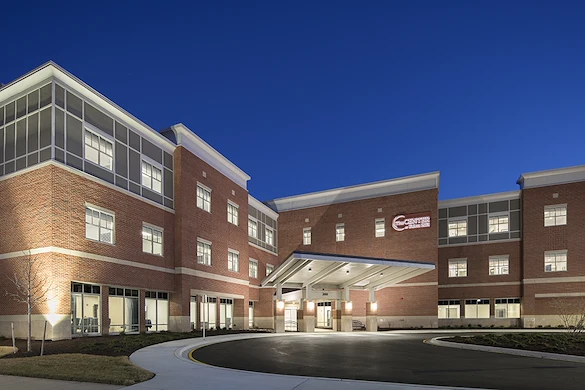
Long-term care in skilled nursing facilities (SNFs) in Delaware provides comprehensive support for seniors who require ongoing medical attention, rehabilitation, or assistance with daily living due to chronic health conditions, advanced age, or recovery after surgery or illness. These facilities are equipped to offer 24/7 licensed nursing care, medication management, wound care, IV therapy, and rehabilitative services such as physical, occupational, and speech therapy. Many SNFs in Delaware also provide specialized programs for individuals with Alzheimer’s disease and other forms of dementia, offering structured routines, secure environments, and staff trained in memory care techniques.
In Delaware, skilled nursing facilities are regulated by the Division of Health Care Quality within the Department of Health and Social Services (DHSS). This division oversees licensure, conducts annual inspections, and investigates complaints to ensure compliance with state and federal health and safety standards. Facilities must adhere to strict staffing requirements, maintain infection control protocols, and demonstrate quality-of-life measures that prioritize residents’ dignity, safety, and well-being. The state also requires facilities to post their most recent inspection reports, which are accessible to the public and can be used by families when researching care options.
Choosing the right skilled nursing facility in Delaware involves evaluating both the clinical capabilities and the overall quality of life provided. Families are encouraged to visit facilities in person, ask questions about staff qualifications and turnover rates, review care plans, and observe resident interactions. Online resources like Medicare’s Nursing Home Compare tool can help families assess facility ratings, health inspection histories, and staffing levels.
Delaware offers a range of skilled nursing options, including larger medical centers with advanced rehabilitation programs and smaller community-based facilities with a more personalized atmosphere. Whether a loved one needs long-term care or short-term recovery, the state’s skilled nursing facilities are designed to provide a supportive, medically supervised environment. With a strong regulatory framework and a focus on person-centered care, Delaware continues to be a reliable choice for families seeking high-quality long-term care for aging loved ones.
Top Long-Term Care/Skilled Nursing in Delaware
View All Providers-
5.0Verified
Center At Eden Hill, LLC
300 Banning Street Dover, DE 19904
Long-Term Care / Skilled NursingSkilled Rehabilitation -
3.0Verified
Complete Care At Silver Lake LLC
1080 Silver Lake Blvd Dover, DE 19904
Long-Term Care / Skilled NursingSkilled Rehabilitation -
4.0Verified
Westminster Village Health
1175 Mckee Road Dover, DE 19904
Long-Term Care / Skilled NursingSkilled Rehabilitation

Cost of Nursing Homes in Delaware
Several key factors influence these pricing differences. Facilities offering memory care, post-operative recovery, or extensive rehabilitation services generally charge more due to increased staffing requirements and specialized equipment. Reputation also plays a role: facilities with strong Medicare star ratings, robust recreational or culinary programs, or premium amenities like private suites command higher prices. Additionally, urban locations with higher operating costs contribute to elevated rates compared to rural counterparts.
Delaware seniors can offset these significant costs through a variety of financial assistance programs. Medicare provides coverage for up to 100 days of post-hospital skilled nursing care under Part A but does not cover long-term stays. For extended care, many rely on Delaware Medicaid, known as the Diamond State Health Plan Plus, which covers nursing home room, board, and skilled services in contracted facilities. Eligibility typically requires applicants to meet income and asset limits (e.g., assets under $2,000 and monthly income below about $2,358).
Other options include long-term care insurance policies and veteran benefits, which may cover rates above Medicaid caps. Those ineligible for institutional Medicaid can access in-home supports or Adult Day Care through Delaware’s Long Term Care Community Services (LTCCS) program. Additionally, some families supplement Medicaid coverage to secure private rooms, where permitted under state rules.
In summary, while Delaware’s skilled nursing costs are well above national averages—especially in cities like Dover and Wilmington—they reflect the high quality of care, staffing, and amenities provided. Understanding regional variances and leveraging financial aid options like Medicaid, Medicare, veteran benefits, and insurance is essential for families navigating these expenses.
What to Know About Nursing Homes in Delaware
Nursing home care in Delaware averages $10,000–$11,500 per month, depending on room type and location.
Medicare may cover short-term skilled nursing care after a qualifying hospital stay but does not cover long-term nursing home care.
No, Social Security does not directly pay for nursing home care, though benefits may help offset personal expenses.
Seniors often use personal savings to pay for nursing home care until they qualify for Medicaid, which has income and asset limits. Asset protection strategies may be available through advance planning.
Finding the Right Senior Care in Delaware
Delaware offers a wide range of senior living and care options, from independent and assisted living communities to in-home care and skilled nursing facilities, making it possible for older adults to find care that fits their needs and budget. While senior care costs in Delaware are higher than the national average, the state’s favorable tax policies, access to quality healthcare, and strong support programs can help offset expenses for many families. By understanding care options, financial assistance programs, and local resources, families can make confident decisions and find the right senior care solution in Delaware.
Frequently Asked Questions About Senior Living in Delaware
Senior living costs in Delaware range from $2,700 per month for independent living to over $11,000 per month for nursing home care, depending on care level.
Popular areas for seniors include Lewes, Rehoboth Beach, Newark, Middletown, and Dover, offering access to healthcare, walkability, and senior services.
Senior housing eligibility is typically based on age (55+ or 62+), income limits for subsidized housing, and the ability to live independently or with limited assistance.
The 80/20 rule allows 80% of homes in a 55+ community to be occupied by residents age 55 or older, while 20% may include younger residents, under federal housing guidelines.
Frequently Asked Questions About Senior Care in Delaware
The hourly rate for senior care in Delaware generally ranges from $28 to $35 per hour, depending on care type and location.
Senior living in Delaware typically costs $2,700–$6,500 per month, with higher costs for memory care and nursing home services.
No — Medicare does not pay for assisted living in Delaware or anywhere else in the United States. Medicare only covers medically necessary services such as hospital stays, short-term rehabilitation, and skilled nursing care after a qualifying hospital admission.
Yes, some family caregivers in Delaware may get paid through Medicaid-funded programs, Veterans benefits, or private arrangements, depending on eligibility.