Assisted Living With Pets Allowed: Keeping Daily Life Intact
Assisted living with pets allowed. Learn how assisted living with a dog supports dignity, routine, and emotional well-being.
If keeping your pet is a priority when evaluating assisted living, this page covers how pet-friendly communities are set up and what to look for.
Why Assisted Living With Pets Matters More Than People Realize
Your dog isn't a pet you happen to have. Your dog is part of how your day works, how you stay grounded, and who you are. The same goes for your cat. These aren't optional parts of life you can adjust away when circumstances change.
When you're evaluating assisted living options, the question of pets isn't something to figure out later. It's a threshold question that determines whether a community understands what matters.
Assisted living with pets allowed recognizes that needing help with certain tasks doesn't mean restructuring your entire life. It means getting support when it’s needed while keeping the routines, relationships, and rhythms that already work.
Your morning starts with feeding your dog, then taking a walk. That walk gets you outside, keeps you moving, and connects you with your community. Losing that routine doesn't just mean losing exercise. It means losing the structure that organizes your day.
Your cat sits with you in the evening. That presence isn't decorative. It's companionship that happens without effort, without scheduling, without performance. Removing that companionship because you need help with medication management makes no sense.
Pets provide continuity when other things are changing. If you're moving to assisted living because certain tasks have become difficult, your pet is one of the things that doesn't need to change. The feeding schedule stays the same. The walks continue. The companionship remains constant.
This matters for emotional stability. Change is disruptive even when necessary. Keeping the parts of life that provide comfort and routine makes adaptation easier. Your dog or cat doesn't care that you've moved. They care about the same things they always cared about: food, attention, and time with you.
Pets also maintain your sense of capability and purpose. You're responsible for another living being. You meet their needs. You make decisions about their care. That responsibility is an anchor that keeps you connected to the version of yourself who takes care of things.
Assisted Living With a Dog and the Importance of Routine
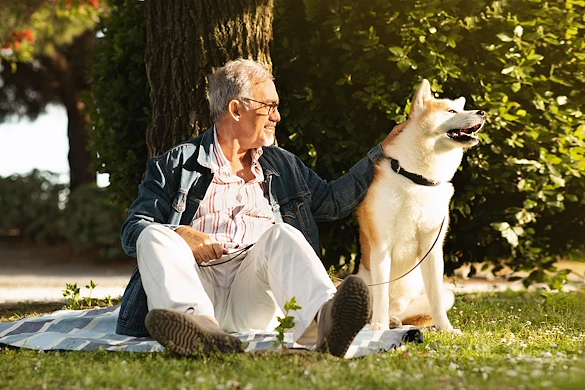
Dogs need structure. You need structure. Those needs align, which is why assisted living with a dog often works better than living situations where the dog had to be given up.
Morning walks create a consistent start to the day. You wake up, get dressed, and take your dog out. That sequence happens whether you feel motivated or not because your dog needs it. The walk provides movement, fresh air, and social interaction if you encounter other residents.
That routine matters more than it might appear. When you're receiving daily assistance with certain tasks, it's easy for days to blur together. Your dog's needs impose structure that you control. You're not being told to attend an activity or follow someone else's schedule. You're maintaining the pattern you established with your dog.
Feeding schedules work the same way. Your pet eats at specific times. You're responsible for making that happen. That responsibility provides purpose that exists independently of care services. You're still a person who takes care of their dog and happens to receive assistance with other things.
Dogs also facilitate social connection in ways that feel natural rather than orchestrated. Walking your dog means encountering other residents. Those interactions happen around the dog, which makes them lower pressure than formal social programming. You're both dog people. That's enough to start a conversation.
Dogs also facilitate social connection in ways that feel natural rather than orchestrated. Walking your dog means encountering other residents. Those interactions happen around the dog, which makes them lower pressure than formal social programming. You're both dog people. That's enough to start a conversation.
For people who find assisted living socially intimidating, a dog provides an identity beyond "new resident who needs help." You're the person with the golden retriever. You're the one whose terrier barks at squirrels.
Dogs require you to stay engaged with your environment. You notice the weather because it affects walks. You pay attention to outdoor spaces. You maintain awareness of your dog's health, behavior, and needs. That continued engagement keeps you present and active in ways that matter for overall well-being.
Assisted Living With Pets Without Giving Up Privacy or Control
One concern about assisted living with pets is whether staff will interfere with how you care for your animal. The relationship with your pet is personal. Having assistance with daily tasks doesn't mean you want assistance with your dog or cat.
Communities that handle this well understand the distinction. Staff might help with mobility or medication, but they're not managing your pet care unless you specifically request that help. Your relationship with your animal stays yours.
You maintain control over feeding schedules, veterinary decisions, and daily care routines. If you want to take your dog to a specific vet you've used for years, that continues. If your cat has particular dietary needs, you manage that. The assistance you receive doesn't extend to your pet unless you decide it should.
Some people do want help with certain pet-related tasks as physical abilities change. Walking a large dog might become difficult. Cleaning a litter box might require bending that's no longer comfortable.
Assisted living with pets that work offers help with these specific tasks when requested, while leaving the relationship itself untouched. Staff might accompany you on dog walks if you need mobility support. They might help with litter box maintenance if you ask. But they're supporting the continued care of your pet, not taking over.
Your privacy with your pet also matters. Your apartment is your space, and your pet lives there with you. Staff come in for scheduled care tasks, but the majority of your day is private time with your animal. The structure of assisted living doesn't mean constant presence.
This privacy allows the pet relationship to function normally. Your cat sleeps on your bed. Your dog settles at your feet while you read. These behaviors happen naturally in your private space.
Control over your pet's presence stays with you. If you want your dog with you during meals or social time, that's your decision. If you prefer your cat to stay in your apartment during certain activities, you make that choice.
How Pet-Friendly Assisted Living Protects Dignity
Dignity in assisted living comes from preserving identity, not from minimizing care needs. Needing help with bathing, dressing, or medication doesn't diminish dignity. Being forced to give up relationships and responsibilities that define you does.
Pet-friendly assisted living protects dignity by recognizing that people are more than the sum of their care requirements. You're a person who has a dog. That relationship existed before you needed assistance and continues to exist after. Respecting that continuity respects you.
Your daily life maintains elements that feel normal and self-directed, meaning you make decisions about your pet's care and maintain routines that you established. You have responsibilities that exist independently of staff schedules. These elements preserve the sense that your life is still your life, just with support added where needed.
Emotional well-being stays stronger when core relationships remain intact. The bond with your pet provides comfort, consistency, and unconditional positive regard. Those are fundamental emotional pillars that help you manage the changes that come with increased care needs, not luxuries.
Assisted living with pets also signals that the community understands real life. People have attachments that matter and routines that work. They have relationships that provide meaning. Care that ignores these realities isn't person-centered care. It's care that expects people to conform to institutional convenience.
Communities that allow pets are making a statement about their priorities. They're willing to accommodate the complexity of real lives. They're not asking you to simplify yourself down to care needs and medical requirements.
This approach affects how you experience receiving care. When assistance fits into your existing life rather than replacing it, accepting that assistance feels less like a loss and more like practical support. You're not giving up independence—you're getting help with specific tasks so you can continue doing what matters most to you.
The question when evaluating assisted living shouldn't be whether you can bring your pet. It should be whether the community understands why that question matters, and whether their policies reflect genuine respect for the lives people have built.
If a community treats pets as exceptions they reluctantly allow, that reveals their underlying attitude. If they treat pets as obvious parts of residents' lives that should be accommodated whenever possible, that reveals something different.
You can get the help you need without losing the things that make your life feel like yours. That's what assisted living with pets should mean. No permission granted. Recognition of reality.
If that's the kind of community you're looking for, this page can show you what that looks like in practice.