
About Arkansas
Arkansas offers a welcoming and affordable environment that makes it an attractive destination for seniors and families alike. Known for its mild climate with four distinct seasons, Arkansas provides a comfortable lifestyle for older adults who appreciate outdoor activities year-round. The state’s natural beauty—from the scenic Ozark and Ouachita Mountains to the peaceful lakes and rivers—offers seniors abundant opportunities to enjoy hiking, fishing, and boating, all within close reach of senior-friendly communities. These communities emphasize safety, social engagement, and accessibility, creating ideal settings for retirees seeking an active yet relaxed lifestyle.
Fast Facts
Senior Living & Care in Arkansas
| #34 | most populated state in the U.S. |
| $3,700 | average monthly assisted living cost in Arkansas |
| 400+ | assisted living communities and care providers across Arkansas |
| 540K+ | adults age 65+ in Arkansas |
One of Arkansas’s key appeals is its low cost of living, which ranks below the national average. This affordability extends to housing, healthcare, and daily expenses, allowing seniors to stretch their retirement dollars further without sacrificing quality of life. The state is home to a growing number of assisted living facilities, independent living communities, and skilled nursing centers that provide compassionate, high-quality care tailored to individual needs. Arkansas’s healthcare system includes reputable hospitals and specialized clinics, many of which are experienced in geriatric care, ensuring seniors have access to comprehensive medical services close to home.
Cultural activities also enrich the lives of older adults in Arkansas. From the vibrant arts scenes in Little Rock and Fayetteville to historic landmarks and festivals celebrating local heritage, seniors can easily find opportunities to stay socially connected and engaged. Many communities offer senior centers, recreational programs, and volunteer opportunities that foster a sense of belonging and purpose.
For families researching senior care in Arkansas, keywords such as “affordable senior living Arkansas,” “Arkansas assisted living facilities,” and “best nursing homes in Arkansas” often reflect their priorities in finding safe, supportive, and enriching environments for their loved ones. Whether seeking retirement-friendly cities or nature-filled retreats, Arkansas combines natural charm, affordability, and quality care to make it a great place for older adults to thrive.
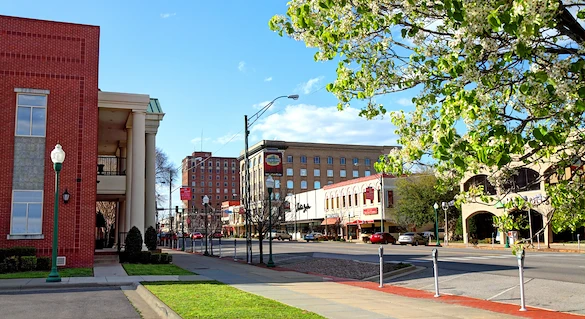
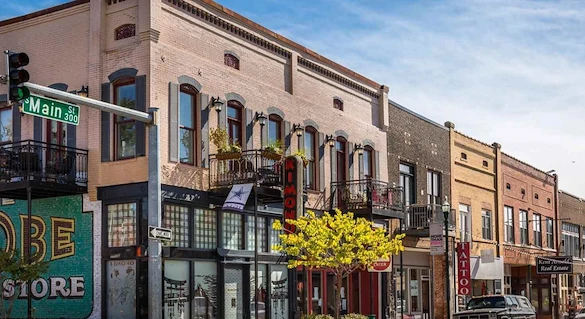
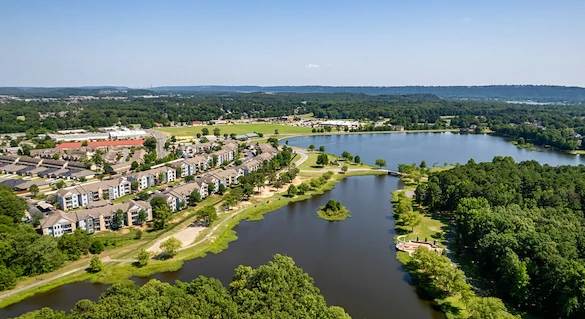
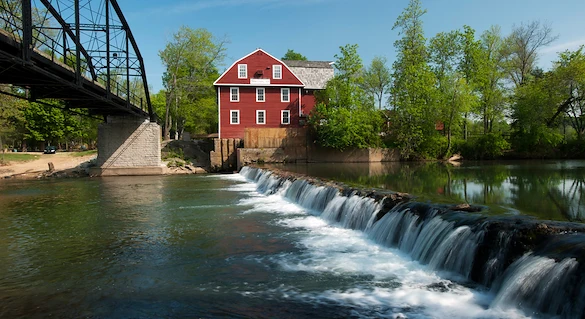
Top Cities for Senior Living and Care in Arkansas







Assisted Living in Arkansas
Assisted living in Arkansas offers a supportive living environment designed for seniors who need help with daily activities but do not require the intensive medical care provided by nursing homes. These communities focus on promoting independence and dignity while providing essential services such as assistance with bathing, dressing, medication management, mobility support, and meal preparation. Social engagement is also a key feature, with many facilities offering organized activities, outings, and communal dining to encourage social interaction and mental stimulation.
Arkansas assisted living facilities are regulated by the Arkansas Department of Human Services, Division of Medical Services, and the Office of Long-Term Care. The state classifies assisted living into two levels: Level I, which provides minimal assistance with daily living activities without nursing care, and Level II, which offers more comprehensive care including medication administration and nursing services. Facilities must undergo annual licensing renewal and inspections to ensure compliance with these regulations and maintain quality standards.
The variety of assisted living communities in Arkansas caters to different preferences and budgets. Luxury communities provide upscale amenities such as gourmet dining, spa services, and concierge care, creating a resort-like atmosphere. Budget-friendly options focus on essential services and comfortable living spaces without extra frills, making assisted living more accessible. Specialized memory care communities serve residents with Alzheimer’s disease and other dementias, offering secure environments and tailored programming to meet unique cognitive needs. Additionally, some communities are pet-friendly, recognizing the therapeutic value pets can provide.
When evaluating assisted living options in Arkansas, families should consider factors like location, cost, available services, staff qualifications, and community atmosphere. Visiting multiple facilities, reviewing state inspection reports, and speaking with staff and residents can help ensure the chosen community aligns with the loved one’s specific needs and preferences. Overall, assisted living in Arkansas offers a range of compassionate, person-centered care options designed to support seniors in maintaining a high quality of life within a safe and engaging environment.
Top Assisted Living Communities in Arkansas
View All Providers-
4.9Verified
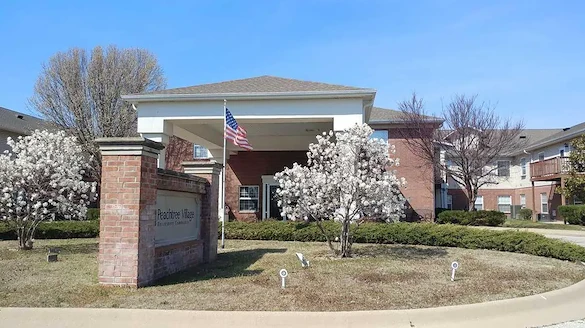
Peachtree Village Fort Smith
1500 Fresno Street Fort Smith, AR 72901
Assisted LivingRespite Care -
-
3.4Verified
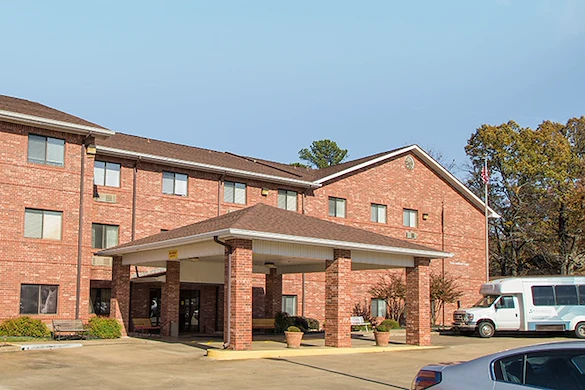
Methodist Village Senior Living - The Village
7811 Euper Lane Fort Smith, AR 72903
Independent LivingAssisted LivingMemory CareLow Income / Affordable
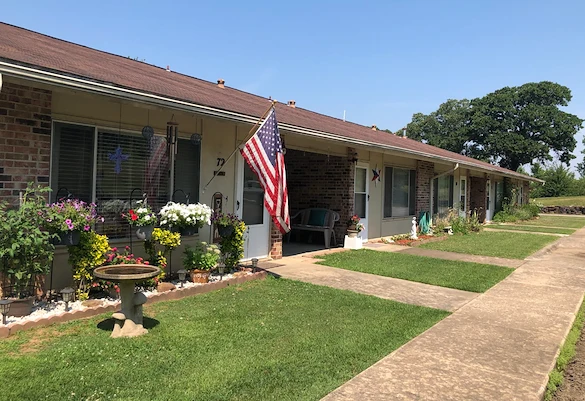
Cost of Assisted Living in Arkansas
Several factors influence the cost of assisted living in Arkansas. Location plays a significant role, with urban areas typically commanding higher prices due to increased demand and a wider range of amenities. The level of care required also affects costs, as residents needing specialized services like memory care often face additional fees. Amenities and services offered by the community, such as upscale facilities or extensive social programs, can further increase the monthly rates. Additionally, facilities with a strong reputation for quality care and established track records tend to charge premium prices, reflecting the value of their expertise and service quality.
To assist with costs, Arkansas provides financial aid through programs like the Living Choices Assisted Living Waiver. This Medicaid waiver is designed for seniors aged 65 and older, as well as adults with physical disabilities, who are at risk of nursing home placement. It covers services such as personal care, medication management, and supervision, though it does not cover room and board expenses.
Additionally, veterans may be eligible for benefits through the U.S. Department of Veterans Affairs, which can help offset the costs of assisted living. Eligibility and benefit amounts vary based on service history and disability status.
In summary, Arkansas offers a range of assisted living options at competitive prices compared to national averages. Families should consider factors like location, level of care needed, and available financial assistance when evaluating the best options for their loved ones.
What to Know About Assisted Living in Arkansas
Assisted living in Arkansas typically costs $3,000–$4,000 per month, which is well below the national average.
No. Medicare does not cover assisted living, including room and board.
Seniors who require assistance with activities of daily living (ADLs) but do not need 24/7 skilled nursing care typically qualify.
Most families pay through private funds, retirement income, home sales, long-term care insurance, Veterans benefits, or Medicaid waiver programs.
Independent Living in Arkansas
Independent living communities in Arkansas offer a vibrant and supportive environment for seniors who value independence while seeking a maintenance-free lifestyle. These communities provide private residences with services such as housekeeping, transportation, and recreational activities, allowing residents to focus on enjoying their retirement years without the burdens of home maintenance. Residents often have access to amenities like fitness centers, libraries, and communal dining areas, fostering a sense of community and engagement.
Arkansas boasts several retirement-friendly cities that cater to the needs and preferences of active seniors. Hot Springs, renowned for its natural thermal springs, offers a tranquil setting with opportunities for relaxation and wellness. The city's historic downtown area features charming shops, restaurants, and art galleries, creating a vibrant atmosphere for retirees to explore. Additionally, Hot Springs provides access to outdoor activities such as hiking and fishing, enhancing the overall quality of life for its residents.
Fayetteville and Bentonville in Northwest Arkansas are also attractive options for retirees. These cities offer a blend of natural beauty, a strong sense of community, and a lively cultural scene. Fayetteville is home to the University of Arkansas, contributing to a vibrant and diverse atmosphere with numerous cultural and educational opportunities for retirees. Bentonville, known for its world-class Crystal Bridges Museum of American Art, provides access to a rich collection of art and cultural exhibitions.
The state's mild climate further enhances its appeal for retirees. Cities like Little Rock enjoy approximately 217 days of sunshine annually, allowing for year-round outdoor activities. The moderate temperatures and low humidity levels contribute to a comfortable living environment, making it easier for seniors to remain active and engaged in various pursuits.
In summary, independent living communities in Arkansas provide seniors with the opportunity to enjoy an active and fulfilling lifestyle in a supportive environment. The state's affordable living costs, favorable climate, and vibrant communities make it an appealing choice for retirees seeking a balance of independence and support.
Top Independent Living Communities in Arkansas
View All Providers-
3.4Verified
Methodist Village Senior Living - The Village
7811 Euper Lane Fort Smith, AR 72903
Independent LivingAssisted LivingMemory CareLow Income / Affordable -
-
4.8
Brookfield Senior Living
2300 Fianna Oaks Dr Fort Smith, AR 72908
Independent LivingAssisted LivingRespite Care
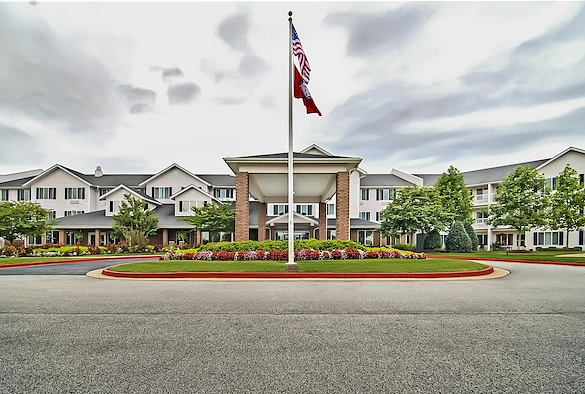
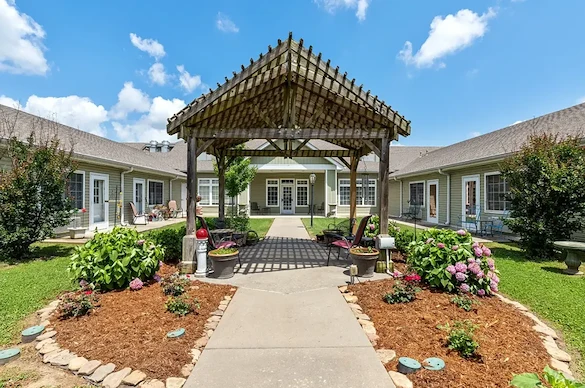
Cost of Independent Living in Arkansas
Several factors influence pricing. Community location—urban vs. rural—has a direct effect, as does the level of amenities (fitness centers, clubhouses), meal plans, social programming, and housing types. Newly built or recently renovated communities may command higher costs, while established facilities with fewer premium features can offer more budget-friendly options.
For seniors seeking financial support, several resources can offset costs. Long-term care insurance often covers assisted-living components of independent living. Veterans and surviving spouses may qualify for pension benefits or the Aid and Attendance program. Additionally, Arkansas offers state-funded options like Medicaid waivers (e.g., the ARChoices waiver) that may subsidize in-home or community-based services, helping individuals remain independent while reducing out-of-pocket expenses. Prospective residents are advised to ask communities for detailed fee schedules, precisely outlining what is—and isn’t—included, and to explore available financial assistance programs to make informed decisions about affordable independent living in Arkansas.
What to Know About Independent Living in Arkansas
Residents are typically 55+ or 62+ and must be able to live independently without daily personal care assistance.
Independent living does not provide medical or personal care services, meaning residents may need to transition if health declines.
Living independently means managing daily activities such as bathing, dressing, meal preparation, and medication without routine assistance.
Home Care in Arkansas
Non‑medical home care in Arkansas plays a vital role in helping seniors maintain independence and remain in their own homes by providing essential day‑to‑day support. At its core, non‑medical home care includes services such as assistance with bathing, dressing, grooming, medication reminders, meal preparation, light housekeeping, laundry, and transportation. Companionship is also a key component—friendly visits, conversations, and accompaniment to errands or activities support emotional well‑being and reduce social isolation. In Arkansas, home care agencies must follow state licensure requirements set by the Arkansas Department of Health and Human Services, which include background checks for caregivers, minimum training standards, and regular inspections to ensure that agencies comply with health and safety regulations. These state‑specific certifications help families feel confident that qualified caregivers are delivering dependable, regulated care in their loved ones' homes.
Arkansas’s geography and rural population density present unique challenges and opportunities for non‑medical home care availability. In urban centers like Little Rock, Fayetteville, and Jonesboro, families will find a wide range of agency‑based providers offering flexible hourly care, overnight support, and live‑in services. In more remote areas and the Arkansas Delta, shortages of trained caregivers can limit options, and families may need to explore private-pay caregivers or telephonic care coordination. Fortunately, home health agencies in Arkansas often offer hybrid care plans, combining in‑home assistance with tele‑care visits to extend coverage across wider regions.
This type of in‑home care is an ideal solution for seniors who require support with everyday tasks but do not need full-time medical supervision. It allows retirees to age in place, maintain familiar routines, and stay connected with their communities. Arkansas families exploring non‑medical home care should evaluate providers based on caregiver qualifications, agency reputation, service flexibility, and pricing models—whether by the hour, shift, or live‑in rate.
Financial support may be available through the Arkansas Medicaid waiver program (for those who qualify), veterans’ Aid & Attendance benefits, or long‑term care insurance policies that cover non‑medical assistance. By blending home‑based care with state regulation and support programs, Arkansas empowers seniors to live with dignity, independence, and peace of mind—even as their needs evolve.
Top Home Care in Arkansas
View All Providers-
4.6Verified
Visiting Angels - Fort Smith
200 N Greenwood Ave #3 Fort Smith, AR 72901
Home Care (Non-Medical) -
5.0Verified
Cornerstone Caregiving - Fort Smith
2301 S 56th St, Ste 103 Fort Smith, AR 72903
Home Care (Non-Medical) -
Not yet rated
Elite Community-Based Services Fort Smith
2910 Jenny Lind Road Fort Smith, AR 72903
Home Care (Non-Medical)



Cost of Home Care Non-Medical in Arkansas
Several key factors influence the overall cost of non-medical home care in Arkansas. First, the total number of care hours directly impacts monthly expenses—recurring daily care accrues significantly faster than weekly check-ins. Second, the level of services needed—such as medication reminders, meal preparation, personal care assistance, or light housekeeping—affects pricing, with higher acuity or complex needs incurring premium charges. Third, geographic location plays a major role: metropolitan areas tend to command higher caregiver wages, increased liability insurance, and administrative overhead, all contributing to elevated rates. Lastly, agency reputation and service flexibility can raise fees; premium providers offering bilingual caregivers, specialty training, or “live-in” options will charge more, though often deliver higher quality and reliability.
For Arkansas seniors and their families, several financial help options can alleviate costs. The Arkansas Medicaid Home and Community-Based Services (HCBS) Waiver can subsidize part-time home care for eligible adults, enabling them to receive non-medical support at minimal cost. Veterans and their surviving spouses may qualify for Aid and Attendance benefits to offset home care expenses. Additionally, many long-term care insurance policies purchased before need coverage may reimburse approved home health services. Finally, Arkansas' aging services division offers state-funded respite care grants that assist caregivers in short-term staffing needs. With these resources, Arkansas seniors can access essential in-home care while managing financial stress and preserving quality of life.
What to Know About Non Medical Home Care in Arkansas
Non-medical home care is typically paid out of pocket, through long-term care insurance, or via Medicaid waiver programs for eligible seniors.
Yes. Through programs such as ARChoices, eligible seniors may participate in consumer-directed services that allow family caregivers to receive compensation.
A non-medical caregiver provides assistance with daily tasks such as bathing, dressing, meal preparation, light housekeeping, and companionship.
In-home care in Arkansas typically costs $18–$25 per hour, depending on services and location.
Long-Term Care/Skilled Nursing in Arkansas
Long-term care in skilled nursing facilities in Arkansas provides essential medical and personal support for seniors who require around-the-clock care. These facilities offer a range of services, including 24/7 nursing supervision, medication management, physical and occupational rehabilitation, and specialized care such as memory support for residents with Alzheimer’s or dementia. Skilled nursing homes also assist residents recovering from surgeries or serious illnesses, providing therapies and medical monitoring tailored to individual recovery needs.
In Arkansas, skilled nursing facilities are regulated by the Arkansas Department of Human Services’ Office of Long Term Care (OLTC). This agency enforces state and federal regulations designed to ensure safety, quality care, and residents’ rights. Facilities must maintain proper staffing levels to meet residents’ needs and undergo regular inspections to comply with health and safety standards. Arkansas law requires nursing homes to assess each resident’s care needs and deliver appropriate services, which may include one-on-one care when medically necessary.
Families looking for skilled nursing options in Arkansas can access several resources to evaluate quality and suitability. The OLTC website provides inspection reports, complaint histories, and licensing information for nursing homes statewide. Additionally, the Arkansas Health Care Association offers a facility locator tool to help families find licensed nursing homes near them. The federal Nursing Home Compare website also provides ratings based on health inspections, staffing, and quality measures, helping families make informed decisions.
When choosing a skilled nursing facility in Arkansas, families should consider factors such as the facility’s reputation, range of services offered, staff qualifications, and resident satisfaction. Visiting facilities, asking about staff-to-resident ratios, and reviewing state inspection results can provide valuable insights. Overall, Arkansas’s skilled nursing homes aim to provide compassionate, comprehensive care that supports residents’ health, comfort, and dignity in a safe and supportive environment.
Top Long-Term Care/Skilled Nursing in Arkansas
View All Providers-
2.0Verified
Riverside Health Services
1008 Arkansas Street Arkoma, OK 74901
Long-Term Care / Skilled NursingSkilled Rehabilitation -
2.0Verified
The Blossoms At Fort Smith Rehab & Nursing
5301 Wheeler Avenue Fort Smith, AR 72901
Long-Term Care / Skilled NursingSkilled Rehabilitation -
3.0Verified
Fianna Hills Nursing And Rehabilitation Center
8411 South 28th Street Fort Smith, AR 72908
Long-Term Care / Skilled NursingSkilled Rehabilitation
Cost of Nursing Homes in Arkansas
Several key factors influence pricing in Arkansas skilled nursing facilities. The level of medical care required by the resident plays a major role—facilities providing complex nursing care, physical therapy, or specialized memory care typically charge more. Additionally, the facility’s reputation, quality ratings, and range of amenities—such as private dining areas, wellness programs, or private suites—can drive costs upward. Families should carefully consider these factors and balance quality of care with affordability when exploring skilled nursing options.
Fortunately, there are financial assistance programs available to help ease the cost burden. Arkansas Medicaid provides coverage for eligible low-income seniors requiring long-term nursing care, often covering many services in certified facilities. Medicare primarily covers short-term skilled nursing stays following hospitalization, but may not cover extended long-term care. Veterans and their families may be eligible for benefits through the U.S. Department of Veterans Affairs, which can help offset expenses for qualified individuals. Additionally, some seniors use long-term care insurance policies that may cover skilled nursing costs depending on the terms of their coverage. It’s recommended that families work with financial advisors or elder care specialists to understand eligibility criteria and maximize available support. Taking these steps can help ensure that seniors in Arkansas receive high-quality skilled nursing care while managing the financial impact effectively.
What to Know About Nursing Homes in Arkansas
Nursing home care averages $5,000–$6,000 per month, depending on room type and facility.
Common complaints include staffing shortages, response times, and communication issues.
Check Medicare ratings, review state inspection reports, tour the facility, and speak with current residents and families.
Medicare only covers short-term skilled nursing care following a qualifying hospital stay.
Finding the Right Senior Care in Arkansas
Arkansas is one of the most affordable states for senior living and long-term care, offering independent living, assisted living, in-home services, memory care, and skilled nursing options at costs below the national average. With programs such as Arkansas Medicaid and ARChoices supporting eligible seniors, families have access to financial assistance that can help reduce long-term care expenses. Cities like Little Rock, Fort Smith, and Hot Springs provide a range of licensed and regulated senior living communities throughout the state.
By understanding care levels, eligibility requirements, and available state programs, families can confidently navigate senior care decisions in Arkansas. Whether aging in place with home-based services or transitioning into assisted living or nursing care, Arkansas offers affordable, supportive environments designed to promote independence, dignity, and quality of life for older adults.
Frequently Asked Questions About Senior Living in Arkansas
Yes. Arkansas offers affordable housing, lower taxes, and below-average senior care costs, making it attractive for retirees.
Aging in place with part-time home care or qualifying for subsidized senior housing is often the most affordable option.
Yes. Arkansas has several 55+ and active adult communities, especially near Little Rock and Northwest Arkansas.
Benefits may include Medicaid coverage, prescription assistance, nutrition programs, property tax relief, and home-based support services.
Frequently Asked Questions About Senior Care in Arkansas
Yes. Arkansas Medicaid and waiver programs provide coverage for eligible seniors requiring nursing home or in-home services.