Aging Well, simplified: Small Habits for Big Health Wins
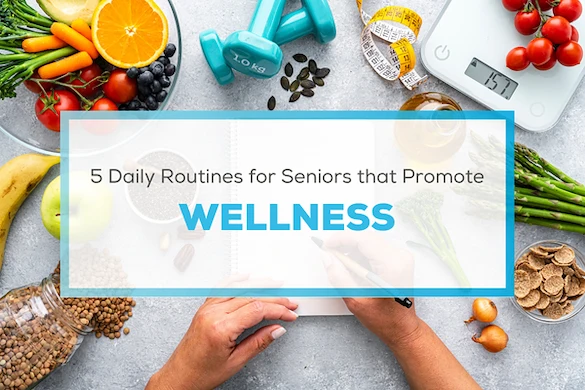
Aging well doesn’t mean overhauling your entire lifestyle. In fact, some of the most powerful improvements to your health and well-being come from small, consistent actions that are easy to maintain. Whether you're entering retirement or well into your golden years, simple habits can help you stay sharp, independent, and full of life. The key is progress, not perfection.

Below are five easy-to-adopt habits that can make a big difference in how you feel physically, emotionally, and mentally, starting today.
1. Stay Moving, Even Just a Little

Movement is medicine at every age.
Even modest physical activity can increase energy, reduce pain, and improve mood. You don’t need a gym membership or intense workout routine. You just need to keep your body in motion:
- Take 10-minute walks: A short daily walk can lower blood pressure, improve circulation, and provide a boost of fresh air.
- Try gentle stretching or chair yoga: These can be done at home and improve flexibility, balance, and reduce stiffness.
- Stand up once an hour: If you’re sitting for long periods, set a timer to remind you to stand, stretch, or walk around the room.
Keeping your body active supports mobility, reduces your risk of falls, and can even help you sleep better at night.
2. Feed Your Body (& Brain) Well

Nutritious choices fuel your energy, memory, and overall health.
You don’t have to follow a complicated diet to feel better. A few thoughtful swaps and additions can go a long way:
- Add one colorful veggie a day: Aim for a variety of red, green, orange, and purple produce to get a range of nutrients.
- Drink more water: Dehydration can cause confusion, fatigue, and even balance issues. Aim for 6–8 glasses a day.
- Choose whole foods over processed snacks: Replace packaged foods with wholesome alternatives like fruit, yogurt, or nuts.
Over time, these choices support stronger bones, sharper minds, stable blood sugar, and better digestion. And they’re easy to build into your daily routine.
3. Stay Connected, Not Isolated

Social connection is a key pillar of healthy aging.
Loneliness can have serious effects on both physical and mental health. Thankfully, it doesn’t take much to feel more connected:
- Call or video chat with loved ones weekly: Set up a regular time to connect with friends or family.
- Join a local group or class: Senior centers often offer low- or no-cost classes in crafts, fitness, or lifelong learning.
- Volunteer or offer help in small ways: Helping others can give your days structure and your life meaning.
Just one or two meaningful connections each week can help reduce depression, lower the risk of cognitive decline, and build a stronger sense of purpose.
4. Protect Your Mind with Mental Mini-Workouts
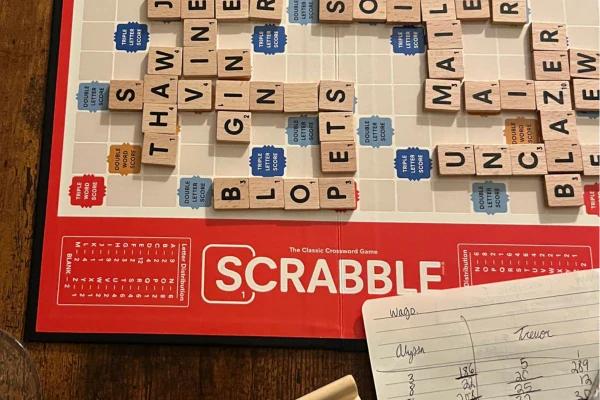
Keeping your brain active is just as important as exercising your body.
Think of your brain as a muscle that thrives on challenge and variety. Mental fitness can be fun, too:
- Read something new every day: Fiction, non-fiction, poetry, even a new recipe can expand your mind.
- Try puzzles or games: Engage with crosswords, Sudoku, trivia apps, or card games with friends.
- Learn a new skill: Pick up a hobby you’ve always been curious about, like painting, playing an instrument, or using technology.
Regular mental stimulation supports memory, improves focus, and enhances decision-making skills, important for maintaining independence.
5. Set Up for Safety and Sleep

Your environment and evening routine matter.
A safe, calming space and good sleep hygiene are essential for overall health and peace of mind:
- Add night lights and remove trip hazards: Rugs, cords, and clutter are common culprits for falls. Light your path to the bathroom or kitchen at night.
- Stick to a calming bedtime routine: Avoid screens an hour before bed, enjoy a warm, non-caffeinated drink, and create a quiet, dark environment.
- Aim for consistency: Going to bed and waking up at the same time helps regulate your internal clock.
Better sleep contributes to improved memory, stronger immunity, and better mood regulation. A safe home reduces worry and supports independent living.
Conclusion
Start Small, Feel Better
Aging well doesn’t require perfection. It requires intention. Choose one habit from this list that feels doable and start there. Maybe it’s a walk around the block, a call to a friend, or swapping a snack for something more nourishing. The most important thing is to begin.
With consistency, these small wins add up, to greater energy, improved mood, and a stronger sense of independence.
Looking for more senior wellness tips? Explore expert advice, community insights, and local senior living options at Senior Care Finder.