
About Oklahoma
Oklahoma offers a welcoming blend of Midwestern charm and Southern hospitality, making it an appealing place for older adults and their families to call home. With its affordable cost of living, mild climate, and strong sense of community, Oklahoma provides a quality of life that many seniors seek when planning for their retirement years.
Fast Facts
Senior Living & Care in Oklahoma
| #28 | most populated state in the U.S. |
| $3,800 | average monthly assisted living cost in Oklahoma |
| 600+ | assisted living communities and care providers across Oklahoma |
| 670K+ | adults age 65+ in Oklahoma |
One of the biggest draws for seniors is Oklahoma’s low cost of living, which is well below the national average. Housing, groceries, transportation, and healthcare are all more affordable here, making the state an attractive option for retirees living on fixed incomes or looking to stretch their savings. Whether in vibrant cities like Oklahoma City or Tulsa, or smaller towns like Edmond, Norman, or Lawton, seniors can find a variety of comfortable living options that suit their lifestyle and budget.
Oklahoma’s climate features four distinct seasons, with plenty of sunshine throughout the year and relatively mild winters compared to northern states. For active older adults, this creates opportunities to enjoy the outdoors year-round. The state is home to dozens of parks, lakes, and recreational areas, including Lake Hefner, Oxley Nature Center, and the Wichita Mountains Wildlife Refuge, which are ideal for walking, fishing, birdwatching, and other low-impact activities.
Culturally, Oklahoma offers a rich mix of history, arts, and community festivals. Seniors can explore museums, music venues, Native American heritage centers, and local theaters that reflect the state’s diverse roots. Many cities host senior centers and age-friendly community programs, promoting social connections and lifelong learning opportunities.
Healthcare access is another key strength. Oklahoma has several top-rated hospitals and medical centers, such as OU Health, INTEGRIS Health, and Saint Francis Health System, along with numerous specialists and primary care providers who serve older adults. The state also offers a range of senior care services, including assisted living, non-medical home care, memory care, and skilled nursing, making it easier for families to plan for changing care needs.
Whether you're seeking an active retirement, closer connections with family, or a more manageable cost of living, Oklahoma is a senior-friendly state with much to offer. Its blend of nature, affordability, and community support creates a strong foundation for aging well.
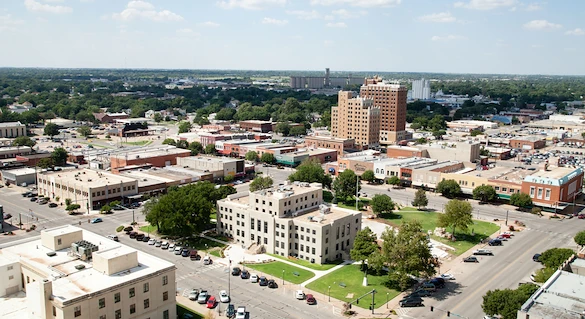
Top Cities for Senior Living and Care in Oklahoma







Assisted Living in Oklahoma
Assisted living in Oklahoma offers a supportive, community-based environment for older adults who need help with daily tasks but do not require 24/7 medical care. These communities are designed to promote independence while providing assistance with activities such as bathing, dressing, grooming, medication management, and meal preparation. In addition to personal care, many assisted living facilities in Oklahoma offer housekeeping, laundry services, transportation, wellness programs, and social engagement opportunities that help residents maintain an active and fulfilling lifestyle.
Oklahoma’s assisted living facilities are regulated by the Oklahoma State Department of Health, which oversees licensing, staffing requirements, and resident safety. Facilities must meet specific standards related to care planning, medication administration, and staff training to ensure high-quality service. Oklahoma also distinguishes between two types of licensed communities: assisted living centers and residential care homes. Assisted living centers typically offer a broader range of services and more comprehensive care, while residential care homes provide a more home-like setting with limited assistance.
What makes assisted living in Oklahoma unique is the diversity of community options available across the state. Families can choose from large, resort-style campuses with luxury amenities to smaller, more affordable communities in quieter settings. Many communities also specialize in memory care, offering secure environments and trained staff to support individuals with Alzheimer’s or other forms of dementia. Oklahoma’s relatively low cost of living allows families to access quality care at more affordable rates compared to many other states, especially in cities like Tulsa, Norman, and Lawton.
When evaluating assisted living communities in Oklahoma, families should consider the level of care needed, staff-to-resident ratios, the community’s atmosphere, and proximity to family or medical providers. Touring several facilities, reading state inspection reports, and reviewing resident satisfaction ratings can help families make an informed decision. Additionally, many communities in Oklahoma offer trial stays or respite care, giving families the chance to experience the environment before making a long-term commitment.
Overall, assisted living in Oklahoma blends personalized support with independence, making it a strong option for older adults seeking a safe, engaging, and comfortable place to live.
Top Assisted Living Communities in Oklahoma
View All Providers-
-
-
Not yet ratedVerified
Heaven House Treadwell
3420 Treadwell Drive Oklahoma City, OK 73112
Assisted Living
Cost of Assisted Living in Oklahoma
In 2025, the average cost of assisted living in Oklahoma is approximately $4,888 per month, placing the state below the national median of around $5,350 per month. This positions Oklahoma as an appealing option for families seeking quality care at more affordable rates.
Several factors influence pricing. The level of care is a major driver—seniors needing memory care, medication assistance, or mobility support may pay 20–30% more due to increased staffing and specialized programming. Room type also affects cost; private suites generally carry higher monthly rates than shared or semi-private accommodations. Additionally, communities offering enhanced amenities—such as wellness centers, enriched dining options, concierge services, or apartment-style living—often charge premium fees. Location also matters: communities in urban or highly rated areas typically have higher operating costs.
Fortunately, Oklahoma families have access to several financial support options. Oklahoma’s Medicaid ADvantage Waiver (a Medicaid HCBS program) may cover services like personal care and meal support in an assisted living community—for eligible seniors—though room and board are not included. Veterans and surviving spouses may qualify for Aid & Attendance benefits, which can help cover ongoing assisted living expenses. In addition, many people with long-term care insurance can apply their benefits toward assisted living costs, depending on policy terms.
Understanding these statewide and regional price differences—and what drives them—can help families make an informed decision about assisted living in Oklahoma. By comparing care levels, location-based pricing, and available financial aid, families can find a community that balances affordability with quality, independence, and comfort.
What to Know About Assisted Living in Oklahoma
Assisted living in Oklahoma typically costs $3,200–$4,200 per month, which is below the national average.
No. Medicare does not cover assisted living, including room and board.
Families should assess care needs, tour licensed facilities, review pricing, and coordinate with a physician if necessary to determine eligibility.
Seniors with limited income may qualify for Medicaid waiver programs or subsidized housing options to help cover care costs.
Independent Living in Oklahoma
Independent living in Oklahoma is ideal for older adults who want to enjoy a low-maintenance lifestyle while staying active, social, and self-sufficient. These communities are designed for seniors who do not need daily medical care but appreciate the convenience, security, and amenities that support healthy aging and vibrant living.
Independent living communities typically offer private apartments or cottages, with services such as home maintenance, housekeeping, laundry, and meal plans included in the monthly rent. Many also feature on-site fitness centers, walking trails, libraries, salons, and community rooms for events and gatherings. Residents enjoy a calendar full of social activities, educational programs, group outings, and clubs, making it easy to build friendships and stay connected.
Oklahoma’s affordable cost of living, scenic open spaces, and warm sense of community make it a great option for independent seniors. The state offers a relatively mild climate with over 230 sunny days per year, allowing for year-round outdoor recreation. Cities like Norman, Edmond, Stillwater, and Bartlesville are known for their safety, walkability, and small-town charm—ideal settings for active retirees. Oklahoma City and Tulsa, meanwhile, offer a more urban lifestyle with access to cultural attractions, healthcare networks, and senior-friendly neighborhoods.
Independent living in Oklahoma suits older adults who want to right-size their home, reduce responsibilities, and focus on enjoying life. Without the stress of yardwork, home repairs, or utility management, residents have more time to travel, volunteer, explore hobbies, and spend time with loved ones.
Although medical services are not typically provided in independent living, many communities are located near hospitals, clinics, and senior service providers, ensuring peace of mind for residents and families alike. Some communities also offer transitional support or are part of a larger continuum of care, allowing for easy access to assisted living or memory care services if needs change over time.
With its welcoming atmosphere, manageable pace of life, and diverse living options, Oklahoma continues to attract seniors who want freedom, connection, and comfort in their retirement years.
Top Independent Living Communities in Oklahoma
View All Providers-
-
3.0Verified
Berrywood Terrace
4301 S. Bryant Ave. Oklahoma City, OK 73115
Active Adult LivingIndependent Living -
4.3Verified
Homestead of Del City
5020 SE 44th St Oklahoma City, OK 73135
Independent LivingAssisted LivingMemory Care
Cost of Independent Living in Oklahoma
Monthly fees typically include rent (in apartments, cottages, or villas), utilities (often excluding cable and phone), housekeeping, and access to community amenities such as fitness centers, dining venues, transportation services, social and educational programs. Some communities may offer optional meal plans or entrance fees, especially in Continuing Care Retirement Communities (CCRCs), which allow residents to transition easily into assisted living or memory care if needed.
Several factors influence pricing. Location plays a major role, with larger cities like Oklahoma City commanding higher rates than smaller towns. Housing size and type—such as private cottages versus apartment units—affect monthly costs. Amenities like spa services, wellness programs, gardens, and on-site enrichment activities also add value and may increase pricing. Finally, community size and contract type matter: larger campuses might charge through entrance fees, while smaller boutique communities often offer more personalized care with flexible pricing.
Though independent living generally does not qualify for Medicaid or Medicare funding, seniors in Oklahoma have several financial tools at their disposal. These include personal savings, retirement accounts, reverse mortgages, and Aid & Attendance benefits for veterans or surviving spouses. Some communities also offer entrance fee refund options, giving residents control and flexibility over long-term financial decisions.
With a lower cost of living, community-focused cities, and diverse housing options, Oklahoma presents independent living options that often blend affordability, social connection, and low-maintenance lifestyles. For seniors who value freedom and activity without the burdens of upkeep, Oklahoma remains a smart, livable choice.
What to Know About Independent Living in Oklahoma
Independent living typically costs $1,800–$2,800 per month.
Residents are generally 55+ or 62+ and must be able to live independently without daily personal care.
Most independent living communities in Oklahoma charge $1,800–$2,800 monthly, depending on amenities.
No. Medicare does not pay for assisted living housing or custodial care services.
Home Care in Oklahoma
Non-medical home care in Oklahoma provides essential support for seniors who wish to age in place. This type of care focuses on helping older adults remain safe and comfortable at home by offering assistance with daily tasks—without the need for skilled nursing services.
Common services include help with bathing, dressing, grooming, meal preparation, light housekeeping, medication reminders, and transportation. Many caregivers also provide much-needed companionship, which plays a vital role in combating loneliness and supporting emotional well-being. Families exploring in-home senior care in Oklahoma will find these services to be both flexible and highly personalized.
Home care agencies in Oklahoma are licensed and monitored by the Oklahoma State Department of Health, which enforces standards around caregiver qualifications, safety practices, and background checks. Many families seeking Oklahoma home care agencies look for providers that are licensed, insured, and offer ongoing staff training to ensure consistent, quality care.
Availability varies by location. Seniors in Oklahoma City, Tulsa, Norman, and Broken Arrow often have access to a broader range of home care providers, while more rural parts of the state may face limited caregiver availability or longer wait times. In some areas, agencies are expanding mobile services and incorporating telehealth features to reach underserved communities.
Costs for non-medical home care in Oklahoma are generally paid out of pocket, but financial assistance may be available. Eligible seniors can apply for the ADvantage Waiver Program through SoonerCare (Oklahoma Medicaid), which helps cover in-home services for low-income individuals. Veterans may also access home care through VA Aid and Attendance or VA Homemaker and Home Health Aide Services. In addition, some families use long-term care insurance, life insurance conversions, or reverse mortgages to help manage expenses.
For families seeking a compassionate, flexible solution, non-medical home care in Oklahoma offers a way to support senior independence while delivering peace of mind.
Top Home Care in Oklahoma
View All Providers-
5.0Verified
Seniors Helping Seniors Central Oklahoma
100 NE 5th Street Oklahoma City, OK 73104
Home Care (Non-Medical) -
Not yet ratedVerified
Comfort Keepers - OKC
2601 Northwest Expy #107W Oklahoma City, OK 73112
Home Care (Non-Medical) -
4.8Verified
BrightStar Care of Edmond/Oklahoma City
3000 United Founders Boulevard Oklahoma City, OK 73112
Home Care (Non-Medical)



Cost of Home Care Non-Medical in Oklahoma
Several factors influence the cost of non-medical home care in Oklahoma. The number of hours a caregiver is needed each day or week is the most direct cost driver. Additionally, hiring through an agency typically comes at a higher rate compared to hiring a private caregiver. Agencies charge more because they provide added benefits such as background checks, training, insurance, and administrative support. Private caregivers may offer lower hourly rates, but families must handle vetting, scheduling, and liability independently. Additional services like memory care, mobility support, or overnight assistance may also raise the cost.
Fortunately, there are financial assistance programs available. SoonerCare (Oklahoma Medicaid) offers the State Plan Personal Care (SPPC) benefit and the ADvantage Waiver Program, which help eligible seniors cover the costs of non-medical home care. Veterans and surviving spouses may qualify for Aid & Attendance benefits, and some seniors may use long-term care insurance policies that cover in-home support. Families can also reach out to local Area Agencies on Aging (AAA) for help accessing low-cost services or respite care options.
With lower-than-average rates, flexible care models, and supportive funding programs, Oklahoma offers strong options for families looking to keep their loved ones safe and independent at home.
What to Know About Non Medical Home Care in Oklahoma
Programs include Medicaid waivers, nutrition programs, transportation services, prescription assistance, and in-home support services.
Non-skilled services include help with bathing, dressing, meal preparation, light housekeeping, and companionship.
Home care in Oklahoma typically costs $18–$25 per hour, depending on services and location.
Through the ADvantage Waiver Program, eligible seniors may participate in consumer-directed services that allow family members to receive compensation.
Long-Term Care/Skilled Nursing in Oklahoma
Long-term care in skilled nursing facilities offers comprehensive support for older adults who need 24/7 medical attention, daily assistance, and a safe, structured environment. In Oklahoma, skilled nursing facilities (SNFs)—also known as nursing homes—are equipped to provide a high level of clinical care, including help with chronic health conditions, mobility limitations, and complex medical needs. Services often include wound care, intravenous therapy, diabetes management, physical and occupational therapy, medication administration, and post-surgical recovery. Many facilities also offer specialized programs such as memory care for Alzheimer’s and dementia, as well as short-term rehabilitation for seniors transitioning from hospital to home.
Oklahoma’s skilled nursing facilities are regulated by the Oklahoma State Department of Health (OSDH) and must comply with both state and federal requirements. Facilities are licensed and regularly inspected to ensure they meet quality standards related to staff training, resident safety, infection control, and care planning. The Centers for Medicare & Medicaid Services (CMS) also rates nursing homes based on criteria such as health inspections, staffing levels, and resident outcomes. Families can explore these ratings on Medicare’s Care Compare website or review inspection reports through OSDH’s Long Term Care Services division.
When choosing a skilled nursing facility in Oklahoma, families should consider more than just location or cost. It's important to visit facilities in person, ask questions about staff-to-resident ratios, observe the cleanliness and atmosphere, and learn about daily routines and activity offerings. Reputable facilities will be transparent about their services, care plans, and resident satisfaction.
Oklahoma offers a mix of urban and rural skilled nursing options, with larger cities like Oklahoma City, Tulsa, and Norman providing access to hospital-affiliated and specialized care centers. Rural communities often feature smaller, more personalized facilities.
Whether families are seeking short-term recovery or long-term residential care, Oklahoma’s nursing homes provide essential support tailored to seniors’ evolving health and lifestyle needs.
Top Long-Term Care/Skilled Nursing in Oklahoma
View All Providers-
3.0Verified
South Park East
225 Southwest 35th Street Oklahoma City, OK 73109
Memory CareLong-Term Care / Skilled NursingSkilled Rehabilitation -
3.0Verified
Kingwood Skilled Nursing And Therapy
1921 Northeast 21st Street Oklahoma City, OK 73111
Long-Term Care / Skilled NursingSkilled Rehabilitation -
2.0Verified
Fairmont Skilled Nursing And Therapy
3233 Northwest 10th Street Oklahoma City, OK 73107
Memory CareLong-Term Care / Skilled NursingSkilled Rehabilitation
Cost of Nursing Homes in Oklahoma
Within Oklahoma, prices can vary by region. Larger cities like Oklahoma City, Tulsa, and Norman often have rates close to—or modestly above—the state average due to higher facility costs and demand. Smaller towns such as Lawton or Enid may offer similar or slightly lower rates, though often with fewer amenities or specialized services available.
Several factors influence the pricing of skilled nursing care. The level of medical care needed—such as rehabilitation for post-surgical recovery, memory care, or wound management—can raise costs due to the increased staffing and clinical resources required. Facilities with high staff‑to‑resident ratios, licensed nursing staff, and advanced care certifications often charge more. The choice of private versus semi‑private room significantly affects pricing, with private rooms commanding premiums. Amenities such as on-site therapy, dining services, and transportation may further raise monthly rates.
Financial assistance is available to help manage these costs. Medicare can cover up to 100 days of skilled nursing care following a qualifying hospital stay, though it does not cover long-term residency. For extended stays, Oklahoma Medicaid (SoonerCare) provides coverage for eligible individuals—typically via shared-room rates—though financial eligibility rules apply. Additional supports include Veterans Aid & Attendance benefits, long-term care insurance, and local Area Agencies on Aging, which offer advice and possible subsidy programs.
Understanding the full scope of costs, regional trends, care levels, and available assistance helps families make informed decisions about skilled nursing care in Oklahoma. With a relatively low cost of entry and multiple funding options, Oklahoma offers a solid balance between affordability and quality in long‑term care
What to Know About Nursing Homes in Oklahoma
Medicare only covers short-term skilled nursing care following a qualifying hospital stay.
Nursing home care averages $5,500–$6,500 per month.
Medicare covers up to 100 days of skilled nursing care after hospitalization, subject to eligibility requirements.
Social Security benefits may help offset costs but do not directly pay nursing home facilities.
Finding the Right Senior Care in Oklahoma
Oklahoma stands out as one of the most affordable states for senior living and long-term care, offering independent living, assisted living, in-home services, memory care, and skilled nursing options at costs well below the national average. With programs such as SoonerCare and the ADvantage Waiver supporting eligible seniors, families have access to financial assistance that can help reduce the burden of long-term care expenses. Cities like Tulsa and Oklahoma City provide a wide range of regulated and licensed senior living communities throughout the state.
By understanding care levels, eligibility requirements, and available financial aid programs, families can confidently choose the right senior care solution in Oklahoma. Whether aging in place with home care services or transitioning into assisted living or nursing care, Oklahoma offers cost-effective, supportive environments designed to promote independence, dignity, and quality of life for older adults.
Frequently Asked Questions About Senior Living in Oklahoma
Yes. Oklahoma offers low housing costs, affordable senior living, and a relatively low overall cost of living.
Aging in place with part-time home care or qualifying for subsidized senior housing is often the most affordable option.
Living costs in Oklahoma are below the national average, especially for housing and utilities.
Low-income qualifications vary by program and are generally based on Federal Poverty Level (FPL) guidelines and Medicaid eligibility thresholds.
Frequently Asked Questions About Senior Care in Oklahoma
Yes. Eligible seniors may participate in Medicaid waiver programs that allow family caregivers to receive compensation.
Senior care in Oklahoma typically costs $18–$25 per hour.
The most requested service is assistance with activities of daily living (ADLs) such as bathing, dressing, and medication reminders.