
About Kentucky
Kentucky offers a unique blend of Southern hospitality, natural beauty, and affordability, making it an ideal place for seniors and their families to call home. Nestled in the heart of the Bluegrass Region, the state is known for its rolling hills, scenic trails, and tranquil small towns, providing a peaceful backdrop for retirement. For older adults seeking a relaxed pace of life with access to quality care and vibrant communities, Kentucky is a welcoming option. The state’s four-season climate, with mild winters and colorful autumns, makes it attractive to retirees who want to enjoy nature throughout the year without the harsh weather extremes found elsewhere.
Fast Facts
Senior Living & Care in Kentucky
| #26 | most populated state in the U.S. |
| $4,500 | average monthly assisted living cost in Kentucky |
| 700+ | assisted living communities and care providers across Kentucky |
| 820K+ | adults age 65+ in Kentucky |
One of Kentucky’s standout features is its cost of living, which is consistently lower than the national average. This affordability extends to housing, healthcare, and senior living options, allowing retirees to stretch their retirement savings without sacrificing comfort or convenience. Whether choosing an independent living community in Lexington, assisted living in Bowling Green, or home care in a quiet rural town, families will find a wide range of choices that fit different needs and budgets.
Healthcare access is another important draw for families considering senior care in Kentucky. The state is home to respected health systems such as Baptist Health and UK HealthCare, as well as numerous senior-focused clinics and rehabilitation centers. For seniors managing chronic conditions or recovering from illness, the availability of skilled nursing and long-term care services throughout Kentucky ensures they receive the support they need close to home.
Beyond medical care, Kentucky offers enriching experiences that promote emotional well-being and social connection. Seniors can enjoy everything from bourbon tours and historic sites to bluegrass music festivals, farmers markets, and local craft fairs. Cities like Louisville and Lexington feature arts and cultural events, while smaller communities offer a tight-knit, neighborly feel that’s especially comforting to older adults.
Families exploring senior living in Kentucky will also appreciate the state’s range of senior-friendly communities, outdoor recreation opportunities, and a strong sense of community spirit. Whether seeking peace and quiet or a more active lifestyle, older adults will find that Kentucky combines charm, care, and connection, making it not just a place to live, but a place to thrive.
Top Cities for Senior Living and Care in Kentucky











Assisted Living in Kentucky
Assisted living in Kentucky offers a supportive, residential environment for older adults who need help with daily tasks but do not require full-time medical care. These communities are designed to promote independence while providing assistance with activities of daily living (ADLs) such as bathing, dressing, grooming, medication management, mobility support, and meal preparation. In addition to personalized care, residents benefit from housekeeping services, transportation, wellness programs, and social activities that encourage community engagement and emotional well-being.
In Kentucky, assisted living communities are regulated under state law through the Kentucky Department for Aging and Independent Living (DAIL). While these communities do not provide skilled nursing or medical care, they are required to meet specific standards for staffing, resident agreements, emergency protocols, and daily living services. Each community must register with the state and adhere to quality oversight requirements, including routine inspections and resident rights protections. This ensures that families can feel confident that their loved ones are receiving care in a safe, accountable setting.
Kentucky offers a variety of assisted living options to meet different preferences and budgets. Families can choose from upscale, resort-style communities with private apartments, chef-prepared meals, and on-site salons, as well as more modest, budget-conscious residences that still provide excellent care and comfort. Specialized memory care communities are also available for individuals living with Alzheimer’s or other forms of dementia, offering secure environments and tailored cognitive support. Some communities are faith-based or located in rural settings that reflect Kentucky’s natural beauty and cultural heritage, providing a familiar and peaceful backdrop for aging.
When evaluating assisted living options in Kentucky, families should consider several factors: the level of care provided, staff-to-resident ratios, community culture, cost transparency, and proximity to loved ones or healthcare providers. Touring facilities, reviewing state inspection reports, and speaking with current residents or families can provide valuable insights. Many communities offer trial stays or assessments to help families determine the best fit.
Whether in Lexington, Louisville, Bowling Green, or one of Kentucky’s many welcoming small towns, assisted living communities across the state provide compassionate, person-centered care that supports older adults in living safely, comfortably, and with dignity.
Top Assisted Living Communities in Kentucky
View All Providers-
4.8Premium
Morning Pointe Senior Living of Lexington
233 Ruccio Way Lexington, KY 40503
Assisted Living -
4.9Premium
The Lantern at Morning Pointe Lexington
225 Ruccio Way Lexington, KY 40503
Assisted LivingMemory Care -
4.6Premium
Morning Pointe Senior Living of Lexington East
150 Shoreside Dr Lexington, KY 40515
Assisted LivingMemory Care -
4.5Premium
Highgrove at Tates Creek
4251 Saron Dr Lexington, KY 40515
Independent LivingAssisted LivingMemory Care


Cost of Assisted Living in Kentucky
Assisted living costs depend on several important factors. Location plays a big role, with higher prices in urban centers due to proximity to healthcare, shopping, and cultural amenities. Level of care affects pricing: individuals needing help with daily living activities, medication management, or memory support often pay more. Amenities and housing options also matter—communities offering private apartments, fine dining, fitness rooms, and robust activity programs tend to have higher fees, while simpler facilities may offer more basic accommodations at lower rates.
Families exploring assisted living in Kentucky also benefit from knowing the financial assistance landscape. While direct state subsidies for assisted living are limited, there are resources that can ease costs. Kentucky’s HCBS Medicaid waiver may help eligible seniors receive care at home or in community settings, delaying or reducing the need for facility-based care. Additionally, long-term care insurance and Veterans Aid & Attendance benefits may be applicable depending on individual circumstances.
Overall, assisted living in Kentucky generally ranges from $2,800 in smaller markets to $5,300 in major metro areas, with a statewide median near $4,240. This cost positioning, combined with Kentucky’s lower overall cost of living, makes it a compelling place for families seeking dependable care options. When comparing communities, families should ask about what’s included, assess care levels, and evaluate how local costs align with desired lifestyle and care needs.
What to Know About Assisted Living in Kentucky
Assisted living in Kentucky averages $3,800–$4,800 per month, which is below the national average.
No. Medicare does not cover assisted living, including room and board.
Seniors who require assistance with activities of daily living (ADLs) but do not need full-time skilled nursing care typically qualify.
Kentucky Medicaid may cover certain care services through waiver programs, but room and board are usually paid privately.
Independent Living in Kentucky
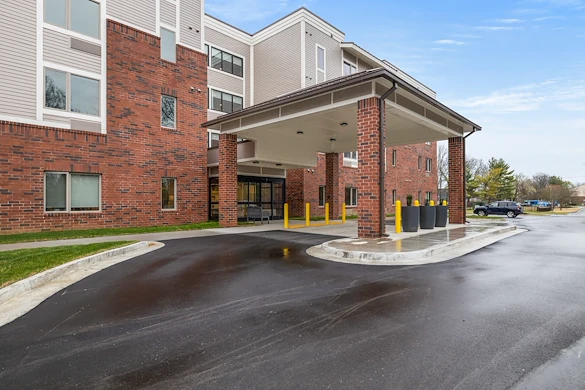
Independent living in Kentucky offers seniors a vibrant lifestyle designed to promote independence while providing a supportive community environment. Ideal for older adults who no longer wish to handle home maintenance or daily chores, independent living communities focus on convenience, comfort, and social engagement. These communities typically offer maintenance-free housing options—such as apartments, cottages, or townhomes—allowing residents to enjoy their retirement without the burden of upkeep.
Kentucky’s independent living options are especially appealing due to the state’s affordable cost of living, moderate climate, and abundance of retirement-friendly cities. Places like Lexington, Louisville, and Bowling Green provide active seniors with easy access to cultural events, healthcare facilities, parks, and recreational activities. The state’s four distinct seasons offer variety, but generally mild winters and warm summers allow residents to enjoy outdoor activities year-round.
Beyond the convenience of maintenance-free living, independent living communities in Kentucky often provide a wide range of amenities tailored to active seniors. These can include fitness centers, walking trails, scheduled social events, communal dining options, transportation services, and wellness programs. Such features help residents stay physically active, socially connected, and engaged with their interests, promoting overall well-being.
Kentucky’s welcoming communities also foster a strong sense of camaraderie among residents, making it easy for seniors to build friendships and stay involved. For families, independent living provides peace of mind knowing their loved ones live in a safe, supportive environment that encourages autonomy while offering opportunities for assistance if needed in the future.
Financially, Kentucky’s independent living costs tend to be lower than the national average, making it a cost-effective choice for many retirees. While independent living typically does not include medical care, its focus on lifestyle and convenience suits seniors who are relatively healthy and want to enjoy their retirement years with fewer responsibilities.
Overall, independent living in Kentucky combines affordability, comfort, and a rich lifestyle, making it an excellent option for seniors seeking a balance of independence and community in their golden years.
Top Independent Living Communities in Kentucky
View All Providers-
4.5Premium
Highgrove at Tates Creek
4251 Saron Dr Lexington, KY 40515
Independent LivingAssisted LivingMemory Care -
-
3.8Verified
Christian Towers
1511 Versailles Rd. Lexington, KY 40504
Active Adult LivingIndependent Living
Cost of Independent Living in Kentucky
Costs can vary significantly based on location and community features. For instance, independent living in urban areas like Louisville and Lexington may have higher costs due to increased demand and proximity to healthcare facilities and cultural amenities. Conversely, smaller cities and rural areas often offer more budget-friendly options. It's essential for families to research specific communities to understand the pricing structure and what is included.
Typically, the monthly fee covers housing, utilities, housekeeping, and access to community amenities such as fitness centers, dining options, and social activities. Some communities may offer additional services like transportation and wellness programs, which can influence the overall cost.
Several financial assistance options are available to help offset costs. The Kentucky Department for Aging and Independent Living (DAIL) provides programs that support seniors in maintaining independence, including transportation assistance and caregiver support. Additionally, local Area Agencies on Aging and Independent Living offer resources tailored to specific regions within the state. For those eligible, Medicaid waivers and Veterans benefits can also provide financial relief.
In summary, Kentucky's independent living communities offer a cost-effective and supportive environment for seniors. By considering location, amenities, and available financial assistance, families can find the right fit to ensure their loved ones enjoy a fulfilling and independent lifestyle.
What to Know About Independent Living in Kentucky
The best places to live in Kentucky for retirees often include Lexington, Louisville, Bowling Green, Owensboro, and Florence. Lexington is popular for its healthcare access and cultural amenities, while Louisville offers vibrant neighborhoods and major hospital systems.
Pros of independent living include maintenance-free housing, social opportunities, built-in amenities (such as dining and housekeeping), and enhanced safety features. It allows seniors to downsize while maintaining independence.
Cons of independent living include the lack of hands-on medical or personal care services. If health needs increase, residents may need to transition to assisted living or skilled nursing care. Monthly costs may also exceed traditional housing expenses in some cases.
There is no single “best” age to move into independent living, but many seniors transition between ages 65 and 75, when they are still active and able to enjoy community amenities. Moving earlier often allows residents to build friendships and take advantage of lifestyle benefits before health concerns arise.
Independent living communities typically require residents to be 55+ or 62+, depending on the community’s age restrictions. Residents must be able to live safely without daily assistance with activities of daily living (ADLs), such as bathing, dressing, and medication management. Independent living is designed for seniors who want a maintenance-free lifestyle without medical supervision.
Home Care in Kentucky
Non-medical home care in Kentucky plays a vital role in supporting seniors who wish to remain in the comfort of their own homes while receiving help with everyday activities. This type of care is designed for older adults who do not require medical treatment but benefit from regular assistance with personal and household tasks. It offers a compassionate alternative to institutional care, enabling seniors to age in place with dignity and independence.
Typical services provided through non-medical home care include personal care, companionship, household support, and transportation. Personal care involves assistance with tasks such as bathing, grooming, dressing, and mobility. Companionship services help reduce social isolation through conversation, games, and emotional support. Caregivers may also help with light housekeeping, laundry, grocery shopping, meal preparation, and errands. Transportation to medical appointments, social outings, and community events is another valuable service that helps seniors stay engaged and active.
In Kentucky, non-medical home care agencies are regulated by the Kentucky Division of Health Care. Agencies must meet specific state requirements to operate legally, including conducting caregiver background checks and maintaining individualized care plans for each client. Staff training and compliance with safety standards are also essential, ensuring that caregivers are prepared to deliver high-quality, respectful care. These regulations provide peace of mind for families selecting a home care provider for their loved ones.
The availability and quality of home care services may vary depending on the region. In more rural parts of Kentucky, families may find fewer agencies or longer wait times for care. However, state and local programs help bridge this gap. The Kentucky Homecare Program, operated by the Cabinet for Health and Family Services, offers support to adults aged 60 and older who qualify based on functional need. Services under this program may include personal care, meal delivery, and respite for family caregivers.
Non-medical home care is typically paid for privately, but financial assistance is available through Medicaid waivers, state-funded programs, and long-term care insurance for those who qualify. As families explore senior care in Kentucky, non-medical home care stands out as a flexible, personalized option that empowers older adults to live safely and independently at home.
Top Home Care in Kentucky
View All Providers-
4.1Verified
BrightStar Care of North Lexington
301 East Main St Lexington, KY 40507
Home Care (Non-Medical) -
4.9Verified
Senior Helpers - Lexington KY
3070 Harrodsburg Road Lexington, KY 40503
Home Care (Non-Medical) -
5.0Verified
Cornerstone Caregiving - Lexington
698 Perimeter Dr #101 Lexington, KY 40517
Home Care (Non-Medical)



Cost of Home Care Non-Medical in Kentucky
Several factors influence the overall cost of non-medical home care in Kentucky. The number of care hours required each week plays a significant role—more hours naturally lead to higher monthly expenses. The type of provider also affects pricing; agency-based care tends to cost more because it includes trained staff, insurance coverage, background checks, and backup support, offering families greater peace of mind. In contrast, hiring a private caregiver may be more affordable but often requires the family to manage oversight, scheduling, and liability. Additionally, the intensity of care—such as assistance with bathing, mobility, or specialized needs—can raise costs, especially in more urban areas where service demand and living expenses are higher.
Families in Kentucky may access financial help through Medicaid Home and Community-Based Services (HCBS) waivers, state-funded programs, and Veterans Aid & Attendance benefits, depending on eligibility. Long-term care insurance may also cover some in-home care costs.
Compared to many states, Kentucky provides relatively affordable non-medical home care, with median hourly rates generally a few dollars below national averages and monthly totals often lower as well. By understanding local pricing, service inclusions, and support resources, families can make informed decisions to help loved ones age in place with safety and dignity.
What to Know About Non Medical Home Care in Kentucky
Non-medical home care is generally paid out of pocket, through long-term care insurance, or via Medicaid waiver programs for eligible seniors.
Yes. Under certain Kentucky Medicaid programs, eligible seniors may participate in consumer-directed services that allow family caregivers to receive compensation.
A non-medical caregiver assists with daily activities such as bathing, dressing, meal preparation, medication reminders, and companionship.
Seniors age 60+ who have functional impairments and meet financial eligibility requirements may qualify for services through the Kentucky Homecare Program.
Long-Term Care/Skilled Nursing in Kentucky
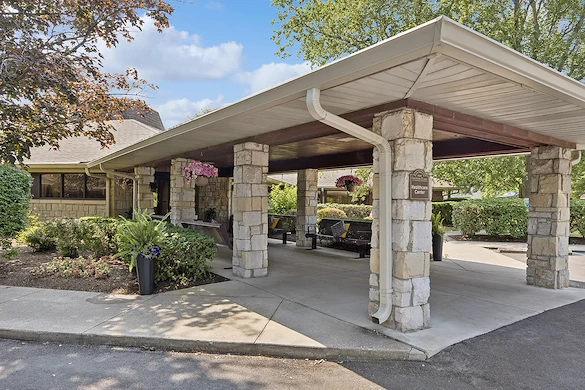
Long-term care in skilled nursing facilities in Kentucky provides comprehensive, around-the-clock support for seniors who need ongoing medical attention and assistance with daily living tasks. These facilities offer a high level of care for individuals recovering from illness, surgery, or managing chronic conditions. Residents typically receive services such as medication management, wound care, mobility assistance, and personal hygiene support. Many skilled nursing homes in Kentucky also offer rehabilitation services, including physical, occupational, and speech therapy, as well as specialized programs for post-surgical recovery and memory care for individuals with Alzheimer’s or other forms of dementia.
Kentucky regulates skilled nursing facilities through the Cabinet for Health and Family Services, Division of Health Care. All nursing homes must be licensed by the state and meet specific standards regarding staffing ratios, emergency preparedness, patient rights, and infection control. Facilities that accept Medicare or Medicaid must also comply with federal guidelines, including regular inspections and participation in the federal Five-Star Quality Rating System. These ratings, along with state inspection reports, are made publicly available to help families assess quality and performance.
Choosing the right skilled nursing facility in Kentucky involves considering both medical capabilities and quality-of-life factors. Families are encouraged to visit multiple facilities in person, talk to staff, and ask questions about staff training, turnover rates, and the availability of specialized care programs. It's also helpful to observe the cleanliness of the facility, the demeanor of caregivers, and the overall atmosphere. Kentucky’s Long-Term Care Ombudsman Program offers additional support by advocating for residents’ rights and helping families navigate the selection process.
Across the state, families can find skilled nursing options that range from small, community-based settings to larger medical campuses with advanced clinical resources. Whether a loved one needs short-term rehabilitation or long-term custodial care, Kentucky’s skilled nursing facilities strive to deliver compassionate, individualized services that promote comfort, safety, and dignity. For seniors with more complex needs, such as those requiring IV therapy, respiratory care, or secure memory care environments, many facilities provide specialized support within a structured and secure setting.
By combining licensed clinical care with oversight, rehabilitation, and social services, long-term skilled nursing facilities in Kentucky play a vital role in supporting aging adults and their families through all stages of recovery and care.
Top Long-Term Care/Skilled Nursing in Kentucky
View All Providers-
3.0Verified
Lexington Country Place Health Center
700 Mason Headley Road Lexington, KY 40504
Memory CareLong-Term Care / Skilled NursingSkilled RehabilitationRespite Care -
2.0
Pine Meadows Post Acute
1608 Hill Rise Drive Lexington, KY 40504
Long-Term Care / Skilled NursingSkilled Rehabilitation -
4.0
Homestead Post Acute
1608 Versailles Road Lexington, KY 40504
Long-Term Care / Skilled NursingSkilled Rehabilitation


Cost of Nursing Homes in Kentucky
Several factors influence these pricing patterns. Room type matters—a private room carries a premium for added privacy. Geographic location plays a role, with urban centers typically commanding higher rates than smaller cities. Facilities offering advanced medical care, rehabilitation services, or specialized units like memory care usually charge more, reflecting higher staffing requirements and specialized infrastructure.
Kentucky’s long-term care cost trends are aligned with national increases: annual census reports show approximately 12% year-over-year growth in facility rates, consistent with broader national trends of rising labor and operational costs.
Regarding financial assistance, many seniors rely on Medicaid, which covers nursing home care for those who qualify based on low income and limited assets. Medicare, however, typically covers only short-term care following a hospital stay, not long-term residency. Long-term care insurance or veterans’ benefits can also offset costs, depending on individual eligibility and policy terms.
In summary, skilled nursing care in Kentucky generally ranges from about $7,700 to $9,000+ per month, depending on room type and location, which is modestly below the national median. Families should consider local cost variations, facility care levels, and financial aid eligibility to make informed decisions that balance quality care, affordability, and long-term needs.
What to Know About Nursing Homes in Kentucky
Nursing home care in Kentucky averages $6,500–$7,500 per month, depending on room type and location.
Medicare only covers short-term skilled nursing care after a qualifying hospital stay.
Medicare does not pay for long-term custodial nursing home care.
Yes. Kentucky Medicaid covers nursing home care for eligible seniors who meet income and medical criteria.
Finding the Right Senior Care in Kentucky
Kentucky offers a wide range of senior living and long-term care options, including independent living, assisted living, in-home care, memory care, and skilled nursing facilities. With costs generally below the national average, Kentucky remains one of the more affordable states for senior care, making it an attractive option for retirees and families planning for long-term support. Programs such as Kentucky Medicaid waivers and the Kentucky Homecare Program provide financial assistance for eligible seniors who wish to age in place or receive care in community settings.
By understanding care levels, eligibility requirements, and local resources, families can confidently navigate senior living options throughout the state. Whether choosing assisted living in Lexington, in-home care in Louisville, or retirement communities in smaller cities, Kentucky offers affordable, regulated, and supportive environments designed to help older adults maintain independence, dignity, and quality of life.
Frequently Asked Questions About Senior Living in Kentucky
When touring a senior living facility in Kentucky, families should ask questions about monthly costs, care levels, staffing ratios, Medicaid acceptance, contract terms, and safety procedures.
The 80/20 rule in a 55+ community refers to a federal housing guideline stating that at least 80% of occupied units must have one resident age 55 or older. The remaining 20% of units may be occupied by younger residents, depending on the community’s policies.
Some of the best places for seniors to live in Kentucky include Lexington, Louisville, Bowling Green, Owensboro, and Florence. Lexington is known for strong healthcare access and cultural amenities, while Louisville offers vibrant neighborhoods and major medical centers. Smaller cities like Bowling Green and Owensboro often provide more affordable housing and a relaxed lifestyle. The best choice depends on budget, healthcare access, and personal preferences.
One of the biggest drawbacks of assisted living is cost, especially since Medicare does not cover room and board expenses. While assisted living provides support with daily activities, residents may face higher monthly fees as care needs increase. Additionally, individuals who require 24/7 skilled medical supervision may eventually need to transition to a nursing home.
Frequently Asked Questions About Senior Care in Kentucky
Kentucky offers various assistance programs, including Medicaid waivers, prescription assistance, transportation services, and home-based support programs for older adults.
Yes. Eligible seniors may participate in Medicaid consumer-directed programs that allow family members to receive compensation for caregiving services.
The Kentucky Homecare Program is designed to help older adults remain safely in their homes rather than move to a nursing facility. To qualify, individuals must generally:
- Be age 60 or older, Be a Kentucky resident, Have functional limitations that put them at risk of nursing home placement, Meet income and financial eligibility guidelines, Require assistance with activities of daily living (ADLs), such as bathing, dressing, meal preparation, or mobility.
Hourly senior care in Kentucky typically costs $22–$28 per hour, depending on care type and location.