
About Idaho
Idaho offers a welcoming and enriching environment that appeals to seniors and their families looking for a high quality of life. Known for its breathtaking natural beauty, from the rugged mountains to sparkling lakes and vast forests, Idaho provides older adults with countless opportunities to stay active and enjoy the outdoors. The state’s four distinct seasons bring a variety of experiences—from warm summers perfect for hiking and fishing to snowy winters that create a cozy atmosphere for community gatherings. This comfortable climate, combined with clean air and low population density, makes Idaho an inviting place for seniors seeking both peace and vitality.
Fast Facts
Senior Living & Care in Idaho
| #37 | most populated state in the U.S. |
| $4,900 | average monthly assisted living cost in Idaho |
| 360+ | assisted living communities and care providers across Idaho |
| 940K+ | adults age 65+ in Idaho |
One of the biggest draws for seniors considering retirement in Idaho is the affordable cost of living. Housing prices, everyday expenses, and senior care options, including assisted living and independent living communities, tend to be more reasonable than the national average. Cities like Boise, Coeur d’Alene, and Idaho Falls offer a range of senior living choices designed to fit diverse needs and budgets. This affordability allows seniors to enjoy a comfortable lifestyle without compromising on quality.
Healthcare in Idaho continues to improve, with well-regarded hospitals and specialized clinics providing comprehensive care tailored to older adults. Many communities feature senior centers and programs that promote social engagement, wellness, and independence, ensuring that seniors have access to the medical support and enriching activities they need. Whether it’s memory care, rehabilitation, or routine health management, Idaho’s healthcare facilities are equipped to support seniors’ varied needs.
Cultural life in Idaho also adds to its appeal. Seniors can enjoy farmers markets, art festivals, local theater productions, and community events that foster connection and joy. Whether choosing the tranquility of small towns or the amenities of urban centers, seniors find friendly neighborhoods where they can build lasting relationships and lead fulfilling lives.
With its blend of affordable living, excellent healthcare, vibrant communities, and stunning natural surroundings, Idaho stands out as an ideal place for seniors and families seeking trusted senior care and a high quality of life.
Top Cities for Senior Living and Care in Idaho







Assisted Living in Idaho
Assisted living in Idaho provides older adults with a supportive environment where they can maintain a sense of independence while receiving personalized assistance with everyday needs. Designed for seniors who may no longer be safe or comfortable living alone but do not require the intensive care provided in nursing homes, assisted living communities offer a balance of independence, safety, and social connection. In these settings, residents typically receive help with daily activities such as bathing, dressing, grooming, mobility, and medication management. Most communities also provide three meals a day, housekeeping, transportation services, and opportunities for social engagement, fitness, and wellness programs.
Idaho regulates assisted living through the Department of Health and Welfare, which oversees licensing and ensures that communities meet specific safety, staffing, and care standards. Assisted living facilities in the state are officially known as Residential Assisted Living Facilities (RALFs). Each facility must develop a Negotiated Service Agreement with every resident—a personalized care plan that outlines the individual’s specific needs and preferences. This individualized approach ensures residents receive the right level of support while maintaining as much autonomy as possible.
What makes assisted living in Idaho unique is the wide variety of community types and the focus on personal choice. From small, home-like settings in rural areas to larger, amenity-rich campuses in cities like Boise or Coeur d’Alene, families can choose a community that matches their loved one’s lifestyle and care needs. There are luxury communities that offer private suites, gourmet dining, and concierge services, as well as more affordable options that provide essential services in a warm, welcoming environment. For seniors with memory-related conditions such as Alzheimer’s or dementia, many assisted living communities in Idaho also offer secure memory care units with trained staff and structured programming.
To find the right fit, families should tour multiple communities, ask about staff training and resident-to-caregiver ratios, and look into inspection reports and online reviews. Idaho’s emphasis on personalized care, resident rights, and community variety makes it a strong option for families seeking quality assisted living for their loved ones. With the added benefit of scenic surroundings, a relatively low cost of living, and a reputation for compassionate care, Idaho continues to be an appealing destination for seniors and their families.
Top Assisted Living Communities in Idaho
View All Providers-
4.3Premium
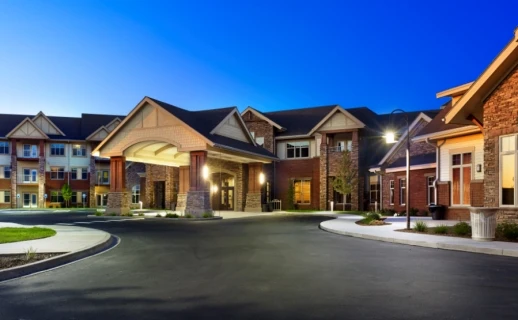
The Terraces of Boise Senior Living
5301 East Warm Springs Avenue Boise, ID 83716
Independent LivingAssisted LivingMemory CareLife Plan Community/CCRC -
-
Cost of Assisted Living in Idaho
Assisted living in Idaho tends to be more affordable than the national average, providing good value for families considering long-term care options. Based on Genworth’s 2024 Cost of Care Survey, Idaho’s annual median cost for assisted living communities is $55,200, compared to $70,800 nationally—about 22% lower statewide.
Costs vary by region within Idaho. In Boise, estimates hover around $4,180 per month, while Idaho Falls is slightly higher at about $4,463. Caldwell averages $3,863, and Lewiston comes in at about $4,128 per month. Overall, for Idaho, the average across locations is approximately $4,388 per month. These figures reflect differences in local demand, amenities, and living expenses.
Several factors influence pricing for assisted living in Idaho. Location plays a key role, with urban and resort towns generally costing more. Level of care—for example, memory care or higher support needs—can also raise monthly rates. Amenities and services, such as meal plans, fitness facilities, transportation, and social programming, further affect pricing. Larger or luxury-oriented communities understandably charge more than smaller home-style residences.
Recent trends show the cost of assisted living in Idaho is rising. For example, statewide pricing increased roughly 14% from 2022 to 2023, with projections suggesting further increases in 2024. This growth rate is higher than many other states, partly driven by inflation and labor costs.
To help families manage these expenses, several financial assistance options are available. Medicaid offers programs and waivers in Idaho that may help cover assisted living costs for qualifying seniors. Veterans’ benefits, such as Aid and Attendance, may also be used to offset care expenses for eligible veterans and their spouses. Additionally, long-term care insurance, when purchased before care needs arise, can provide valuable support depending on the policy terms.
What to Know About Assisted Living in Idaho
The average cost of assisted living in Idaho is approximately $3,800 to $4,800 per month, depending on location, amenities, and level of care required.
No. Medicare does not cover assisted living costs, including room and board. Medicare primarily covers medical services such as hospital stays, doctor visits, and short-term skilled nursing care.
Seniors typically qualify for assisted living if they need help with activities of daily living (ADLs) such as bathing, dressing, medication management, or mobility but do not require full-time skilled nursing care.
Seniors with limited financial resources may qualify for Medicaid programs, subsidized senior housing, or home and community-based services that help cover care costs.
Independent Living in Idaho
Independent living is an excellent option for older adults in Idaho who want to maintain their autonomy while enjoying a community-oriented, low-maintenance lifestyle. Designed for seniors who do not require daily medical care or assistance with activities of daily living, independent living communities offer private apartments or cottages alongside shared amenities and services that support active, fulfilling lives.
For many Idaho seniors, independent living provides the best of both worlds—freedom from home upkeep and access to enriching social and recreational opportunities. Most communities offer services such as housekeeping, meal plans, transportation, and organized events, allowing residents to spend more time doing what they love. Fitness centers, game rooms, walking trails, libraries, and wellness programs are common features, helping seniors stay physically active and socially engaged.
Idaho’s scenic beauty and slower pace of life make it an appealing destination for retirees seeking independent living options. With four distinct seasons, mild summers, and access to mountain views and freshwater lakes, the state offers natural surroundings that encourage outdoor recreation and relaxation. Popular retirement-friendly cities like Boise, Meridian, and Coeur d’Alene are known for their vibrant senior communities, access to top-rated healthcare, and amenities like local parks, cultural festivals, and farmers markets.
Compared to larger metropolitan areas in other states, Idaho’s overall cost of living is relatively moderate. Seniors can often find independent living communities that align with a wide range of budgets, from luxury retirement residences to more affordable, no-frills options. Idaho’s tax policies are also worth noting: Social Security benefits are not taxed, and property taxes tend to be lower than in many coastal states, helping retirees stretch their income.
For older adults who are healthy, independent, and want to downsize while gaining access to community support, independent living in Idaho offers comfort, security, and connection. It’s a lifestyle choice that balances personal freedom with convenience, especially appealing to those ready to embrace the next chapter of retirement on their own terms, surrounded by Idaho’s welcoming spirit and natural beauty.
Top Independent Living Communities in Idaho
View All Providers-
4.3Premium
The Terraces of Boise Senior Living
5301 East Warm Springs Avenue Boise, ID 83716
Independent LivingAssisted LivingMemory CareLife Plan Community/CCRC -
4.7Verified
Brookdale Boise Parkcenter Independent Living
767 E Parkcenter Blvd Boise, ID 83706
Independent Living -
4.3Verified
Arbor Village at Hillcrest
1093 S Hilton St Boise, ID 83705
Independent LivingAssisted LivingRespite Care
Cost of Independent Living in Idaho
Independent living in Idaho is a cost-effective option for seniors seeking a low-maintenance lifestyle with access to community amenities and social engagement. Statewide, the average monthly cost of independent living is around $1,880, which is slightly above the national average of $1,729. However, the overall affordability of Idaho’s housing and services still makes it an appealing choice for many older adults and their families.
Costs can vary significantly depending on the region or city. In more affordable areas like Idaho Falls, monthly rates for independent living average about $2,275. Boise, the state’s capital and largest city, tends to be moderately priced, with typical rates ranging between $2,331 and $2,688. Twin Falls falls close to the middle at approximately $2,483 per month. Cities such as Pocatello and Lewiston are slightly higher, with costs averaging around $2,734 and $2,872, respectively. The most expensive city for independent living in Idaho is Coeur d’Alene, where seniors can expect to pay around $3,039 per month.
The monthly cost of independent living typically includes a private apartment or cottage, general home maintenance, housekeeping, utilities, and scheduled transportation. Many communities also provide dining services with daily or weekly meal plans, fitness centers, activity calendars, and social events designed to help seniors stay active and engaged without the demands of managing a home.
Several factors influence the price of independent living in Idaho. Location is one of the biggest cost drivers—urban areas or desirable retirement destinations tend to be more expensive. Community features also play a role; newer developments with high-end amenities like pools, walking trails, and wellness programs generally come with higher price tags. The size and layout of the apartment—such as studios versus one- or two-bedroom units—also affects monthly rates.
While Medicare and Medicaid do not cover independent living, some seniors may be able to offset costs using long-term care insurance or veterans’ benefits, such as the VA Aid and Attendance program. Additionally, select communities may offer income-based or subsidized housing options, though these are limited and often have waitlists.
Overall, Idaho offers a compelling mix of affordability, quality of life, and access to supportive services. For seniors seeking independence with added convenience and connection, independent living communities across Idaho provide a range of options to fit different budgets and lifestyles.
What to Know About Independent Living in Idaho
Independent living communities in Idaho generally cost $2,500 to $3,500 per month, depending on housing type and services.
Residents must typically be 55+ or 62+ and able to live independently without regular personal care assistance.
A single person in Idaho may need roughly $2,500 to $3,500 per month for housing, food, healthcare, and daily expenses depending on lifestyle and location.
Living independently means managing everyday tasks such as cooking, personal hygiene, medication management, and transportation without routine assistance.
Home Care in Idaho
Non-medical home care in Idaho plays a vital role in helping seniors remain safely and comfortably in their own homes as they age. This type of care is focused on supporting older adults with daily living activities rather than providing medical treatment. It is an excellent option for individuals who do not require skilled nursing care but still need assistance to maintain their independence and quality of life.
Services offered through non-medical home care typically include personal care tasks such as bathing, grooming, dressing, and mobility support. Caregivers also assist with meal preparation, medication reminders, light housekeeping, and transportation to appointments or errands. Companionship is another important aspect of this care, as social interaction can have a positive impact on seniors’ emotional well-being and cognitive health. Whether it's a few hours a week or full-time assistance, care plans are tailored to meet each individual's unique needs and preferences.
In Idaho, home care agencies must be licensed by the Idaho Department of Health and Welfare to operate legally. This includes meeting specific requirements related to staff training, background checks, supervision, and documentation. Agencies are expected to follow regulations that ensure the safety and dignity of clients, and many also provide ongoing education for caregivers to maintain high standards of care. Families can verify licensing status through the state’s online resources, which helps them make informed decisions when choosing a provider.
Several factors impact the availability of non-medical home care in Idaho. Rural areas may have fewer home care agencies and caregivers, which can affect scheduling flexibility and wait times. On the other hand, urban regions like Boise, Idaho Falls, and Coeur d’Alene tend to offer more options and broader service coverage. Additionally, growing demand for in-home support services is shaping the market across the state, with more families opting for this personalized and flexible alternative to facility-based care.
For families seeking reliable, compassionate assistance, non-medical home care in Idaho offers a practical solution that promotes independence, safety, and peace of mind. With a range of services and qualified providers available, it’s a valuable resource for aging adults who want to continue living at home with support tailored to their needs.
Top Home Care in Idaho
View All Providers-
4.7Verified
BrightStar Care of Boise
4355 W Emerald Street #290 Boise, ID 83706
Home Care (Non-Medical) -
-


Cost of Home Care Non-Medical in Idaho
Non‑medical home care in Idaho supports seniors who want to remain in their homes by offering practical help with everyday tasks. The average hourly rate across the state is approximately $28.50 per hour, slightly above the national average, and in line with other states in the region.
Costs vary by city, reflecting local demand and caregiver availability. In Lewiston, rates are more affordable, averaging $24 per hour, while Twin Falls is slightly higher at $25 per hour. In Pocatello, typical rates are around $28 per hour, and Boise and Idaho Falls average about $30 per hour. Coeur d’Alene has the highest rate in the state, at approximately $30.50 per hour.
Assuming a moderate level of care—about 44 hours per week (roughly six hours per day)—monthly costs in Idaho would range from $4,000 to $5,400, depending on city and care intensity.
Several factors influence how much families pay for non‑medical home care. The number of care hours needed directly impacts the total cost—more hours mean higher monthly expenses. Hiring through an agency typically includes added benefits such as caregiver vetting, insurance, backup staff, and oversight, but also raises costs. Choosing a private caregiver may lower hourly rates, though it often requires more direct family oversight and offers fewer protections.
Idaho families have several financial assistance options to help offset these costs. The state’s Home and Community-Based Services (HCBS) Medicaid program (Med‑QUEST) provides funding for eligible seniors who meet income and medical care criteria. Programs under HCBS can cover services like personal care, homemaker assistance, case management, and respite care. Veterans’ Aid and Attendance benefits may also apply to qualified veterans or spouses, helping cover in-home care costs. For those with long-term care insurance, policies may reimburse non‑medical home care expenses if they meet plan requirements.
By understanding Idaho-specific rates, regional differences, and available aid programs, families can better plan and afford quality in-home support that encourages seniors to live safely and independently at home in Idaho.
What to Know About Non Medical Home Care in Idaho
Non-medical home care is typically paid through private funds, long-term care insurance, veterans benefits, or Medicaid programs for eligible seniors.
A non-medical caregiver assists with daily tasks such as bathing, dressing, meal preparation, light housekeeping, and companionship.
Non-medical home care provides help with everyday living activities, while home health care includes medical services such as nursing care, therapy, and wound care ordered by a physician.
The three main types of home care services include personal care, companion care, and skilled medical home health care.
Long-Term Care/Skilled Nursing in Idaho
Long-term care in skilled nursing facilities in Idaho provides comprehensive, around-the-clock medical support for older adults who have serious health conditions or require extended recovery. These facilities, also known as nursing homes, are equipped to serve seniors with chronic illnesses, limited mobility, cognitive impairments such as Alzheimer’s disease, or those recovering from surgery, stroke, or other complex medical events. Skilled nursing care in Idaho goes beyond basic assistance—it includes clinical services such as wound care, physical therapy, occupational therapy, speech therapy, medication management, and monitoring by licensed nurses and certified nursing assistants.
In Idaho, skilled nursing facilities are regulated by the Idaho Department of Health and Welfare. Facilities must meet both state and federal standards, especially if they accept Medicare or Medicaid. Licensing ensures that each nursing home follows protocols for resident safety, staffing qualifications, infection control, nutrition, and resident rights. Families researching options can consult the state’s Long-Term Care Ombudsman Program, which provides resources, complaint resolution, and oversight to protect residents’ well-being. Additionally, Medicare’s Nursing Home Compare tool allows families to view ratings for quality of care, staffing, and health inspections for licensed facilities across the state.
Skilled nursing homes in Idaho vary in size and services. Some are hospital-affiliated and focus on short-term rehabilitation, while others are standalone communities offering long-term custodial care. Many facilities provide specialized memory care units for residents with dementia or Alzheimer’s, with added security, structure, and staff trained in cognitive support. Others may offer hospice or palliative care for those in the final stages of life.
When evaluating skilled nursing options in Idaho, families should consider factors such as staff-to-resident ratios, the availability of therapy services, staff credentials, cleanliness, resident satisfaction, and quality of meals and activities. Touring multiple facilities, speaking with administrators and current residents, and reviewing state inspection reports can help families find a setting that aligns with their loved one’s medical and emotional needs.
Idaho’s skilled nursing communities offer a vital resource for families seeking expert, compassionate care for seniors who can no longer live independently. With a focus on both medical treatment and quality of life, these facilities serve as a safe, supportive environment where residents receive the attention and respect they deserve.
Top Long-Term Care/Skilled Nursing in Idaho
View All Providers-
2.0Verified
Idaho State Veterans Home - Boise
320 Collins Road Boise, ID 83702
Memory CareLong-Term Care / Skilled NursingSkilled Rehabilitation -
3.0Verified
Shaw Mountain Of Cascadia
909 Reserve Street Boise, ID 83712
Memory CareLong-Term Care / Skilled NursingSkilled Rehabilitation -
3.0Verified
Sunterra Springs Riverview
3550 West Americana Terrace Boise, ID 83706
Long-Term Care / Skilled NursingSkilled Rehabilitation

Cost of Nursing Homes in Idaho
Skilled nursing facilities in Idaho provide around‑the‑clock medical and personal care for seniors who need ongoing support after hospitalization, injury, or due to chronic health conditions. As of the latest data, the average cost for a semi-private room in Idaho is approximately $10,494 per month, while a private room averages about $11,072 per month. These figures reflect real costs across the state and are drawn from regional care cost reporting.
When compared to national averages, Idaho’s skilled nursing costs tend to be lower. Nationally, the median monthly cost for a semi-private room is around $9,555, and for a private room $10,965. Idaho’s rates, while slightly above the national median in some areas, remain competitive overall, offering value for families considering long-term care options.
Regional differences exist within Idaho. According to Genworth’s state-by-state breakdown, rates vary by city: daily costs range from about $332 per day in Boise to $420 per day in Idaho Falls for semi-private rooms, and similarly $350 to $441 per day for private rooms, depending on location. These variations can impact monthly totals and should be considered when comparing facilities.
Several factors influence pricing across facilities: level of medical care required, such as rehabilitation or memory support; facility reputation and amenities, including therapy services or private accommodations; and geographic demand, with urban or resort-area facilities sometimes charging more.
Families can find financial relief through several programs. Medicare may cover short-term skilled care after a qualifying hospital stay, though long-term stays are generally not covered. Medicaid, known in Idaho as the Idaho Health Plan, offers nursing facility coverage for eligible seniors who meet income, asset, and medical level-of-care criteria.
Some individuals also qualify for home-and-community-based (HCBS) waivers, such as Idaho’s Aged & Disabled Waiver, which help seniors remain in community settings or transition back from nursing homes.
While skilled nursing care in Idaho can cost between roughly $10,000–$11,000 per month, state and federal programs—including Medicaid and HCBS waivers—may help eligible families manage these expenses. When evaluating care, it’s valuable to consider region-specific costs, the services included, and eligibility pathways to financial assistance.
What to Know About Nursing Homes in Idaho
Nursing home care in Idaho typically costs $7,500 to $9,000 per month, depending on the facility and room type.
Medicare only covers short-term skilled nursing care following a hospital stay and does not pay for long-term custodial care.
Yes. Idaho Medicaid may cover nursing home care for eligible seniors who meet financial and medical requirements.
Monthly nursing home costs generally range from $7,500 to $9,000 depending on services and facility location.
Finding the Right Senior Care in Idaho
Navigating senior living and care options in Idaho can feel overwhelming, but having the right information makes all the difference. Whether you're researching assisted living, exploring independent living communities, comparing home care services, or planning for long-term skilled nursing, Idaho offers a wide range of choices designed to support comfort, safety, and quality of life.
From affordable care options to luxury communities, rural towns to major metro hubs, families can find solutions that meet both personal needs and financial goals. With strong healthcare systems, state oversight, and numerous financial assistance programs, Idaho continues to be a trusted place for seniors seeking support and connection.
As you begin the search, remember that every senior’s needs are unique—use this guide as a starting point, and explore local providers, community reviews, and available resources to make the most informed decision possible.
Below are answers to the most common questions families ask when researching senior living and senior care in Idaho.
Frequently Asked Questions About Senior Living in Idaho
Yes. Idaho offers beautiful scenery, outdoor recreation, and a growing network of healthcare services, making it an appealing place for retirees.
Seniors in Idaho who cannot afford assisted living may qualify for Medicaid long-term care programs, subsidized senior housing, or home and community-based services (HCBS) that provide support while allowing them to remain at home. Some seniors may also receive care through nursing homes covered by Medicaid, local Area Agencies on Aging programs, or nonprofit senior housing communities that offer income-based rent. These programs help ensure older adults can access essential care even if they have limited financial resources.
Low income for seniors in Idaho generally depends on federal poverty guidelines and Medicaid eligibility requirements. For many assistance programs, seniors may be considered low income if their annual income falls near or below about 100–138% of the federal poverty level, although specific thresholds vary by program. Eligibility for Medicaid long-term care or housing assistance may also consider assets, household size, and medical needs.
No, Medicare does not pay for assisted living in Idaho. Medicare covers medically necessary services such as hospital stays, doctor visits, and short-term skilled nursing care after a qualifying hospital stay, but it does not cover housing, meals, or custodial care provided in assisted living communities. Most seniors pay for assisted living through private savings, long-term care insurance, veterans benefits, or Medicaid waiver programs if they qualify.
Frequently Asked Questions About Senior Care in Idaho
Certain Medicaid programs and consumer-directed care services allow eligible seniors to select family members as paid caregivers.
Home care services in Idaho typically cost $24 to $30 per hour, depending on the provider and level of care.
Low-income thresholds vary depending on program eligibility but are generally based on federal poverty guidelines and Medicaid income limits.