About California
California offers an exceptional quality of life for seniors and their families, combining a mild Mediterranean climate with a diverse and vibrant lifestyle. Known for its beautiful coastline, scenic mountains, and sunny weather, California appeals to older adults seeking an active and fulfilling retirement. The state boasts numerous senior-friendly communities, ranging from peaceful beach towns to lively urban neighborhoods, providing a variety of living options that cater to different preferences and needs. Whether it’s enjoying outdoor activities like hiking in the Sierra Nevada or relaxing at local parks, seniors in California have abundant opportunities to stay healthy and engaged.
Fast Facts
Senior Living & Care in California
| #1 | most populated state in the U.S. |
| $5,900 | average monthly assisted living cost in California |
| 10,000+ | assisted living communities and care providers across California |
| 6M+ | Californians age 65+ |
Healthcare options in California are among the best in the nation, with top-ranked hospitals and specialized senior care facilities spread throughout the state. This includes a wide array of assisted living, independent living, and skilled nursing communities designed to support aging adults with personalized care. California’s extensive healthcare infrastructure and access to cutting-edge medical services provide peace of mind for seniors and their families, ensuring that quality care is never far away.
While the cost of living in California is generally higher than the national average, many areas offer affordable senior living alternatives, especially in inland cities and smaller towns. Financial assistance programs and resources are also available to help manage costs related to senior care. The state’s commitment to senior well-being is reflected in numerous programs aimed at enhancing independence, social engagement, and safety.
Cultural richness is another key attraction, with California’s diverse population contributing to a vibrant arts scene, world-class dining, and numerous festivals celebrating a variety of cultures. Seniors can enjoy museums, theaters, and community centers that offer lifelong learning and social opportunities, fostering a sense of belonging and connection.
For families researching senior care in California, the state offers a balanced blend of natural beauty, quality healthcare, and active community living. With a focus on comfort, dignity, and support, California continues to be a top choice for older adults looking to thrive in their golden years. Keywords such as “senior living in California,” “assisted living California,” and “senior care options California” reflect the diverse opportunities available to meet every family’s unique needs.
Top Cities for Senior Living and Care in California










Assisted Living in California
Assisted living in California provides a compassionate and supportive environment for seniors who need help with daily activities but wish to maintain their independence and quality of life. These communities offer personalized assistance with essential tasks such as bathing, dressing, medication management, meal preparation, and transportation. Beyond basic care, assisted living facilities promote social engagement through planned activities, group events, and communal spaces designed to foster connection and mental well-being.
California regulates assisted living communities under the Residential Care Facilities for the Elderly (RCFE) licensing program, administered by the California Department of Social Services. This program sets strict standards for health, safety, staffing, and resident rights to ensure high-quality care across the state. Facilities must maintain adequate staff-to-resident ratios, provide ongoing staff training, and follow guidelines for medication administration and emergency preparedness. These regulations help protect residents and give families confidence in the quality of care offered.
The variety of assisted living options in California reflects the diverse needs and preferences of seniors. Luxury communities often feature upscale amenities such as gourmet dining, fitness centers, spa services, and beautifully landscaped grounds. Budget-friendly facilities provide essential care services in comfortable, home-like settings without sacrificing safety or personalized attention. Many communities also offer specialized memory care units tailored for residents with Alzheimer’s disease or other dementias, providing secure environments and specialized programming to support cognitive health
When choosing an assisted living community in California, families should consider factors like licensing status, staff qualifications, care services offered, and the overall atmosphere of the community. Visiting facilities, meeting staff and residents, and reviewing state inspection reports are critical steps in evaluating quality. Understanding financial arrangements, including costs and contract terms, is essential to ensure a good fit for the resident’s care needs and budget. With a wide range of licensed options available, California offers families numerous choices for compassionate, quality assisted living care.
Top Assisted Living Communities in California
View All Providers-
4.3Premium
The Oaks of Pasadena
2954 E Del Mar Blvd Pasadena, CA 91107
Independent LivingAssisted Living -
4.8Verified
Sakura Gardens of Los Angeles
325 South Boyle Ave Los Angeles, CA 90033
Independent LivingAssisted LivingMemory CareRespite Care -
4.5Verified
Kingsley Manor
1055 N Kingsley Dr Los Angeles, CA 90029
Independent LivingAssisted Living

Cost of Assisted Living in California
Several factors contribute to cost variations in California. Urban centers and coastal regions often have higher living expenses, which are reflected in the pricing of assisted living services. Additionally, the range of services offered—such as gourmet dining, fitness programs, and specialized care—can also impact the overall cost. The level of care required by the resident, including assistance with daily activities and medical needs, further influences pricing.
To assist with these expenses, California offers several financial aid programs. The Medi-Cal Assisted Living Waiver (ALW) allows eligible seniors to receive long-term care services in an assisted living setting, provided they meet specific medical and financial criteria. Additionally, veterans may qualify for benefits through the U.S. Department of Veterans Affairs, which can help offset costs. It's important to note that while Medicaid may cover certain aspects of assisted living, coverage can vary, and not all facilities accept Medicaid.
When evaluating assisted living options, families should consider not only the cost but also the quality of care, facility amenities, and the specific needs of their loved ones. Visiting potential communities, reviewing state inspection reports, and consulting with financial advisors can provide valuable insights to make an informed decision.
What to Know About Assisted Living in California
Assisted living in California typically costs several thousand dollars per month, but pricing can vary widely based on location, level of care, amenities, and room type. In general, larger metro areas and coastal regions tend to be more expensive than inland cities and smaller towns.
Costs may increase if you need additional support such as medication management, help with bathing or dressing, memory care services, or specialized wellness programs. The best way to estimate pricing is to compare communities in your preferred city and request personalized quotes based on care needs.
California may help cover some assisted living costs for eligible individuals through state Medicaid (Medi-Cal) programs. While Medi-Cal doesn’t typically pay for “room and board” in assisted living the same way private pay does, certain programs can help cover care-related services for qualifying seniors.
Because coverage rules and availability can depend on factors like income, care needs, and location, it’s helpful to explore your options and confirm what programs are available in your area.
Seniors in California may qualify for assisted living if they need help with daily activities but do not require full-time skilled nursing care. Assisted living is often a good fit for older adults who need support with things like:
-
Bathing, dressing, or grooming
-
Medication reminders or management
-
Mobility and fall prevention support
-
Meals, housekeeping, and laundry
-
Transportation and social activities
Many communities also do an assessment to determine whether the person’s medical needs, cognitive health, and safety risks can be supported in an assisted living environment.
One of the biggest drawbacks of assisted living is the cost, especially in high-demand areas of California where monthly rates can be significant. Another common challenge is that assisted living isn’t always a permanent solution—if a resident’s care needs increase over time, they may eventually need a higher level of support such as memory care or skilled nursing.
That said, assisted living can still be a great option for many families because it provides daily support, safety, and community without the structure of a medical facility.
Independent Living in California
Independent living in California offers older adults a vibrant, maintenance-free lifestyle designed to support autonomy, community connection, and a high quality of life. Unlike assisted living or nursing care, independent living is best suited for seniors who are generally healthy and do not require help with daily activities. These communities provide private residences—often in the form of apartments, cottages, or townhomes—along with access to shared amenities and services that promote convenience and social engagement. Residents typically enjoy housekeeping, laundry services, meal plans, fitness centers, scheduled transportation, and activity calendars filled with events, outings, and interest groups.
California is a particularly attractive place for independent living due to its diverse geography, mild climate, and abundance of retirement-friendly communities. Coastal cities like San Diego and Santa Barbara offer a temperate year-round climate, while inland locations such as Sacramento, Palm Springs, and Fresno combine affordability with recreational access to nature. From oceanfront towns to desert retreats and mountain getaways, California’s range of landscapes provides something for every lifestyle preference. Seniors in independent living communities can take full advantage of California’s many outdoor activities—walking along the beach, hiking scenic trails, or participating in golf and tennis—while also enjoying rich cultural opportunities in museums, theaters, and local festivals.
Additionally, many California cities have been recognized for their senior-friendly infrastructure and access to healthcare. Places like Irvine, Walnut Creek, and Roseville offer excellent public transportation options, low crime rates, and proximity to top-tier medical centers such as those in the UC Health system and Stanford Health Care. These amenities make it easier for residents to maintain their independence while enjoying peace of mind.
With such a wide range of options—from luxury resort-style communities to more budget-conscious independent living apartments—California is well-suited for active seniors seeking an enriching retirement experience. Families exploring senior living for loved ones will find that independent living in California offers the perfect balance of freedom, safety, and social engagement, helping seniors thrive during their retirement years.
Top Independent Living Communities in California
View All Providers-
4.3Premium
The Oaks of Pasadena
2954 E Del Mar Blvd Pasadena, CA 91107
Independent LivingAssisted Living -
4.2
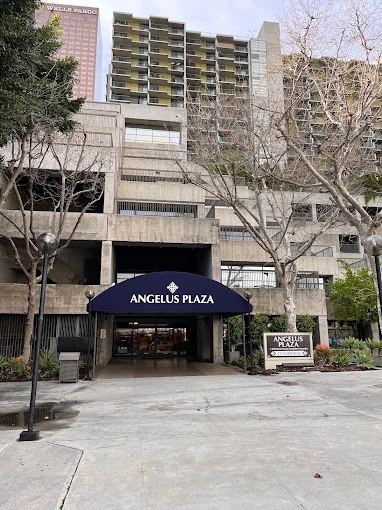
Angelus Plaza
255 S. Hill Street Los Angeles, CA 90012-3502
Independent LivingLow Income / Affordable -

Cost of Independent Living in California
Most independent living fees cover essential services such as utilities, housekeeping, property maintenance, and social activities, while additional services like pet care, parking, or personalized health support are often extra. Many providers bundle these services into an all-inclusive monthly rate, but it's important for families to clarify which amenities are included to avoid unexpected costs.
Since Medicare and Medicaid don't cover independent living charges, seniors and their families typically finance care through personal savings, retirement income, or the sale of a primary residence. However, certain aid programs can help offset costs. VA benefits—like Aid & Attendance—may assist eligible veterans and their spouses with some living expenses. For lower-income seniors, local housing assistance programs may provide rent subsidies or vouchers, though availability is limited. Long-term care insurance policies sometimes include supplemental benefits for independent living, depending on their terms and coverage.
Choosing a cost-effective independent living solution in California depends on balancing budget with lifestyle needs. Inland or smaller urban areas offer relief from high coastal prices, while coastal regions provide richer amenity offerings and proximity to healthcare. Families should carefully compare monthly rate structures, amenities, and service inclusions and consult financial planners to align living choices with long-term financial and care goals.
What to Know About Independent Living in California
Independent living in California is a senior living option designed for older adults who want to maintain an independent lifestyle while enjoying the convenience of a supportive community. These communities typically offer private apartments or cottages, along with helpful services like meals, housekeeping, maintenance, and social activities.
Independent living is ideal for seniors who don’t need hands-on personal care but want a setting that provides comfort, connection, and fewer day-to-day responsibilities.
The average cost of independent living in California varies depending on the city, community type, apartment size, and amenities included. Independent living is often more affordable than assisted living because it typically does not include personal care services, but pricing can still range widely—especially in coastal and metro areas.
Many communities offer different pricing structures, so it’s helpful to compare options and ask what’s included (like meals, utilities, transportation, or activities) before making a decision.
Independent living is generally best for seniors who are able to live on their own without daily assistance for personal care. Most residents choose independent living because they want:
-
A maintenance-free lifestyle
-
A safer, senior-friendly living environment
-
Built-in social opportunities and community events
-
Optional services like dining, transportation, or wellness programs
Eligibility may vary slightly by community, but independent living is typically for older adults who do not require regular help with bathing, dressing, medication management, or mobility.
Medicare typically does not pay for independent living because independent living is considered a housing and lifestyle choice—not a medical service. Since independent living does not usually include skilled nursing care or medical treatment, it isn’t covered under traditional Medicare benefits.
However, Medicare may still help cover eligible healthcare services a resident receives separately, such as doctor visits, hospital care, prescriptions, or outpatient therapies, depending on their plan.
Home Care in California
Non‑medical home care in California supports seniors who wish to remain safe and independent at home by providing vital daily support without medical procedures. These services include personal care—such as assistance with bathing, dressing, mobility, and meal preparation—as well as household help like light cleaning, laundry, and errands. Companionship and social interaction are also key components, helping reduce isolation and support emotional well‑being. California requires home care agencies to register with the Department of Social Services and adhere to caregiver background checks, training in elder abuse prevention, and complaint investigation protocols—ensuring clients receive trusted, licensed care and families have regulatory oversight when searching for reputable providers.
Average costs for non‑medical home care in California are generally higher than the national average—typically ranging from $28 to $35 per hour in urban areas such as Los Angeles and San Francisco. In smaller cities and rural counties, rates can dip into the low $20s. These figures often exceed the U.S. average of approximately $25 per hour. Families choosing live‑in care or extended shifts may see discounted daily or weekly packages, but at a higher total expense than few‑hour packages. Part of the cost variation reflects regional labor rates, local cost of living, the number of required care hours, and whether the care is delivered through an agency (with overhead and administrative support) or a private caregiver (often offering lower direct costs).
Financial assistance options are available to help manage these costs. California’s In‑Home Supportive Services (IHSS) program enables qualifying seniors—based on income and functional need—to receive state‑funded care in their homes. Veterans and surviving spouses may also access in‑home care benefits such as Aid and Attendance through the VA. For those with long‑term care insurance, some policy plans cover non‑medical home care. Additionally, Medicaid (Medi‑Cal in California) may assist with personal care services when individuals are medically eligible. Despite these supports, seniors often use a mix of IHSS, VA benefits, private pay, and insurance to afford the hours they need. By evaluating these options, families can find a balanced approach that helps seniors maintain independence while minimizing out‑of‑pocket spending.
Top Home Care in California
View All Providers-
4.7Verified
Home Instead - Los Angeles, CA
3660 Wilshire Blvd, Ste 311 Los Angeles, CA 90010
Home Care (Non-Medical) -
5.0Verified
Senior Helpers - Monterey Park
925 S. Atlantic Blvd Suite 205-A Monterey Park, CA 91754
Home Care (Non-Medical) -
Not yet ratedVerified
Right at Home - Alhambra
2550 W Main St, Ste 207A Alhambra, CA 91801
Home Care (Non-Medical)



Cost of Home Care Non-Medical in California
The total cost for families depends greatly on the number of care hours needed; for example, a few hours a day for companionship and light housekeeping is far more affordable than 24/7 live‑in care.
Families also face a choice between agency‑based care and hiring privately. Agency care typically carries a 15–30% premium to cover background screening, training, and insurance, while hiring privately can reduce hourly costs but requires families to manage payroll, conduct background checks, and ensure continuity of care. Moreover, higher levels of care—such as dementia support, mobility assistance, or wound care—often demand caregivers with specialized training, which can increase hourly rates by 20–50% above basic companionship levels.
To help manage these costs, California offers several financial assistance options. The In‑Home Supportive Services (IHSS) program provides paid caregiver support for low‑income seniors and disabled individuals, letting qualified recipients direct their own care hours. Veterans and surviving spouses may access VA Aid & Attendance or Housebound benefits for home care support, and many long‑term care insurance policies partially cover in‑home non‑medical assistance. Additionally, Medi‑Cal, California’s Medicaid program, may fund personal care services for those who meet specific income and medical requirements.
By carefully evaluating regional rates, estimating realistic care-hour needs, comparing agency versus private hiring, and tapping into financial resources like IHSS, VA benefits, insurance, and Medi‑Cal, families can create a strategic plan that balances high-quality, compassionate at-home support with budget considerations—helping ensure seniors can maintain independence and dignity in their familiar surroundings.
What to Know About Non Medical Home Care in California
Non-medical home care in California is most often paid for through private pay, meaning families cover costs out of pocket. Some seniors may also use long-term care insurance (if they have a qualifying policy) to help cover caregiver services.
In certain situations, financial assistance may be available through state or community-based programs that help eligible individuals receive support at home. Since coverage depends on income, care needs, and program availability, it’s a good idea to explore options early and compare local providers.
In California, some family members may be able to get paid as a caregiver through programs like IHSS (In-Home Supportive Services) if the person receiving care qualifies. Pay can vary based on factors like county rates, approved hours, and the level of care needed.
Because caregiver pay and eligibility rules can differ by location and situation, families typically need to complete an application and assessment to determine what services and compensation may be available.
In many cases, IHSS is connected to Medi-Cal eligibility, meaning individuals often need to qualify for Medi-Cal to receive IHSS support. However, eligibility can be affected by multiple factors, including income, functional need, and program requirements.
If you’re unsure whether you qualify, it’s still worth exploring—many families are surprised to learn they may be eligible even if they haven’t used public benefits before.
Starting a non-medical home care business in California typically involves building a plan for how you’ll provide safe, reliable support for seniors in their homes. While the exact steps depend on your business model and location, most owners start by:
-
Choosing your services (companionship, meal prep, errands, light housekeeping, etc.)
-
Registering your business and setting up insurance
-
Creating caregiver hiring, training, and scheduling processes
-
Establishing pricing, service agreements, and client intake procedures
-
Building a marketing plan to reach families searching for home care in your area
Because California has specific rules and requirements that may apply, it’s important to research state and local licensing expectations and ensure your business is set up compliantly before accepting clients.
Long-Term Care/Skilled Nursing in California
Long-term care in skilled nursing facilities in California offers comprehensive, around-the-clock support for seniors who require ongoing medical supervision, rehabilitation, or specialized services. These facilities are designed for individuals recovering from hospitalization, living with chronic illnesses, or managing progressive conditions such as Alzheimer’s disease. Skilled nursing facilities (SNFs) in California provide a wide range of services, including wound care, IV therapy, physical, occupational, and speech therapy, medication administration, and assistance with daily living activities. Many facilities also offer memory care programs tailored to the needs of residents with dementia or cognitive impairments, along with post-surgical recovery support that helps patients regain strength and mobility in a structured and medically supervised setting.
California’s skilled nursing facilities are licensed and regulated by the California Department of Public Health (CDPH) and must meet federal standards enforced by the Centers for Medicare & Medicaid Services (CMS). Each facility undergoes routine inspections and quality assessments to ensure compliance with safety, staffing, cleanliness, and care delivery standards. The state’s Licensing and Certification Program requires that SNFs employ licensed nurses 24 hours a day and maintain a physician-directed care plan for every resident. Additionally, California mandates staffing ratios that exceed federal minimums, including more direct care hours per resident per day, which can lead to more attentive and responsive care.
Families seeking skilled nursing care in California can evaluate facilities by reviewing state inspection reports, comparing CMS Five-Star Quality Ratings, and touring communities to observe resident engagement, cleanliness, staff demeanor, and overall atmosphere. California's Health Facilities Consumer Information System is also a valuable resource that provides detailed reports on inspection results, complaints, and penalties for each licensed facility.
With its strong regulatory oversight, diverse care services, and wide range of facility types—from large medical centers to smaller, home-like nursing homes—California offers families many options when choosing long-term care for a loved one. Whether the priority is short-term rehabilitation after surgery or ongoing care for a complex medical condition, skilled nursing facilities in California can provide the clinical support, safety, and quality of life that many seniors need in their later years. Carefully evaluating care options, understanding resident needs, and staying engaged in care planning are key to finding the right fit in California’s skilled nursing landscape.
Top Long-Term Care/Skilled Nursing in California
View All Providers-
5.0Verified
Alden Terrace Convalescent Hospital
1240 S Hoover St Los Angeles, CA 90006
Long-Term Care / Skilled NursingSkilled Rehabilitation -
3.0
Costa Del Sol Healthcare
1016 S. Record St. Los Angeles, CA 90023
Long-Term Care / Skilled NursingSkilled Rehabilitation -
2.0Verified
Alexandria Care Center
1515 N Alexandria Ave. Los Angeles, CA 90027
Long-Term Care / Skilled NursingSkilled Rehabilitation



Cost of Nursing Homes in California
Several factors influence these costs, including the level of medical care required (for example, specialized memory care or post-operative recovery), facility reputation, and available amenities. Homes providing advanced services—like full physical therapy suites, pet therapy, gourmet meal programs, or concierge support—typically command premium pricing. Facilities with higher staffing ratios and modern infrastructure also tend to be more expensive.
Families evaluating skilled nursing options in California should carefully compare private versus semi-private accommodations, factoring in both room privacy and cost differences, which can range from 10–15%. Beyond room type, additional charges for specialized wound care, IV therapy, or tailored rehabilitation can further shift overall expenses. When weighing options, it's important to assess not just monthly prices but also the quality of care, including licensure, staffing standards, and state inspection records.
To help manage costs, residents can tap into financial assistance through Medicare (covering up to 100% for the first 20 days and partial payment through day 100 of skilled care), California’s Medi-Cal program for low-income individuals, and long-term care insurance policies. Veterans and their spouses may also qualify for VA Aid & Attendance benefits, while private pay residents might explore Medicaid waivers or state-funded long-term care support. In summary, skilled nursing care in California is markedly higher than national averages, influenced by location, intensity of clinical services, and luxury offerings, making financial planning and entitlement evaluation critical for families seeking long-term care solutions.
What to Know About Nursing Homes in California
The average cost of a nursing home in California is typically one of the highest levels of senior care, often ranging from several thousand to well over $10,000 per month, depending on the city and the level of support needed.
Nursing homes (also called skilled nursing facilities) provide 24/7 medical care, which is why the cost is higher than options like assisted living or home care. Pricing can also differ based on whether someone needs a semi-private room or private room, and how complex their care needs are.
Medicare may cover short-term skilled nursing care in California, but it typically does not cover long-term nursing home stays. Coverage is usually limited to situations where someone needs skilled care after a hospital stay, such as rehabilitation services or nursing support during recovery.
If someone needs ongoing, long-term care in a nursing home, families often explore other payment options like private pay, long-term care insurance, or Medi-Cal (if eligible).
If someone has limited income and assets, they may be able to get help paying for nursing home care through Medi-Cal (California’s Medicaid program)—as long as they meet eligibility requirements. Medi-Cal is one of the most common ways long-term nursing home care is funded when private pay isn’t possible.
Because qualification rules can be complex (and planning matters), many families benefit from support navigating coverage, financial eligibility, and facility options.
The “70-40-5 rule” is a guideline some people reference when comparing long-term care options and costs—often tied to how seniors may transition between care settings over time (such as starting with support at home, then assisted living, then skilled nursing).
That said, it’s not an official California program or law, and how care progresses is highly personal. The right choice depends on factors like health needs, safety, family support, and budget, which can shift over time.
Finding the Right Senior Care in California
Navigating senior living and care options in California can feel overwhelming, but having reliable, easy-to-understand information helps simplify the journey. Whether you’re comparing assisted living communities, exploring independent living, considering in-home support, or preparing for long-term skilled nursing, the state offers a wide range of choices designed to support comfort, safety, and independence.
From coastal cities to mountain towns, luxury communities to budget-friendly options, families can find environments that match a loved one’s lifestyle, health needs, and financial goals. California’s strong healthcare systems, extensive senior support programs, and statewide commitment to safety and quality make it a trusted place for older adults seeking meaningful connection and personalized care.
As you begin your search, remember that every senior’s situation is unique. Use this guide as a helpful starting point, take time to explore local providers, read community reviews, and ask questions that help you feel confident in your decisions. The right care option should offer peace of mind—for both the senior and the family supporting them.
Below are answers to the most common questions families ask when researching senior living and senior care in California.
Frequently Asked Questions About Senior Living in California
The average cost of a senior living facility in California depends on the type of care and the region. In general, California senior living costs can range from lower monthly rates for independent living to much higher costs for assisted living, memory care, or nursing homes.
Pricing is influenced by several factors, including city, apartment size, level of care needed, and amenities. The best way to find accurate pricing is to compare senior living options in your specific area and request care-based estimates.
The best place for seniors to live in California depends on what matters most—such as cost of living, access to healthcare, climate, safety, and proximity to family. Some seniors prefer coastal areas for weather and lifestyle, while others choose inland cities for more affordable housing and care options.
The “best” place is often the location that provides the right balance of comfort, support, and budget based on your needs.
To qualify for senior housing in California, most communities require that a resident meets an age requirement (often 55+ or 62+) and can live safely in the housing environment. Some senior housing options—especially income-based housing—may also require financial qualification based on income limits and household size.
Eligibility can vary by housing type, so it’s helpful to confirm whether the community is independent living, assisted living, subsidized housing, or supportive housing.
The cheapest way for a senior to live often depends on their health needs and support system. For many families, lower-cost options may include:
-
Aging in place at home with minimal paid support
-
Sharing housing with family or a roommate
-
Exploring income-based senior housing (when available)
-
Using community services like meal programs and transportation support
However, the least expensive option isn’t always the safest long-term solution—especially if daily care needs increase.
Frequently Asked Questions About Senior Care in California
There isn’t one single statewide program universally called the “$3,000 senior assistance program,” so eligibility depends on what specific benefit someone is referring to. Many California assistance programs are based on factors like age, income, disability status, and care needs, and amounts can vary by county or program.
If someone is searching this phrase online, it may relate to a local assistance program, benefit payment, or short-term relief fund, so it’s best to confirm the exact program name and requirements before applying.
California may help pay for elderly care through programs such as Medi-Cal, along with other community-based services that support seniors who qualify. While the state may not cover all costs (like room and board in many settings), certain programs can help with care services, in-home support, and medical needs depending on eligibility.
Because benefits vary based on income and care requirements, many families explore multiple options to find the best support plan.
Senior day care in California (often called adult day care or adult day health programs) typically costs hundreds of dollars per week, depending on the location and the level of services provided. Some programs are more social and activity-based, while others offer more structured health support and supervision.
Costs can vary by region, hours of attendance, and whether meals, transportation, and personal care assistance are included.
California offers a wide range of services to support seniors and caregivers, including both public and private options. Depending on need and eligibility, services may include:
-
Non-medical home care (companionship, housekeeping, errands)
-
In-home support services for daily living assistance
-
Assisted living and memory care communities
-
Skilled nursing facilities for 24/7 medical care
-
Adult day programs for daytime supervision and activities
-
Meal support and nutrition programs
-
Transportation and mobility services
-
Caregiver resources and respite support
The right services depend on a senior’s health, safety needs, budget, and preferred living situation.